Emotional Intelligence Series
Chronic emotional labor drains even the most well-intentioned leaders — and here we talk about what to do about it.
In theory, the modern leader is emotionally fluent. They read the room, listen deeply, coach with compassion, and create psychologically safe environments. Emotional intelligence, once dismissed as “soft,” is now the hardest skill to fake — and one of the top predictors of leadership success.
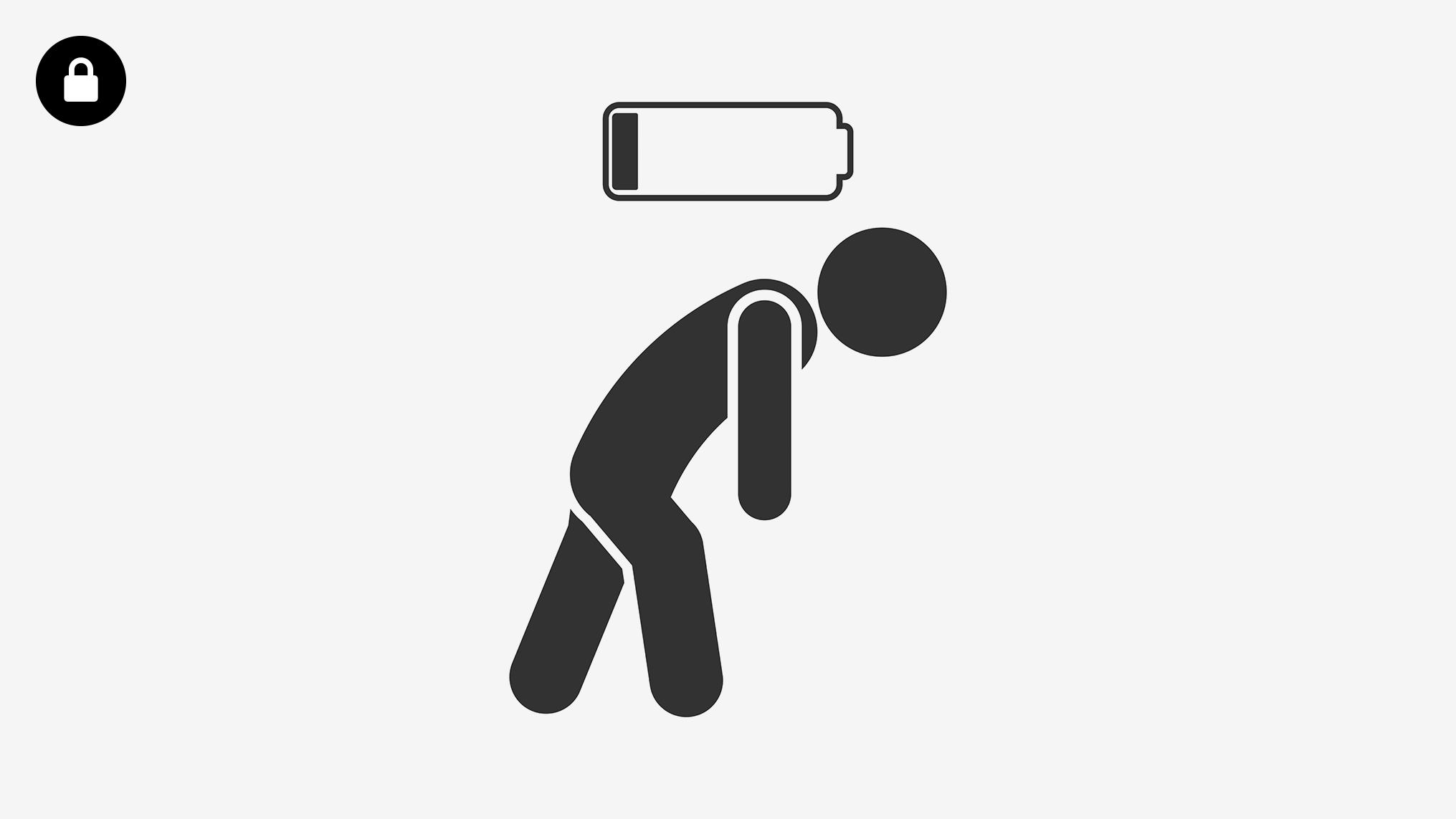
But behind the polished empathy and human-first rhetoric, something quieter — and darker — is happening. Many leaders are running on emotional fumes. They’re not burned out in the traditional sense of exhaustion or cynicism. They’re something subtler: emotionally disconnected.
They can still perform empathy, but they can’t always feel it. They nod, encourage, and validate — yet inside, there’s a strange hollowness. A numbness.
It’s not a lack of care. It’s too much caring for too long without recovery.
Welcome to the world of empathy fatigue — the silent epidemic in the modern C-suite.
The Hidden Cost of Emotional Labor
Every leader performs emotional labor — the act of managing one’s own emotions while regulating others’. You can’t tell your team, “I’m furious right now,” or “I’m terrified this project might fail.” You have to absorb the chaos and project composure.
Over time, this constant self-regulation takes a toll. Harvard Business Review reports that leaders who regularly deal with high emotional demands — layoffs, conflict resolution, employee crises — show elevated cortisol levels, poorer sleep, and decreased empathy over time.
Empathy is like a muscle: use it too much without rest, and it fatigues.
And when that happens, emotional detachment becomes a survival mechanism. Leaders don’t stop caring — they simply stop feeling as a way to cope.
The Emotional Bandwidth Problem
The modern C-suite runs on bandwidth — not just cognitive, but emotional. Between leading hybrid teams, managing performance, coaching, and navigating crises, leaders today face what psychologists call emotional overload.
In a recent MIT Sloan study, 68% of executives reported feeling “emotionally depleted” at least once a week. For founders and senior operators, that number is likely higher.
Empathy, by its nature, demands energy. Every emotionally charged meeting, every difficult conversation, every one-on-one where someone cries — it all draws from the same emotional account.
Without intentional recovery, that account goes into overdraft.
The symptoms of empathy fatigue are subtle:
- A growing impatience with other people’s emotions.
- A craving for isolation after meetings.
- Cynicism disguised as pragmatism (“I just need people to do their jobs”).
- A sense of emotional dullness — not sadness, just… flatness.
It’s not that leaders stop caring; they stop connecting.
How Empathy Turns into Exhaustion
At its core, empathy fatigue is the cost of sustained emotional attunement without replenishment.
Psychologists distinguish between emotional empathy (feeling others’ emotions) and cognitive empathy (understanding them). Emotionally intelligent leaders often operate in both modes — they feel and think their way through relationships.
But when stress compounds, the brain starts protecting itself. Neural imaging studies show that under chronic stress, the insula and anterior cingulate cortex — regions responsible for emotional resonance — decrease activity. Meanwhile, the prefrontal cortex (responsible for analytical thinking) takes over.
Translation: under pressure, leaders default to logic. Empathy becomes cognitive, not emotional. They understand pain but can’t feel it.
This is why many executives describe a sense of “operating from the neck up.” They can process everything intellectually, but they’ve lost the emotional aliveness that makes leadership human.
Compassion Fatigue vs. Empathy Fatigue
There’s an important distinction here.
Compassion fatigue — well-known among healthcare workers and first responders — is emotional depletion from exposure to others’ suffering. Empathy fatigue, however, extends to anyone in a relationally demanding role.
Leaders experience it when they constantly absorb the stress of others: anxious teams, personal confessions, layoffs, culture crises, or the emotional turbulence of fast-growth organizations.
The more emotionally intelligent a leader is, the more at risk they are. Their sensitivity, the very thing that makes them effective, becomes a liability when unguarded.
This is empathy’s paradox: the deeper your capacity to connect, the greater your vulnerability to depletion.
The Subtle Drift Toward Disconnection
When empathy fatigue sets in, leaders often don’t notice right away. The decline is gradual — like emotional color fading over time.
At first, it looks like professionalism: keeping boundaries, staying calm. Then it becomes detachment. They stop asking about people’s weekends. They avoid emotional conversations. They delegate “people stuff” to HR.
Over time, their leadership becomes transactional. They lose their intuitive sense of the team’s emotional temperature. They may even begin resenting the very people they once cared deeply about.
At the organizational level, this disconnection is contagious. Culture takes cues from emotional tone at the top. When leaders become numb, so do their teams. Energy flattens. Engagement dips. The workplace becomes efficient but lifeless — a kind of corporate low-grade depression.
Why Empathy Fatigue Is a Leadership Crisis
Empathy isn’t a soft skill; it’s an alignment mechanism. It helps leaders translate human emotion into organizational intelligence. When empathy erodes, bad decisions multiply — not out of malice, but misattunement.
Research from UC Berkeley found that emotionally fatigued leaders are more likely to misread intent, overreact to perceived criticism, and under-communicate during crises. They also score lower on creativity and problem-solving, since empathy activates the brain regions tied to perspective-taking and insight.
In short: emotional disconnection doesn’t just make leaders feel worse — it makes them lead worse.
The Hidden Shame of the Empathetic Executive
The cruel irony? Emotionally disconnected leaders often feel guilty for it.
They remember when they cared deeply — when they had energy for one-on-ones, when they could sit with someone’s pain without wanting to escape. But now, faced with unending demands, they feel internally tapped out.
So they fake it. They perform empathy — the right words, the nods, the soft tone — but it’s hollow. Inside, they’re counting the minutes until the meeting ends.
This creates a private shame spiral: “What’s wrong with me? Why can’t I feel like I used to?”
The answer is simple but uncomfortable: you can’t pour from an emotional reservoir that’s bone-dry.
Rebuilding Emotional Capacity
The antidote to empathy fatigue isn’t detachment. It’s disciplined recovery. Emotional energy, like physical stamina, requires training and rest.
Here are five practices for rebuilding emotional capacity:
No. 1 — Differentiate Empathy from Responsibility
You can care without carrying. Healthy empathy means acknowledging another’s emotion without making it yours to fix.
No. 2 — Schedule Emotional Recovery as Seriously as Meetings
Block time for solitude, silence, or activities that replenish rather than stimulate. Leaders often confuse downtime with laziness — but reflection is what keeps compassion sustainable.
No. 3 — Cultivate Cognitive Empathy in Stressful Periods
When emotional empathy wanes, shift into perspective-taking: What might this person be feeling? What are they trying to communicate? It keeps connection alive without draining emotion.
No. 4 — Debrief Emotional Events with Peers
Doctors, therapists, and soldiers do this instinctively. Leaders rarely do. Create safe spaces to process tough moments with other executives — not to vent, but to metabolize emotion.
No. 5 — Re-anchor to Meaning, Not Performance
Fatigue often signals disconnection from purpose. Revisit why the work matters. As Viktor Frankl wrote, “Those who have a ‘why’ to live can bear almost any ‘how.’”
The Return of Emotional Presence
Recovery doesn’t mean becoming a Zen monk or walling off your feelings. It means reclaiming emotional presence — the ability to be fully attuned without being overwhelmed.
When leaders restore this balance, something shifts. Their empathy becomes quieter, more grounded. They stop trying to save everyone and start seeing everyone.
Emotional presence isn’t loud. It’s steady. It communicates: I’m here. I’m listening. I’m human too.
That steadiness is contagious. It re-oxygenates teams, revives trust, and rebuilds the invisible tissue of connection that makes organizations thrive.
The Paradox of Modern Leadership
The 20th century prized rational leadership: efficiency, control, logic. The 21st century swung to emotional leadership: empathy, vulnerability, authenticity.
Now we’re entering the synthesis stage — where the best leaders will integrate both. They’ll pair empathy with boundaries, compassion with clarity, humanity with discipline.
Because emotional intelligence isn’t about feeling everything. It’s about knowing what to feel, when, and how deeply.
That’s not detachment. That’s mastery.
The Rehumanization of the Leader
Here’s the ultimate irony: the cure for empathy fatigue is not less humanity — it’s shared humanity.
When leaders drop the pretense of endless compassion and admit, “I’m tired too,” something powerful happens. It dissolves the loneliness of leadership. It turns empathy from a one-way transaction into a mutual understanding.
Teams don’t need perfect emotional leaders. They need present ones.
The real work isn’t to feel for everyone — it’s to stay connected enough to feel with them, without losing yourself in the process.
That’s not weakness. That’s emotional maturity.
The Quiet Revolution Ahead
As AI automates logic and systems, what remains distinctly human is emotional intelligence. But the leaders who will thrive aren’t the ones who emote endlessly; they’re the ones who manage emotion wisely.
Empathy fatigue, in that sense, isn’t a failure — it’s a signal. A reminder that care without boundaries collapses into depletion.
The next evolution of leadership won’t glorify emotional labor. It will normalize emotional recovery. It will treat self-regulation not as indulgence, but as infrastructure.
Because no company can stay emotionally healthy if its leaders are emotionally empty.
And maybe the bravest sentence a leader can say in 2025 is also the simplest:
“I care deeply — but I need to recover, too.”
That’s not disconnection. That’s sustainability. That’s the rise of the emotionally balanced leader.
If You Liked This Article, You May Also Like …
- The Emotionally Intelligent Manager
- Can Narcissistic Leaders Be Empathetic Leaders? Exploring the Paradox of Leadership and Personality
- Using Emotional Intelligence to Recognize and Overcome Cognitive Biases: A Path to Objectivity