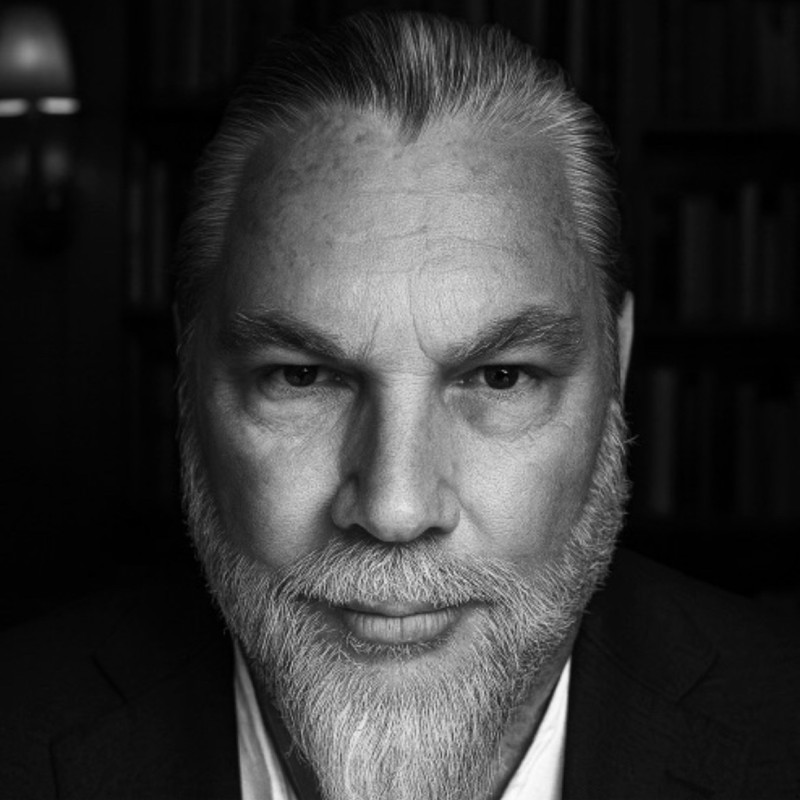
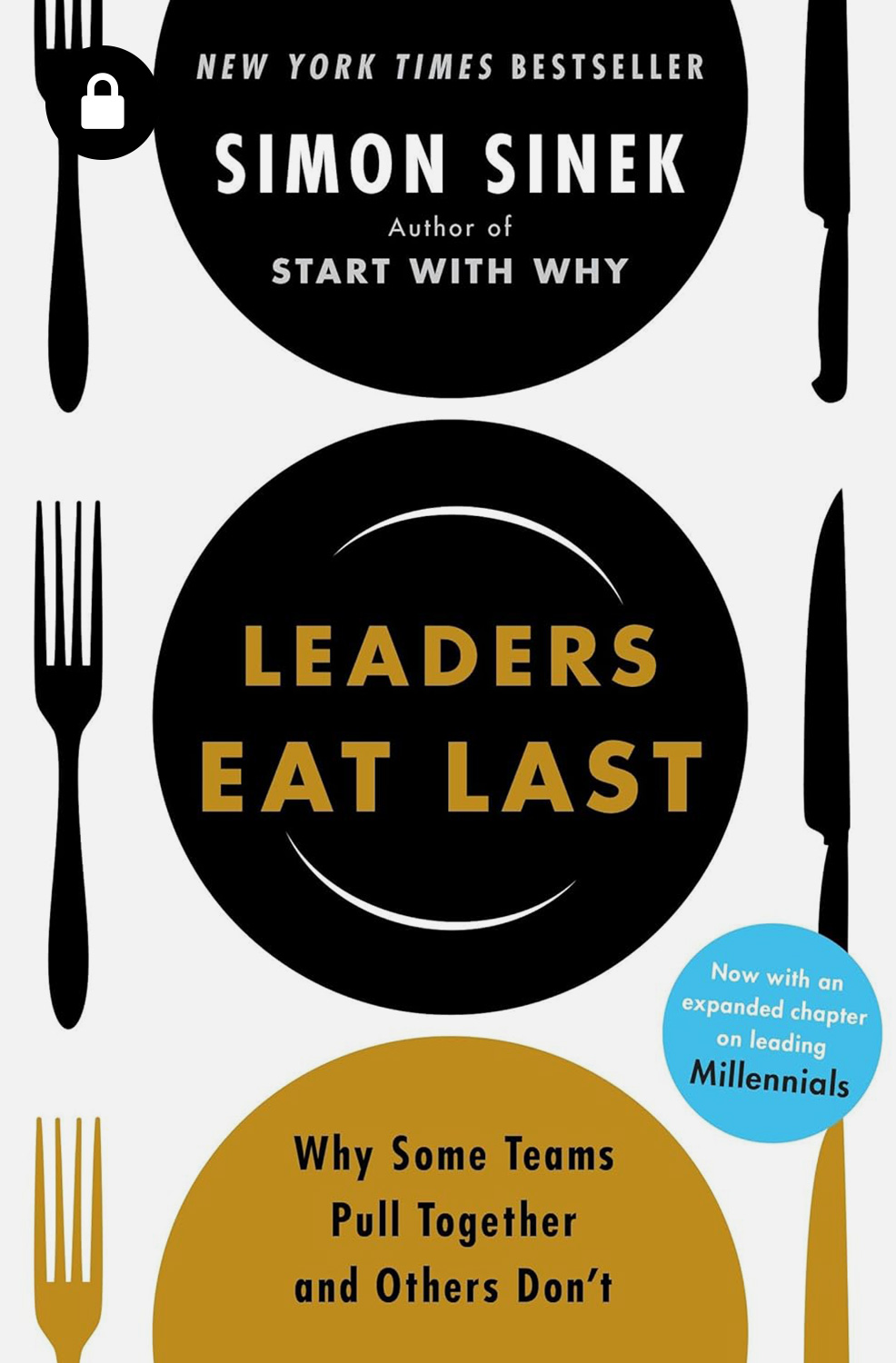
By Simon Sinek
Simon Sinek begins Leaders Eat Last with a story drawn from the U.S. Marine Corps. In the Marines, the most senior leaders eat last. Junior members go first, and officers wait until everyone else has eaten. The idea is symbolic but powerful: leadership means putting the needs of others before yourself.
Sinek’s thesis is simple: great leaders sacrifice for their teams, creating a culture of trust and safety where people can thrive. In such environments, teams pull together, innovation flourishes, and organizations endure. In toxic cultures, by contrast, fear, mistrust, and selfishness erode cooperation.
This book isn’t just about leadership in the military. Sinek draws on biology, anthropology, and business case studies to explain why humans need trust and belonging, and how leaders can create — or destroy — those conditions.
Part No. 1 — Our Biology of Leadership
The Chemistry of Human Behavior
Sinek argues that leadership isn’t just about personality or charisma — it’s grounded in human biology. He introduces four key brain chemicals that shape our behaviors in groups:
Endorphins. Mask pain and push us through hard work.
Dopamine. Rewards us for achieving goals. The “feel-good” hit of checking off a task or closing a deal.
Serotonin. The leadership chemical. It reinforces pride, recognition, and status when we feel valued.
Oxytocin. The bonding chemical. Released through trust, empathy, and acts of generosity.
These chemicals explain why humans are wired for cooperation. But there’s a catch: in the wrong environment, dopamine and endorphins can dominate, creating short-term wins but long-term instability. Serotonin and oxytocin, by contrast, sustain trust and connection — vital for cohesive teams.
The Circle of Safety
At the heart of Sinek’s argument is the idea of the Circle of Safety. In prehistoric tribes, humans survived by banding together against external threats. Inside the circle, trust and cooperation reigned. Outside were dangers: predators, rivals, scarcity.
Modern organizations, Sinek argues, function the same way. A strong Circle of Safety means employees feel secure from internal dangers like layoffs, backstabbing, or toxic politics. With that safety, they can face external threats (competition, market shifts) as a united team. But when leaders create fear inside the organization, people turn on each other instead of the outside challenge.
Part No. 2 — Leadership as Service
Why Leaders Must Sacrifice
Leadership, Sinek insists, is not about perks or rank. It’s about responsibility. A true leader puts the well-being of their people first — even at personal cost.
He contrasts leaders who lay off workers to please Wall Street with those who protect employees even in tough times. In one story, a CEO chose furloughs (shared sacrifice) instead of layoffs during a downturn. Employees rallied, morale soared, and the company emerged stronger.
The message: when leaders prioritize people, people repay them with loyalty, creativity, and effort.
Authority vs. Leadership
Having authority doesn’t make someone a leader. A manager can issue orders, but leadership is earned through trust. Sinek writes: “Leadership is not a rank or a position. It is a choice.”
True leaders earn followership not through fear or incentives, but by creating conditions where others feel valued and supported.
Empathy as the Core of Leadership
Empathy is a recurring theme. Sinek argues that leaders must “see people, not numbers.” In organizations obsessed with metrics, humans become expendable. But people aren’t inspired by being treated as cogs — they’re inspired by leaders who care.
He tells the story of Bob Chapman, CEO of Barry-Wehmiller, who built a culture around “Truly Human Leadership.” Chapman focused on treating employees like family, and the company flourished.
Part No. 3 — When Leadership Fails
The Dangers of Self-Interest
Sinek critiques modern capitalism for rewarding short-term gains and shareholder value at the expense of people. Leaders who focus only on stock prices or personal bonuses erode trust and breed cynicism.
This creates what he calls a “moral hazard” — leaders reap rewards while pushing risk and cost onto employees. Over time, trust breaks down, turnover rises, and organizations crumble.
Case Studies of Failure
He cites real-world examples:
- Wall Street’s 2008 collapse. Fueled by selfishness, greed, and leaders who prioritized profits over ethics.
- Big corporations cutting jobs for quarterly results. Creating fear and disengagement.
- Toxic work cultures. Where employees spend more energy protecting themselves than serving customers.
In these environments, the Circle of Safety disappears, and individuals prioritize survival over cooperation.
Part No. 4 — Building Cultures That Last
Trust and Belonging
The strongest organizations foster a sense of belonging. People want to feel they’re part of something bigger, that their contributions matter, and that their leaders have their backs.
Leaders can foster this by:
- Listening actively.
- Recognizing contributions.
- Celebrating progress, not just results.
- Sharing credit generously.
Sinek emphasizes that belonging isn’t about perks like free snacks — it’s about emotional security.
Scale and Its Challenges
As organizations grow, maintaining trust becomes harder. Small teams foster natural connections; large bureaucracies can feel impersonal. Leaders must deliberately expand the Circle of Safety to include everyone, not just the inner circle.
He argues that scaling trust requires rituals, storytelling, and symbols that reinforce shared values.
Courageous Leadership
It takes courage to lead with sacrifice, especially in a world that often rewards selfishness. Sinek highlights leaders who stood against pressure, choosing ethics and humanity over expedience.
One memorable story: Captain William Swenson, a U.S. Army officer awarded the Medal of Honor, was caught on video risking his life to rescue wounded soldiers—kissing one on the forehead before returning to battle. This, Sinek argues, is leadership in its purest form: service.
Part No. 5 — Lessons for Today’s Leaders
The Infinite Game
Sinek argues that organizations should adopt an infinite mindset: focusing not on winning the quarter but on building organizations that last. Leaders should measure success not just in profits, but in the resilience and well-being of their people.
Balancing Chemicals
Leaders should design cultures that encourage oxytocin and serotonin—trust, connection, recognition — while avoiding overreliance on dopamine (quick wins) and endorphins (short-term grit). The goal: sustainable performance rooted in relationships.
Leadership in Practice
Sinek offers practical guidance:
- Spend time with your people. Walk the floor. Listen.
- Protect employees during downturns. Shared sacrifice builds loyalty.
- Recognize achievements publicly.
- Make decisions through the lens of service: “Will this help my people thrive?”
Key Takeaways
Leadership is service. The best leaders sacrifice comfort and perks for their people.
Trust is built by creating safety. A Circle of Safety allows teams to face external threats together.
Biology matters. Leaders must design cultures that foster connection (oxytocin, serotonin) instead of fear and selfishness.
Short-termism destroys trust. Prioritizing shareholder value over people corrodes loyalty.
Belonging fuels performance. People will give their all when they feel cared for and part of a bigger purpose.
Why This Book Resonates
Leaders Eat Last isn’t just theory — it’s a manifesto. Sinek challenges leaders to rethink their role: not as commanders, but as caretakers. His message resonates because it taps into something deeply human: our need for trust, connection, and safety.
At a time when burnout, disengagement, and toxic workplaces are rampant, Sinek’s vision offers hope. Organizations that embrace these principles can unleash extraordinary energy. Those that don’t will lose their people and their purpose.
Conclusion
Simon Sinek’s Leaders Eat Last is ultimately about a choice. Leaders can prioritize themselves, chasing bonuses and status while their organizations fracture. Or they can eat last, putting their people first, and reap the long-term rewards of loyalty, trust, and success.
As he writes: “Leaders are the ones willing to sacrifice themselves so that others may gain. It is not about rank or authority. It is about choice.”
The leaders who choose sacrifice over selfishness are the ones who inspire teams to pull together, endure hardship, and achieve greatness. That’s what it means to eat last.
If You Liked This Article, You May Also Like …
- Mastering Change: Top Change Management Approaches for Your Professional Life
- Why Great Leaders Don’t Have to Be Loud Leaders
- The Most Dangerous Kinds of Leadership Styles: Navigating the Minefield