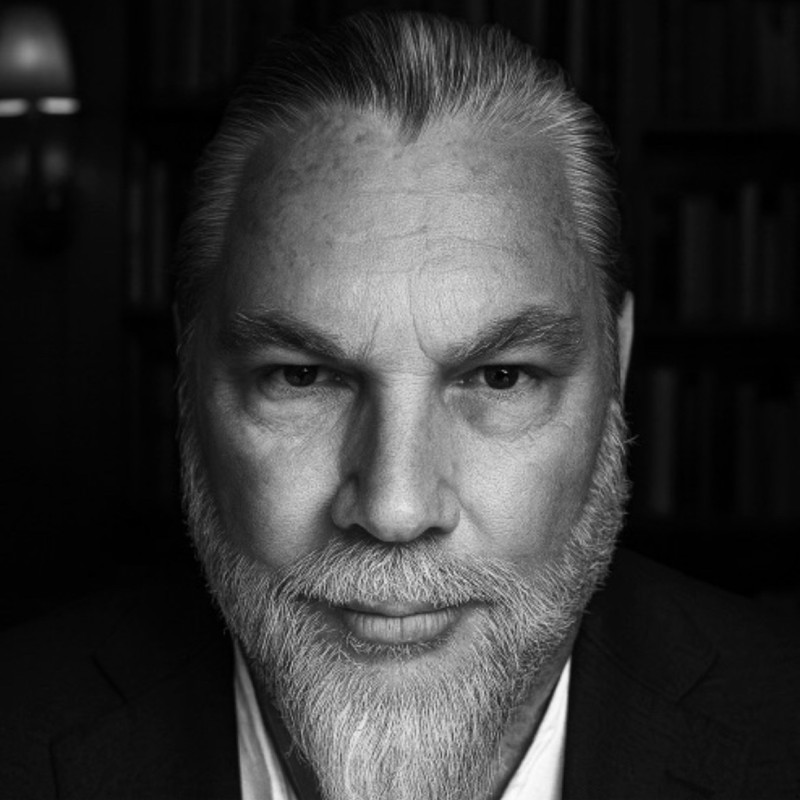
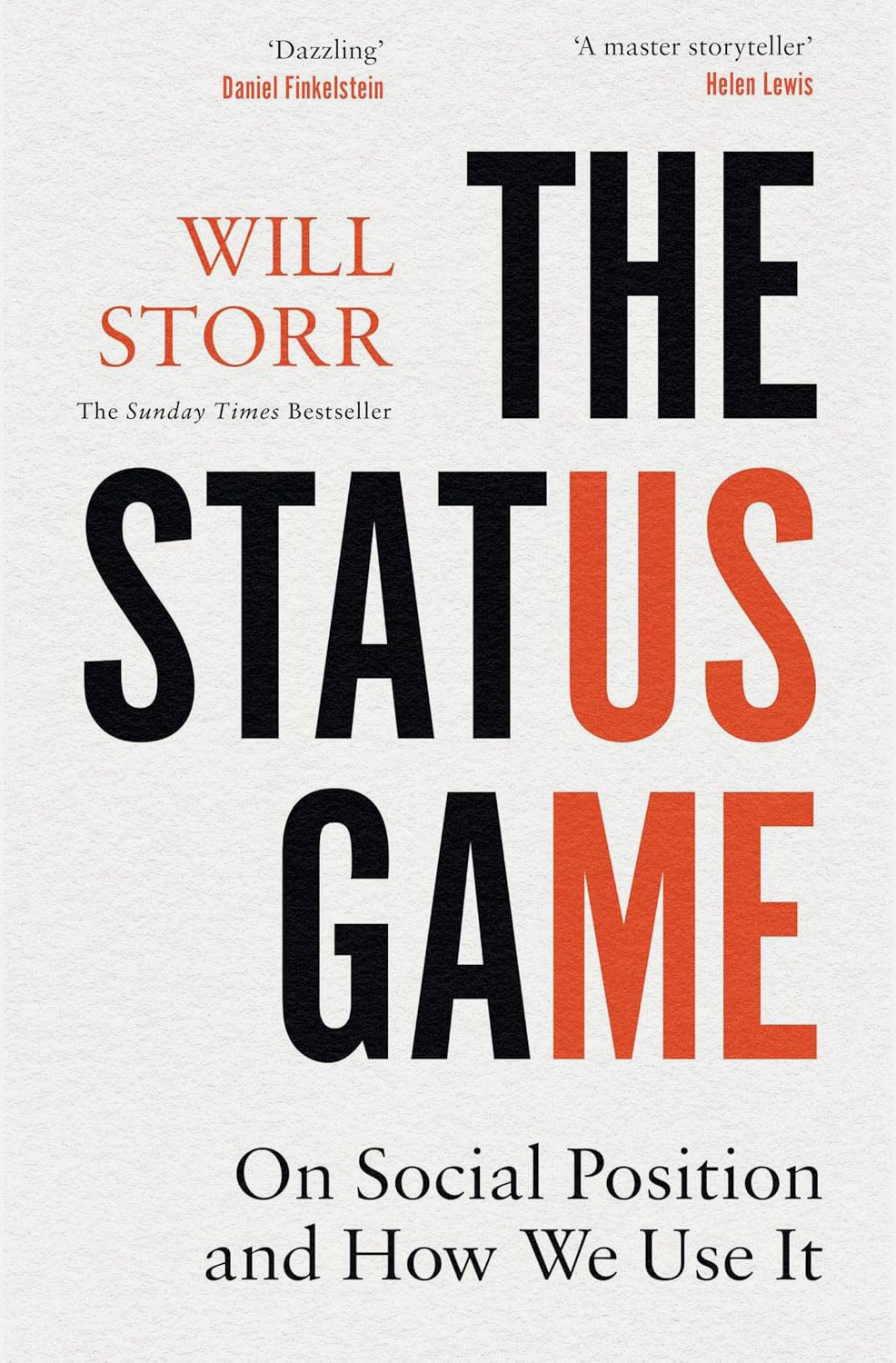
By Will Storr
The catch is that status is complicated. It isn’t one thing. It’s contested, socially defined, and deeply emotional. People chase it in different ways, within different “games,” using different moral frameworks. Once you understand the games, you can see why people become tribal, why cultures polarize, why leaders derail, why groups fracture, and why even “rational” conversations can suddenly become irrational.
BUY THIS BOOK
The catch is that status is complicated. It isn’t one thing. It’s contested, socially defined, and deeply emotional. People chase it in different ways, within different “games,” using different moral frameworks. Once you understand the games, you can see why people become tribal, why cultures polarize, why leaders derail, why groups fracture, and why even “rational” conversations can suddenly become irrational.
The Big Idea: Status is the Hidden Engine
Storr builds the case that status is a primary driver behind:
- Group formation and tribalism (we bond around shared status systems)
- Moral certainty and outrage (virtue often functions as a status signal)
- Ambition and competition (dominance, success, prestige)
- Anxiety and depression (status threats hit the nervous system)
- Social media behavior (attention as status currency)
- Politics and ideology (competing moral status games)
Status, in this framework, is not merely about “being on top.” It’s about being securely valued — and avoiding the social pain of being ignored, mocked, excluded, or shamed.
How Status Works: Your Brain Is A Reputation Machine
A major theme is that we run a constant, mostly unconscious calculation: Where do I stand here? Am I respected? Am I safe? Am I included?
When that sense of standing rises, we feel energized, confident, expansive. When it drops, we feel threatened, defensive, angry, ashamed, or withdrawn. Storr emphasizes that these are not “character flaws.” They’re predictable responses from an evolved system designed to keep us inside the tribe.
This is why status conflict is rarely calm. It’s not simply disagreement. To the brain, it can feel like existential danger.
Two Primary Routes To Status: Dominance And Prestige
Storr leans on well-established social science that distinguishes two broad pathways people use to gain status:
No. 1 — Dominance
Dominance status is extracted through intimidation, coercion, force, or fear. It’s the “I win, you lose” route. Dominant figures often control the room, punish dissent, demand submission, and use aggression — sometimes overt, sometimes subtle.
Dominance can be effective short-term. It produces fast compliance. But it tends to generate resentment, fear, and rebellion underneath. Dominance-based hierarchies are brittle because they rely on continued threat.
No. 2 — Prestige
Prestige status is granted voluntarily because the person is admired — skilled, wise, generous, competent, or valuable. Prestige-based leaders attract followers who want to learn from them, emulate them, or be associated with them.
Prestige tends to create more stable social structures because it’s rooted in respect rather than fear. But it can also invite performative virtue, gatekeeping, and “purity” competition.
Storr’s implication: many conflicts are really clashes between these two status strategies, or failures to recognize which one a system is rewarding.
The Games: Status Is Always Contextual
One of the most useful ideas in the book is that status is not universal. It is game-based.
Every environment — families, offices, religious groups, friend groups, online communities, political movements — operates by its own status rules. These rules define what gets rewarded, what gets shamed, what counts as “good,” what signals rank.
Storr calls these status games: socially agreed systems that determine who gets esteem.
That’s why someone can be low status in one context and high status in another. A quiet academic might be revered at a university and invisible at a nightclub. A charismatic influencer might dominate online and feel lost in a technical boardroom.
We constantly move between games, and each one rewrites the scorecard.
Morality As A Status Strategy
A provocative thread in the book is that moral behavior — especially public moral performance — often functions as a status move. This doesn’t mean morality is fake. It means morality is social.
Humans are intensely attuned to who is “good” and who is “bad” because those judgments are status judgments. Being seen as morally good boosts prestige. Being labeled immoral can lead to exile.
This is why moral conversations can quickly become brutal. When morality becomes a status weapon, the goal shifts from truth-seeking to rank-securing: I am good; you are bad. My tribe is enlightened; yours is corrupt.
Storr explores how moral outrage, public shaming, purity spirals, and ideological conflict often involve status competition — especially in environments where prestige is earned through righteous signaling.
The Pain Of Status Loss
Storr repeatedly returns to the psychological pain of status threat. Status loss can produce:
- shame and humiliation
- defensiveness and aggression
- anxiety and rumination
- withdrawal and depression
- revenge fantasies
- moral outrage and scapegoating
This helps explain why people can react disproportionately to criticism, rejection, or disrespect. It also explains why organizations with unclear or unfair status systems feel emotionally exhausting. People are constantly scanning for threats, trying to protect their standing.
Status security, by contrast, often produces generosity and calm. When people feel respected and safe, they can collaborate and think.
Social Media: Status Acceleration And Distortion
Storr treats social media as a status machine that amplifies ancient instincts.
Online, status is quantified (likes, shares, followers). Attention becomes a direct proxy for worth. Moral identity becomes performative. People compete to be seen, to be right, to be part of the “good” group, to avoid being shamed.
He suggests that platforms intensify tribalism by rewarding content that signals group loyalty and punishes nuance. The result is a status economy that privileges certainty, outrage, and identity performance over complexity.
In other words: social media doesn’t create status obsession. It industrializes it.
Politics As Competing Status Games
One of Storr’s broader moves is to frame politics as a collision of status systems. Different groups reward different traits, values, and identities. When one group’s status game dominates society, the other experiences status loss — and status loss breeds resentment and backlash.
This is not a simplistic “both sides” argument. It’s a psychological explanation for why political conflict can feel personal, moral, and explosive.
People are not only fighting over policy. They are fighting over which tribe’s status game gets to define reality.
Why Smart People Believe Ridiculous Things
Storr also explores why people adopt beliefs that seem irrational. In his view, beliefs are not always chosen because they’re true; they’re often chosen because they are socially useful inside a status game.
A belief can function as:
- a signal of loyalty (“I’m one of you”)
- a badge of moral virtue (“I’m good”)
- a marker of sophistication (“I understand what others don’t”)
- a tool for dominance (“I can shame you”)
- a shield against status loss (“I’m not the problem — they are”)
This explains why correcting facts doesn’t always change minds. Often, facts aren’t the main point. Status belonging is.
How Status Games Shape Organizations
Although the book isn’t a management manual, the implications for leaders are obvious.
Organizations are status ecosystems. They reward certain behaviors and punish others. Titles, visibility, access, compensation, recognition, and narrative control all define status.
If the status game rewards politics over performance, you get politics. If it rewards dominance, you get fear and silence. If it rewards prestige, you can get excellence—or you can get elitism and gatekeeping.
Storr’s framing makes one thing clear: culture isn’t abstract. It’s a status system.
The Healthiest Status Strategy: Secure Prestige + Prosocial Behavior
A recurring suggestion is that the best long-term status tends to come from prosocial prestige: contribution, competence, generosity, and emotional regulation.
The most stable groups create status through value creation rather than fear or purity performance. They allow people to gain esteem in multiple ways, not just through one narrow identity. They reduce status anxiety by making expectations clear and fair.
This reduces the intensity of status warfare.
Practical Takeaways: What To Do With This
Here are the key lessons Storr leaves you with (in spirit, and in practical application):
No. 1 — Learn To See Status Moves
When conversations heat up, look for the status game underneath. Who is gaining prestige? Who is being shamed? Who feels threatened? What identity is at stake?
When you can see the game, you stop taking everything literally. You become less reactive and more strategic.
No. 2 — Distinguish Dominance From Prestige
Ask: is this person trying to win through fear or through contribution? Are they using intimidation, certainty, or humiliation? Or are they earning respect through competence and service?
This helps you diagnose leadership dysfunction quickly.
No. 3 — Build Status Security To Unlock Better Behavior
People behave best when their status feels secure. Recognition, fairness, clear standards, and belonging reduce defensiveness. When people aren’t panicked about rank, they collaborate.
No. 4 — Beware Moral Superiority As A Drug
Moral certainty feels amazing. It’s a fast prestige hit. But it’s addictive and corrosive, especially in groups. Cultures that reward purity and public shaming tend to fracture.
No. 5 — Choose Games Wisely
A huge part of a good life is picking healthy status games. Some games will never satisfy you because the rules are broken, the rewards are toxic, or the system is designed to keep you anxious.
Choose environments that reward contribution over performance, depth over theatrics, and integrity over optics.
Why This Book Matters
The Status Game gives language to something most people sense but can’t name: the hidden emotional economy running beneath our “rational” world. Once you see how status games shape beliefs, behavior, and conflict, you can stop being unconsciously dragged around by them.
For leaders, it’s especially useful because it reframes culture as a status architecture problem. You don’t “fix culture” by speeches. You fix it by redesigning what gets rewarded, who gets respected, and how people gain esteem without resorting to dominance, politics, or moral warfare.