
Deep Dives Articles
DEEP DIVES ARTICLE — EMOTIONAL INTELLIGENCE

Your Compass in the Storm: The Power of a Strong ‘Why’ to Navigate Life’s Chaos
This is a sneak peek of this week’s Deep Dives article — published today! Become a Deep Dives Member to get access to the full article.
When life feels like a storm of uncertainty, what keeps you moving forward? In our latest Deep Dive, we explore the transformative power of having a strong “why” — your personal compass that guides you through life’s chaos. Discover how a clear purpose fuels resilience, sharpens decisions, and turns obstacles into opportunities. Packed with real-life stories and practical insights, this article will help you find — or reconnect with — your own why.
👉 Subscribe to our Deep Dives Membership to unlock the full article and start navigating with clarity and confidence!
DEEP DIVES ARTICLE — PERSONAL DEVELOPMENT
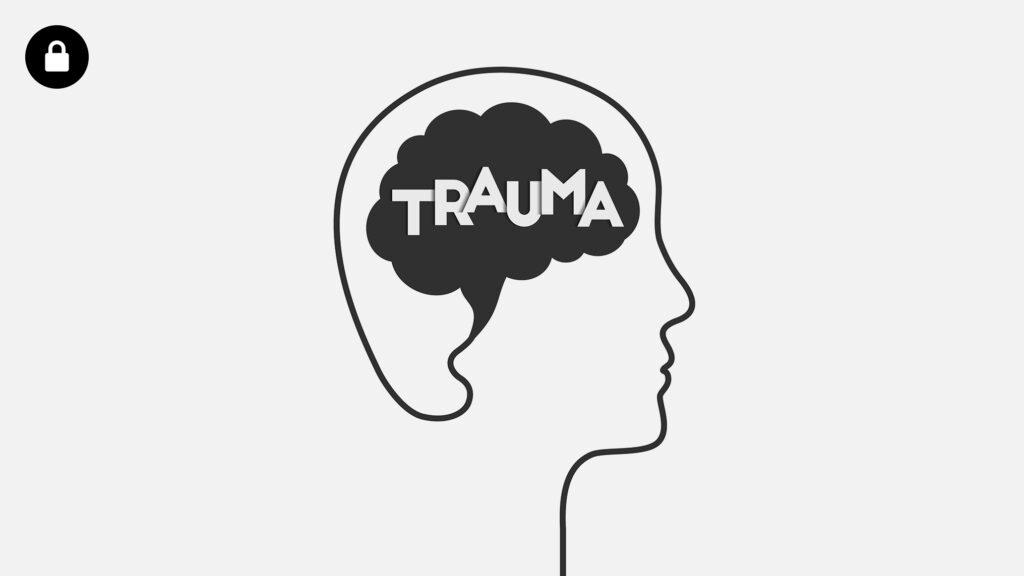
Scars to Strength: How Openly Sharing Personal Trauma Builds Unbreakable Teams
This is a sneak peek of this week’s Deep Dives article — published today! Become a Deep Dives Member to get access to the full article.
What if the key to building the strongest, most resilient teams wasn’t another icebreaker or retreat — but the courage to share the struggles that shaped us? In our latest Deep Dive, we explore how openly discussing personal trauma can transform teams from groups of colleagues into communities of trust, empathy, and unbreakable bonds. Packed with insights, examples, and practical guidance, this piece shows why vulnerability isn’t a weakness — it’s the secret strength of extraordinary teams.
👉 Subscribe to our Deep Dives Membership to read the full article and unlock tools to bring your team closer than ever before.
DEEP DIVES ARTICLE — LEADERSHIP

Transactional vs. Transformational Leadership: Why the Difference Matters
This is a sneak peek of this week’s Deep Dives article — published today! Become a Deep Dives Member to get access to the full article.
What’s the difference between a leader who simply manages tasks and one who ignites lasting change? In our latest Deep Dive, we explore the powerful contrast between transactional and transformational leadership — and why the future belongs to those who can inspire, empower, and transform. Packed with real-world examples of leaders like Nelson Mandela, Oprah Winfrey, Satya Nadella, and Elon Musk, this article reveals how to move beyond managing processes to shaping possibilities. Want to unlock the full insights and practical strategies?
👉 Subscribe to our Deep Dives Membership and start leading at the next level!
Deep Dives Book Summary
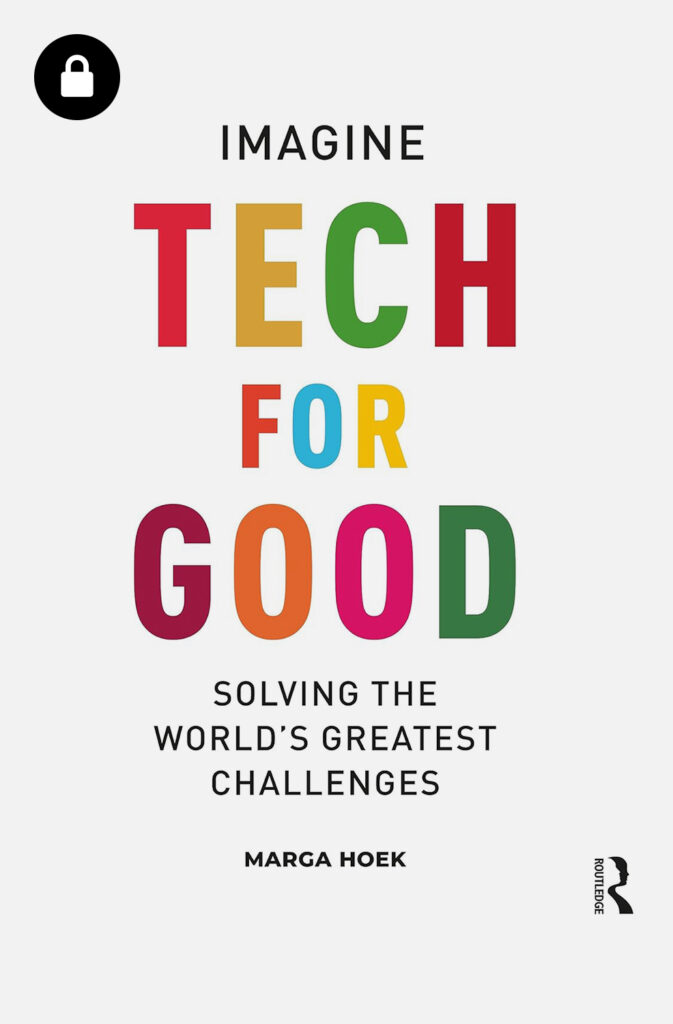
This is a sneak peek of this week’s Deep Dives Book Review — published today! Become a Deep Dives Member to get access to the full Book Summary.
What if technology wasn’t just about innovation — but about solving humanity’s greatest challenges? In Tech for Good, Marga Hoek lays out a bold, actionable vision for how businesses, entrepreneurs, and governments can harness technology to tackle climate change, inequality, and more. With inspiring case studies and a powerful call to action, this book is a blueprint for building a future where innovation and impact go hand in hand. Ready to explore how tech can help create a better world?
👉 Subscribe to our Deep Dives Membership for the full, detailed summary and practical takeaways.
Quick Reads
quick read — Emotional intelligence

How Truly Great Leaders Build Emotional Capital with Their Teams
In today’s fast-paced, high-stakes world, leaders are often judged by metrics: revenue growth, market share, cost reductions, project completions. These are all important. But there’s another kind of capital that sets truly great leaders apart — one that can’t be easily measured on a spreadsheet but is felt deeply across teams and organizations. That is emotional capital.
Emotional capital is the trust, goodwill, loyalty, and emotional connection that a leader builds with their people over time. It’s what makes teams go the extra mile. It’s what inspires people to speak up, contribute ideas, and support each other through challenges. And it’s what keeps organizations resilient and cohesive during times of change.
So how do truly great leaders build this invaluable asset? Let’s explore.
What Is Emotional Capital?
At its core, emotional capital is the emotional “bank account” that exists between a leader and their team. Every interaction is like a deposit or withdrawal in this account. Leaders who consistently act with integrity, empathy, and authenticity build up emotional reserves. Leaders who ignore, manipulate, or fail to support their teams drain those reserves.
When emotional capital is high, teams feel:
- Safe to take risks
- Motivated to contribute
- Valued and understood
- Loyal and committed
When emotional capital is low, even high performers start to disengage. People become guarded, innovation slows, and trust erodes.
Building emotional capital isn’t about being soft or overly accommodating. It’s about creating deep, meaningful connections that drive both human and business success.
They Lead with Authenticity
Great leaders know that emotional capital starts with authenticity. People can spot insincerity a mile away. When leaders try to put on a persona, manipulate emotions, or say what they think people want to hear, they lose trust — fast.
Authentic leaders:
- Share their values and let those values guide their decisions.
- Admit mistakes and take responsibility for them.
- Speak honestly, even when the truth is hard to hear.
Consider how employees feel when a leader says, “I don’t have all the answers right now, but I’m committed to finding a solution — and I’ll keep you informed along the way.” That kind of honesty builds emotional capital because it shows vulnerability, respect, and a willingness to collaborate.
They Invest in Emotional Intelligence
Emotional capital is built on emotional intelligence. Leaders who understand and manage their own emotions — and who can tune into the emotions of others — create stronger, more trusting relationships.
Emotionally intelligent leaders:
- Pay attention to tone, body language, and what’s not being said.
- Notice when someone is stressed, discouraged, or disengaged — and take action.
- Adjust their communication style based on the situation and the individual.
For example, instead of delivering feedback in a rushed, transactional way, a leader who builds emotional capital will pause, check in, and frame feedback in a way that supports growth rather than defensiveness. The employee leaves the conversation feeling valued, not diminished.
They Make Genuine Connections
Great leaders don’t see their people as just workers who complete tasks. They see them as whole human beings with dreams, challenges, strengths, and struggles. And they take the time to connect on that level.
This doesn’t mean prying into personal lives or forcing artificial closeness. It means:
- Showing interest in people’s aspirations and supporting their development.
- Remembering and acknowledging important milestones — a work anniversary, a new baby, a graduation.
- Being present in conversations, without distractions.
Small acts of care build enormous emotional capital over time. A simple, “I noticed you’ve seemed quieter than usual — how are you doing?” can have a bigger impact than a thousand team-building exercises.
They Build Psychological Safety
Emotional capital flourishes in environments where people feel safe to speak up, take risks, and fail without fear of ridicule or punishment. This is called psychological safety, and great leaders are intentional about creating it.
They:
- Encourage debate and dissent, knowing that better ideas come from diverse perspectives.
- Reward curiosity and experimentation, not just success.
- Share their own failures and what they learned from them, normalizing imperfection.
When leaders foster psychological safety, emotional capital soars because people feel trusted, respected, and empowered. The team stops holding back — and that’s when innovation and collaboration reach new heights.
They Show Consistency and Fairness
A surefire way to drain emotional capital is to act inconsistently or show favoritism. Great leaders know that emotional capital is built when people trust that their leader will:
- Apply standards fairly and consistently.
- Make decisions that reflect shared values.
- Follow through on promises.
When people know what to expect from their leader, they feel secure. And that security is a key ingredient in emotional capital.
They Lead with Purpose
Finally, truly great leaders connect their teams to a higher purpose. They help people see how their work matters — how it contributes to something bigger than the immediate task at hand.
Purpose fuels emotional capital because:
- It gives people meaning and motivation.
- It aligns individual and collective goals.
- It inspires commitment, especially during hard times.
A leader who says, “Your work on this project will directly help our customers lead healthier lives” builds far more emotional capital than one who says, “Get it done because I said so.”
Emotional Capital Pays Dividends
Why does emotional capital matter so much? Because it:
- Boosts engagement. People give their best effort when they feel connected and valued.
- Strengthens retention. People are more likely to stay when they trust and respect their leader.
- Fuels resilience. High emotional capital helps teams navigate change and challenges with greater confidence.
- Drives performance. Teams with high emotional capital collaborate better, innovate more, and deliver stronger results.
In short: emotional capital is the foundation of great leadership. It doesn’t just make work feel better — it helps organizations thrive.
Are You Building or Draining Emotional Capital?
Every interaction you have as a leader is an opportunity to make a deposit or a withdrawal in the emotional capital account. So ask yourself:
👉 Am I leading with authenticity?
👉 Am I taking time to connect?
👉 Am I creating safety for people to bring their best selves to work?
👉 Am I consistently showing up in a way that earns trust?
Great leaders don’t wait until a crisis to build emotional capital. They invest in it daily — through small, meaningful actions that add up to something extraordinary over time.
So today, commit to being the kind of leader who leaves people feeling seen, heard, valued, and inspired. Because when you build emotional capital, you don’t just get better results — you help your people grow. And that’s the true legacy of leadership.
quick read — Personal development

The Strength in Letting Down Your Guard: How Authentic Vulnerability Fuels Personal Growth
We live in a world that often rewards confidence, decisiveness, and certainty. From job interviews to social media posts, we’re conditioned to show our best sides — polished, controlled, and put together. Yet, ask anyone who’s experienced true personal growth, and they’ll tell you: the real breakthroughs come not from perfection, but from authentic vulnerability.
Vulnerability has long been misunderstood. We often associate it with weakness, exposure, or risk. But in truth, authentic vulnerability is one of the most courageous and transformative traits we can cultivate. It’s what allows us to face ourselves honestly, build deeper connections, and step into the fullest versions of who we are.
Let’s explore how authentic vulnerability plays a vital role in personal development — and why embracing it is one of the greatest gifts you can give yourself.
What Is Authentic Vulnerability?
Authentic vulnerability is the willingness to show up as you truly are, without masks or pretense, even when it feels uncomfortable. It’s about allowing yourself to be seen — flaws, fears, hopes, struggles, and all — without trying to control how others perceive you.
It’s important to note that authentic vulnerability isn’t about oversharing or seeking pity. It’s not about dumping emotions indiscriminately or expecting others to fix your problems. Instead, it’s about:
- Being honest with yourself about your challenges and limitations.
- Sharing your truth thoughtfully, where it serves connection and growth.
- Opening yourself up to learning, change, and the support of others.
True vulnerability is deeply intentional. It’s grounded in self-awareness and the desire to build something real — within yourself and with those around you.
Why Authentic Vulnerability Is So Hard
If vulnerability is so powerful, why do so many of us resist it? The answer lies in our deep-seated fear of rejection, judgment, or failure. We worry:
- What if people see my flaws and think less of me?
- What if I show weakness and lose credibility?
- What if I try and fail — and everyone knows it?
These fears are natural. But they keep us stuck. When we armor ourselves against vulnerability, we may feel safer in the short term — but we also block the very experiences that help us grow: connection, feedback, self-reflection, and resilience.
How Vulnerability Drives Personal Development
It Builds Self-Awareness
Personal growth starts with knowing yourself — your strengths, blind spots, values, and triggers. Vulnerability helps you drop your defenses and look inward honestly. It invites you to ask hard questions:
- Where am I holding myself back?
- What stories am I telling myself that no longer serve me?
- Where do I need help or support?
When you stop pretending to have it all figured out, you open the door to genuine self-discovery. And that’s where real transformation begins.
It Fosters Deeper Connections
Vulnerability is the gateway to authentic relationships. When you have the courage to let people see the real you, you give them permission to do the same. This creates trust, empathy, and intimacy — whether in friendships, partnerships, or work teams.
Think of a time when someone admitted a struggle or fear to you. Chances are, you didn’t judge them. More likely, you felt closer to them. That’s the power of vulnerability. It reminds us we’re all human, and it binds us together in shared experience.
It Fuels Courage and Growth
You can’t grow without taking risks. Whether it’s applying for a new job, starting a business, having a hard conversation, or pursuing a dream, every act of growth requires you to step into uncertainty.
Vulnerability gives you the strength to take those leaps. It’s the inner voice that says:
- “Yes, this might fail — but it’s worth trying.”
- “Yes, I feel exposed — but that’s where change happens.”
When you embrace vulnerability, you stop waiting to feel 100% ready or confident before you act. You learn to move forward despite fear, not in the absence of it.
It Builds Resilience
Ironically, vulnerability makes you stronger. When you allow yourself to feel disappointment, rejection, or failure fully — instead of numbing or denying it — you build emotional resilience. You learn:
- I can survive hard things.
- Feelings are temporary — they pass.
- Every setback teaches me something valuable.
Resilient people aren’t those who never fall. They’re those who fall, feel the pain, and rise again — wiser, braver, and more determined.
What Authentic Vulnerability Looks Like in Practice
Let’s break it down. Here are a few real-world examples of how authentic vulnerability might show up in your personal development journey:
At work. You admit when you don’t know the answer — and ask for guidance. Rather than pretending competence, you prioritize learning and growth.
In relationships. You express your true feelings, even when it’s scary — telling a friend they hurt you, sharing a hope with your partner, or saying “I’m struggling” when you need support.
In self-reflection. You face uncomfortable truths about your habits or patterns. Instead of rationalizing or blaming, you ask, “What can I do differently?”
In pursuing goals. You risk failing publicly — applying for the promotion, sharing your creative work, starting the thing you’ve always dreamed about — knowing the attempt matters more than the outcome.
How to Cultivate Authentic Vulnerability
Building vulnerability takes practice. Here’s how to start:
Get curious about your defenses.
Notice when you feel the urge to protect your image or control how others see you. Ask yourself: What am I afraid would happen if I let myself be seen?
Start small.
You don’t have to bare your soul all at once. Begin by sharing something real in safe relationships — a fear, a hope, a struggle. See how it feels, and notice how others respond.
Reframe vulnerability as strength.
Remind yourself: It takes far more courage to be open than to hide behind a mask. Vulnerability isn’t weakness. It’s authenticity in action.
Choose your audience wisely.
Authentic vulnerability doesn’t mean sharing everything with everyone. It means sharing thoughtfully, with people who have earned your trust or with whom your openness will build trust.
Celebrate your efforts.
Every time you choose vulnerability over self-protection, you’re growing. Acknowledge your bravery. Reflect on what you learned. Let the experience fuel your continued development.
The Strength in Letting Down Your Guard
The journey of personal development isn’t about becoming perfect — it’s about becoming whole. And that wholeness requires us to embrace both our strengths and our struggles, our confidence and our fears.
Authentic vulnerability is the key that unlocks that journey. It invites deeper self-awareness, fosters real connection, fuels growth, and builds resilience. So, the next time you feel tempted to armor up, ask yourself:
What’s the opportunity here if I let myself be seen? What growth might I unlock by choosing courage over comfort?
Because the truth is: the strongest, most fulfilled, and most inspiring people aren’t those who have it all figured out. They’re those who are willing to show up — exactly as they are — and grow from there.
quick read — LEADERSHIP

Initiative, Intellectual Curiosity, and Common Sense in Leadership
Let’s be honest – when we talk about great leadership, we often toss around the usual suspects: vision, charisma, strategy, innovation. They all sound impressive, and they matter. But too often, we overlook three of the most quietly powerful traits a leader can possess: initiative, intellectual curiosity, and plain old common sense.
They’re not flashy. They don’t make for dramatic TED talks. But they’re the reason real progress happens. Because without them, even the most sophisticated strategy is just a skeleton – impressive in theory, but lifeless in practice.
Why Initiative Still Matters (More Than Ever)
We live in a world that celebrates ideas. There’s no shortage of strategy decks, brainstorming sessions, or inspirational quotes on LinkedIn. But at the end of the day, someone has to move first. Someone has to raise their hand, ask the uncomfortable question, try the experiment, or fix the thing that’s broken – even if no one told them to.
That someone is a leader with initiative.
Initiative is the trait that separates the doers from the dreamers. It’s not about being impulsive – it’s about being engaged enough to act, without waiting for permission or a five-step approval process.
Great leaders don’t sit back and wait for top-down direction. They don’t need a fire drill to start thinking ahead. They anticipate. They notice gaps. And they move – not recklessly, but decisively.
They’re the ones who, in the middle of a meeting, quietly open their laptop and solve the problem while others are still talking about it.
Initiative isn’t just hustle. It’s ownership in action.
Intellectual Curiosity: The Secret Sauce of Progress
If initiative is what gets the ball rolling, intellectual curiosity is what makes sure it’s rolling in the right direction.
Curious leaders don’t settle for “this is how we’ve always done it.” That phrase makes their skin crawl. They’re wired to find better, smarter, more efficient ways to get things done. They ask “why?” not to be annoying – but because they want to understand, improve, and optimize.
This kind of curiosity isn’t academic – it’s active. It shows up in questions like:
- “What would happen if we flipped the process?”
- “How are other companies solving this?”
- “Why do we keep running into this same issue?”
They don’t need to have all the answers, but they’re relentless about learning. They read, they listen, they experiment. They aren’t afraid to admit what they don’t know – and that’s exactly what makes them powerful.
Because the best leaders aren’t the ones with all the answers. They’re the ones asking better questions.
The Common Sense Quotient
Now, let’s talk about something that should be a given – but isn’t: common sense.
You’d be surprised how often this gets lost in leadership circles. Sometimes people get so swept up in complex models, jargon, and hypotheticals that they forget to ask the most basic question: Does this even make sense?
Common sense is about practicality. It’s the ability to zoom out, see the big picture, and make a decision that aligns with reality – not just policy. It’s knowing when to follow the manual and when to trust your gut.
A leader with common sense:
- Doesn’t launch a new initiative during peak holiday season
- Knows that adding three meetings a week won’t solve a communication problem
- Understands that if a front-line employee is exhausted, a training module isn’t the first solution – they need rest and support
Common sense often means choosing progress over perfection, clarity over complexity, and people over process.
It doesn’t make you a maverick. It makes you someone others can count on to bring the conversation back to what really matters.
When You Combine All Three…
Now here’s where it gets exciting. When a leader has initiative, curiosity, and common sense, you start to see a different kind of energy. A culture-shaping kind of energy.
They’re not just reacting to problems. They’re staying ahead of them. They’re not just executing tasks. They’re asking why those tasks exist in the first place. They’re not just managing process. They’re improving it in real time.
But there’s one more ingredient that brings this trifecta to life: follow-through.
Because initiative without execution is just enthusiasm. Curiosity without discipline is just distraction. And common sense without closure is just good intentions.
Great leaders are obsessed – not with perfection, but with completion. They follow the thread. They close the loop. They don’t just talk about “next steps” – they take them, track them, and make sure they get done.
A Quick Litmus Test
Want to know if someone is on their way to becoming a truly effective leader?
Look for these signs:
- They act without being asked.
- They ask “why” more than “how.”
- They speak in simple, clear language.
- They fix things before they become problems.
- They finish what they start.
Notice, none of these require a title. They’re not about hierarchy. They’re about mindset. That’s what makes them powerful – and contagious.
The Quiet Traits That Build Bold Results
Let’s stop treating initiative, curiosity, and common sense like “bonus” traits in leaders. They are foundational. They’re the difference between a leadership team that constantly needs direction – and one that drives momentum forward on its own.
Yes, strategy matters. But the great management consultant Peter Drucker was right: culture will eat strategy for breakfast – and if your leadership culture doesn’t prioritize initiative, curiosity, and clarity, even the best-laid plans will fall flat.
The next time you’re looking to grow as a leader – or hire one – don’t just ask about vision and results. Ask:
- What have you fixed without being asked?
- What are you learning right now – and why?
- Tell me about a time you made a better decision by trusting your gut.
Because these aren’t soft skills. They’re the steel frame underneath every strong organization.
Quotes of the Week
QUOTE — EMOTIONAL INTELLIGENCE

QUOTE — PERSONAL DEVELOPMENT

QUOTE — LEADERSHIP

Reframe

The Myth of Control: Reframing Uncertainty as a Playground for Possibility
If there’s one thing most of us crave, it’s certainty. We want to know what’s coming next, to feel like we’re steering the ship, to believe that with enough planning, effort, and vigilance, we can control what happens in our lives.
And yet, life has a way of reminding us — often abruptly — that control is, at best, an illusion.
A job unexpectedly ends. A relationship shifts. A health crisis appears out of nowhere. Markets crash, opportunities evaporate, pandemics disrupt the world. Even our own thoughts and feelings can surprise us. The truth is: uncertainty is life’s default setting.
But here’s the good news: while we can’t eliminate uncertainty, we can change how we relate to it. When we stop clinging to the myth of control and start seeing uncertainty as a playground for possibility, we unlock new levels of resilience, creativity, and growth.
In this article, we’ll explore how to reframe uncertainty — not as something to fear, but as fertile ground for discovery.
The Illusion of Control
Let’s start by acknowledging why we cling so tightly to control in the first place.
It feels safe. When we believe we’re in control, we feel less vulnerable to life’s ups and downs.
It provides structure. Control gives us the comfort of predictability — even if that predictability is just imagined.
It feeds our ego. If we’re in charge, then success (and avoiding failure) seems to rest solely on our shoulders — which can feel empowering, even if it’s exhausting.
But the reality is that control is often an illusion. We can influence many things — our actions, our attitudes, our choices — but we can’t control outcomes, other people’s behavior, or external circumstances.
The problem with clinging to control is that when uncertainty inevitably arises, we’re left feeling disoriented, anxious, and defeated. The tighter our grip, the harder it is to adapt.
Why Uncertainty Feels So Hard
Uncertainty triggers our survival instincts. Our brains are wired to seek patterns and predict what’s coming next because, evolutionarily, this helped keep us safe. The unknown can feel like a threat — which is why ambiguity often generates fear, stress, or paralysis.
But here’s where mindset makes all the difference.
When we see uncertainty as danger, we react defensively. When we see uncertainty as possibility, we respond creatively.
Reframing Uncertainty as a Playground for Possibility
What if, instead of fighting uncertainty, we welcomed it? What if we saw it not as a void, but as a space where anything is possible?
Here’s how to start shifting your mindset:
Recognize that certainty is overrated — and often limiting
When we cling to what we know, we can miss out on what could be. Certainty keeps us in familiar patterns, but uncertainty opens the door to innovation.
Many of history’s greatest discoveries, inventions, and transformations were born not from certainty, but from curiosity in the face of the unknown.
Think of entrepreneurs who built companies in emerging industries. Think of artists who pioneered new forms. Think of individuals who reinvented themselves after life threw them a curveball.
They didn’t have guarantees. They had possibilities — and they explored them.
Shift from “What if it goes wrong?” to “What if it goes right?”
When facing uncertainty, our minds often race to worst-case scenarios. This is normal — it’s our brain’s way of trying to protect us. But it’s also limiting.
Challenge yourself to balance that inner dialogue:
- What opportunities could this change bring?
- What might I discover if I try?
- What strengths could I build by stepping into the unknown?
Uncertainty isn’t just where risk lives — it’s where growth lives, too.
Focus on influence, not control
While we can’t control outcomes, we can influence them. We can choose our actions, shape our mindset, and cultivate qualities like adaptability, courage, and patience.
Instead of fixating on the uncontrollable, ask: What’s mine to do here? Where can I make a positive difference, even in small ways?
This shift restores agency without the stress of needing to master every variable.
See uncertainty as the creative space
Think of uncertainty as the blank canvas before the first brushstroke. The empty page before the first word. The silent stage before the first note.
It’s a space where new ideas, solutions, and paths can emerge.
Rather than rushing to fill the void with the familiar, give yourself permission to pause, reflect, and imagine. Let the unknown be fertile ground for possibility.
Embrace flexibility as a superpower
When we stop trying to control everything, we become more flexible. And flexibility is one of the greatest assets we can have in a changing world.
Flexible people can:
- Adjust their plans as conditions shift.
- Recover more quickly from setbacks.
- Spot and seize unexpected opportunities.
In a world defined by change, it’s not the rigid who thrive — it’s the adaptable.
Real-Life Examples: Possibility Born from Uncertainty
Uncertainty has a way of pushing us out of our comfort zones — sometimes gently, sometimes abruptly — and inviting us to imagine new possibilities. While it’s natural to resist change and seek stability, history and everyday life offer countless examples of people and communities who have transformed chaos into opportunity. Let’s take a closer look at a few powerful examples.
J.K. Rowling — From Despair to Literary Legend
Before Harry Potter became a cultural phenomenon, J.K. Rowling was in one of the most uncertain periods of her life. She was a single mother, living in a small apartment in Edinburgh, dependent on government assistance to make ends meet. The future felt daunting. She has spoken openly about struggling with depression during that time, unsure of how she would provide for herself and her daughter.
But in that space of uncertainty, where the usual markers of success or stability had fallen away, something remarkable happened. Rowling allowed herself to dream — to focus on the one thing she had always loved: writing. In cafés around the city, she poured her energy into a world of wizards, friendship, and resilience.
Her uncertain reality gave rise to possibility — without the traditional paths available to her, she created her own. The Harry Potter series didn’t just change her life; it inspired millions around the world and built a global franchise that continues to thrive.
Lesson: Sometimes, uncertainty strips away what no longer serves us and brings us face-to-face with our true calling.
The Rise of Remote Work — A Global Mindset Shift
Few events in modern history created as much global uncertainty as the COVID-19 pandemic. Overnight, businesses, schools, and entire industries were forced to abandon the familiar and navigate uncharted waters. For many, this period of disruption felt frightening and destabilizing — routines vanished, and the future of work seemed unclear.
Yet, from this chaos, entirely new ways of working emerged:
- Companies reimagined work structures, embracing remote or hybrid models that had previously been dismissed as unfeasible.
- Technology accelerated, with innovations in video conferencing, collaboration tools, and virtual event platforms enabling teams to stay connected across time zones and continents.
- Workers re-evaluated priorities, with many seeking greater flexibility, improved work-life balance, and new career paths that aligned more closely with personal values.
The uncertainty of the pandemic cracked open rigid systems, revealing that many of the “rules” of work were more adaptable than we thought. Entire industries now operate differently, with new possibilities for inclusivity, accessibility, and global collaboration.
Lesson: Uncertainty can expose outdated assumptions and force us to innovate in ways that create more humane and sustainable ways of living and working.
Personal Reinvention — Turning Life’s Chaos into Growth
While global figures and movements provide inspiration, some of the most profound examples of possibility born from uncertainty come from ordinary people who faced personal upheaval — and chose to see it as an opening, rather than an ending.
Career Transitions
Many individuals have shared how losing a job, initially a source of stress and fear, ultimately became a catalyst for discovering new talents, launching a business, or pursuing a long-deferred dream. The uncertainty of unemployment forced them to ask hard questions: What do I truly want? What skills do I have that I’ve overlooked? What risks am I finally ready to take?
Relationship Endings
The heartbreak of divorce or a breakup can feel like life’s foundation has crumbled. But in the rubble, many find unexpected freedom — the space to redefine themselves, build healthier connections, or focus on personal growth that had been neglected.
Health Crises
A serious diagnosis or accident can shatter certainty in an instant. Yet many survivors speak of how their ordeal led them to live more intentionally, to cherish relationships more deeply, or to become advocates for others facing similar struggles.
The common thread. In each of these situations, what at first seemed like devastation opened doors that were previously invisible — opportunities for reinvention, growth, and deeper alignment with one’s true values.
Lesson: Personal chaos, while painful, can serve as a profound invitation to start anew — if we’re willing to look beyond the loss and toward what’s possible.
Startups and Entrepreneurs — Innovation from Uncertainty
Let’s not forget that many of the world’s most successful companies were born in times of economic uncertainty or personal challenge:
- Airbnb was founded during the 2008 financial crisis when the founders, unable to pay rent, decided to rent out air mattresses in their apartment.
- Slack began as an internal communication tool for a failing gaming company, only to become a globally used platform that transformed workplace communication.
- WhatsApp was created by immigrants who couldn’t afford phone calls to stay connected with family.
In each case, uncertainty wasn’t an obstacle — it was the mother of invention. When the old paths were blocked, new ones were forged.
Lesson: Uncertainty fuels creativity because it forces us to think differently, break old patterns, and solve problems in novel ways.
What These Stories Teach Us
Across these examples — whether personal or professional, individual or global — we see a recurring truth: Uncertainty strips away illusion and comfort, creating a space where possibility lives.
The people and organizations that thrive in uncertainty aren’t those who avoid it — they’re the ones who step into the unknown with curiosity, courage, and a willingness to experiment.
They don’t have all the answers — they have the resilience to ask better questions. They don’t cling to the past — they build the future, one uncertain step at a time.
Your Turn: Finding Possibility in Your Uncertainty
The next time uncertainty shakes your world, try reframing it:
- What doors might this chaos be opening that I hadn’t noticed before?
- What assumptions or old patterns am I being invited to release?
- What small step can I take today to explore the possibilities this uncertainty offers?
Because in the end, uncertainty isn’t the enemy. It’s the playground where possibility lives.
Your New Relationship with Uncertainty
Life’s uncertainty isn’t going away. But your mindset about it can change everything.
Will you see uncertainty as a threat — or as an invitation to grow, create, and discover?
Will you waste energy trying to control the uncontrollable — or focus on what’s yours to influence?
Will you fear the blank canvas — or pick up the brush and paint something new?
When you reframe uncertainty as a playground for possibility, you stop bracing against life. You start dancing with it.
So the next time life surprises you, take a deep breath, and remember: Here lies possibility. What will I do with it?