By Tal Ben-Shahar
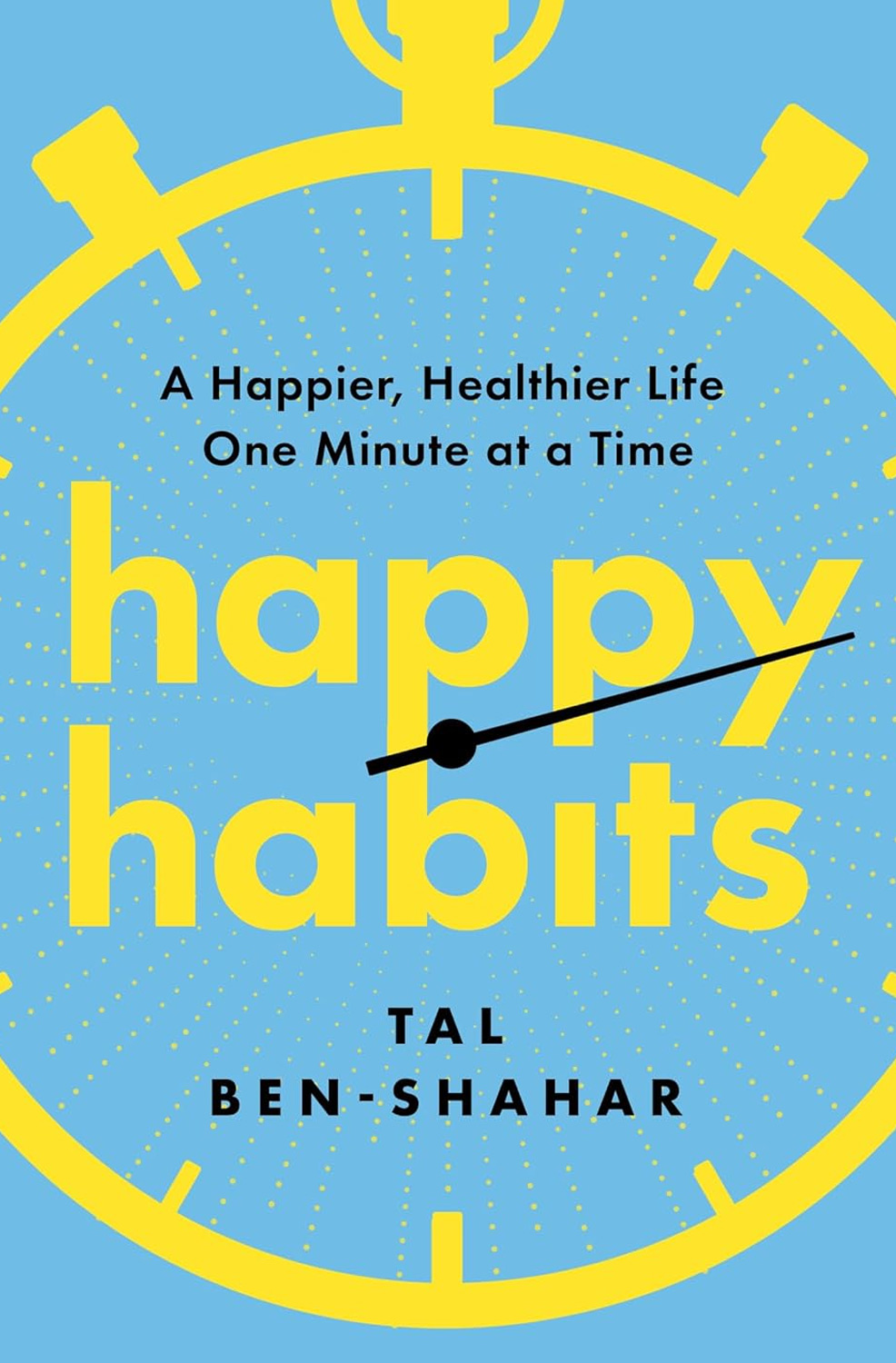
Tal Ben-Shahar has long stood at the intersection of positive psychology and practical living. In Happy Habits, he distills decades of research and teaching into a deceptively simple thesis: happiness is not a trait, a stroke of luck, or a reward at the end of achievement. It is a practice. More specifically, it is the cumulative result of daily habits — small, repeatable behaviors that shape our emotional baseline over time.
Rather than chasing peak experiences or dramatic life reinventions, Ben-Shahar argues for consistency over intensity. Happiness is built the same way strength is built in a gym — through repetition. If we want more joy, resilience, and fulfillment, we must install habits that support them.
The book is less about inspiration and more about structure.
BUY THIS BOOK
Happiness as a Skill, Not a State
One of the foundational reframes in Happy Habits is the idea that happiness is not a permanent state to be achieved, but a skill to be developed. Ben-Shahar challenges the myth that happiness comes after success, wealth, recognition, or security. Instead, he presents evidence that happiness often precedes success.
When people cultivate positive emotion regularly, they become more creative, more resilient, and more productive. Happiness is not the reward for winning; it is the fuel that makes winning more likely.
This shifts the conversation away from waiting for circumstances to improve and toward intentional daily action. You do not need to redesign your life. You need to redesign your routines.
The Architecture of Habits
Central to the book is the concept that habits automate identity. Repeated behaviors form neural pathways. Over time, these pathways make certain emotional responses more accessible.
Ben-Shahar draws on research in behavioral science to explain that habit formation requires consistency rather than intensity. Small, manageable actions, performed regularly, are more powerful than sporadic bursts of effort.
For example, five minutes of gratitude journaling each day may have more long-term impact than a single hour-long reflection once a month. A short daily walk may produce more psychological benefit than an occasional ambitious workout.
The emphasis is on sustainability.
The brain resists radical change but adapts well to incremental repetition. Happiness, therefore, becomes a design problem rather than a mystery.
The SPIRE Framework
One of the core contributions of the book is Ben-Shahar’s SPIRE model, which organizes well-being into five domains: Spiritual, Physical, Intellectual, Relational, and Emotional.
Spiritual well-being refers not necessarily to religion, but to meaning and purpose. It involves aligning daily activities with values and long-term goals. Without meaning, achievement feels hollow.
Physical well-being focuses on movement, sleep, and nutrition. Ben-Shahar emphasizes that mood and body are inseparable. Neglecting the body undermines emotional resilience.
Intellectual well-being involves curiosity, growth, and engagement with ideas. Learning and challenge stimulate vitality.
Relational well-being centers on connection. Strong relationships are repeatedly shown in research to be among the most powerful predictors of life satisfaction.
Emotional well-being involves cultivating positive emotions while allowing space for negative ones. Ben-Shahar is careful to reject toxic positivity. Happiness does not mean eliminating sadness or anger. It means broadening emotional range.
The SPIRE framework encourages readers to build habits in each domain, creating balance rather than overinvestment in one area.
Permission to Be Human
A recurring theme in Ben-Shahar’s work is what he calls “permission to be human.” In Happy Habits, he reiterates that sustainable happiness requires acceptance of imperfection.
Many people sabotage their well-being by demanding constant positivity. They judge themselves for feeling anxious, frustrated, or discouraged. This meta-judgment compounds distress.
Ben-Shahar argues that accepting painful emotions paradoxically reduces their intensity. When you stop fighting sadness, it becomes less consuming. When you allow disappointment without labeling it failure, resilience increases.
Happiness, in this view, is not emotional elimination. It is emotional integration.
Habits that support this integration — such as reflective journaling or mindfulness — build tolerance rather than avoidance.
The Power of Ritual
The book distinguishes between habits and rituals. A ritual is a habit infused with meaning.
For example, exercising can be a mechanical obligation or a ritual of self-care. Sharing dinner can be routine or a ritual of connection.
When behaviors are anchored in intention, their emotional impact deepens. Ben-Shahar encourages readers to consciously frame daily actions as investments in well-being rather than chores.
This reframing strengthens motivation because meaning sustains repetition.
Gratitude and Appreciation
Gratitude appears prominently in Happy Habits. Research consistently shows that intentionally noticing and appreciating positive aspects of life increases life satisfaction.
Ben-Shahar recommends simple practices such as writing down three good things at the end of each day or expressing appreciation directly to others. These habits redirect attention. The brain has a natural negativity bias, scanning for threat and deficiency. Gratitude counterbalances this bias.
Over time, consistent appreciation reshapes perception. Life does not become problem-free, but attention becomes more balanced.
Gratitude becomes a lens rather than an event.
Relationships as Multipliers
Relational habits receive particular emphasis. Ben-Shahar underscores that happiness is rarely solitary. Strong social ties amplify positive emotion and buffer against stress.
Simple behaviors — checking in with friends, scheduling meaningful conversations, practicing active listening — compound relational strength.
He encourages intentionality. Relationships do not thrive accidentally. Just as physical health requires exercise, relational health requires investment.
In a world where busyness crowds out connection, this reminder feels especially relevant.
Exercise, Sleep, and Energy
Unlike many personal development books that emphasize mindset alone, Happy Habits places substantial weight on physiology.
Regular physical activity improves mood, reduces anxiety, and increases cognitive clarity. Sleep enhances emotional regulation. Nutrition affects energy levels.
Ben-Shahar treats these not as side notes but as foundational.
You cannot think your way into happiness while chronically sleep-deprived. You cannot sustain optimism while neglecting movement.
The integration of body and mind reinforces the book’s holistic tone.
Realistic Optimism
Another key theme is realistic optimism. Ben-Shahar distinguishes it from blind positivity. Realistic optimism acknowledges difficulty while believing in the possibility of growth.
Habits that foster this mindset include reframing setbacks as learning opportunities and intentionally recalling past successes during challenging times.
Optimism, in this sense, is practiced. It is not personality-dependent.
By consistently choosing interpretations that empower rather than paralyze, individuals gradually reshape their default outlook.
The Compounding Effect
Perhaps the most powerful takeaway from Happy Habits is the compounding effect of small behaviors.
Individually, a five-minute meditation, a short walk, or a daily gratitude entry seems insignificant. Over weeks and months, these practices shift emotional baselines.
Ben-Shahar emphasizes patience. Just as unhealthy habits erode well-being gradually, positive habits restore it gradually.
The transformation is subtle but durable.
Final Reflection
Happy Habits is not a book of dramatic reinvention. It is a book of disciplined design. Ben-Shahar does not promise constant joy. He offers something more attainable: steady well-being built through intentional routines.
The message is empowering because it removes dependency on external change. You do not need a promotion, a relocation, or a breakthrough to begin increasing happiness. You need repetition.
Happiness becomes less mystical and more mechanical.
Build habits that nourish meaning, movement, connection, curiosity, and emotional awareness. Repeat them consistently. Allow imperfection. Adjust when necessary.
Over time, identity shifts. Mood stabilizes. Resilience strengthens.
Happiness, then, is not something you chase.
It is something you practice.