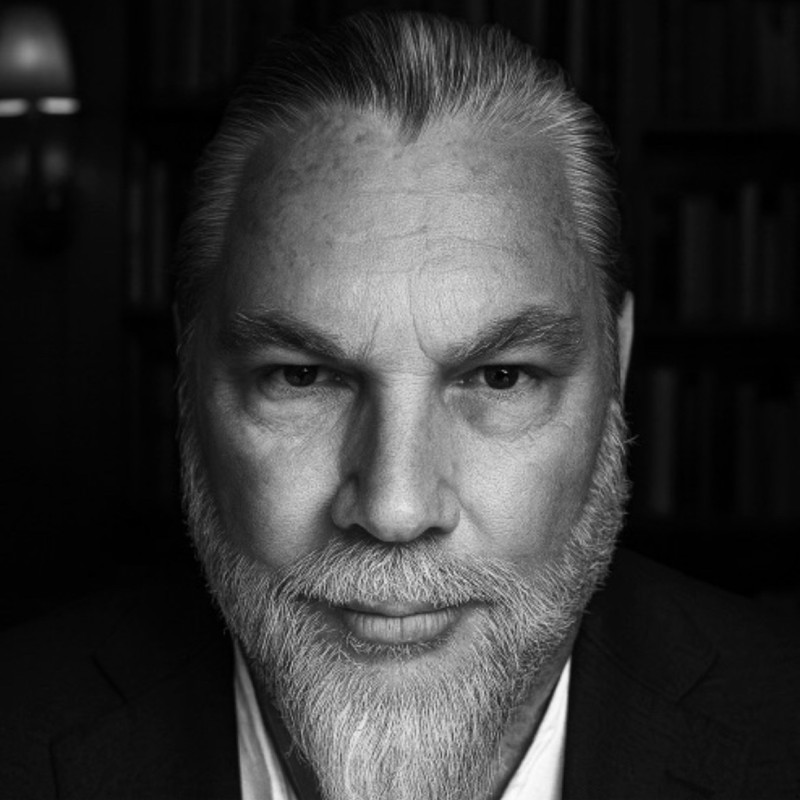

By: L. David Marquet
In Turn the Ship Around!, former U.S. Navy submarine captain L. David Marquet recounts the radical leadership experiment that transformed the USS Santa Fe from the worst-performing submarine in the fleet into one of the best. It’s part naval memoir, part leadership playbook, and it offers a model that applies far beyond the military—particularly in organizations bogged down by micromanagement, disengagement, and bureaucracy.
At its core, the book challenges the long-standing “leader–follower” paradigm, replacing it with a “leader–leader” model where authority and decision-making are distributed throughout the organization. This is not empowerment as a buzzword—it’s empowerment as a structural, cultural, and linguistic shift.
The Starting Point: Crisis on the Santa Fe
Marquet had spent nearly a year preparing to command the USS Olympia, a submarine he knew inside and out. Days before assuming command, he was reassigned to the Santa Fe, a completely different class of sub with a notorious record: low morale, high turnover, and a pervasive culture of fear and disengagement.
Here’s what he found when he arrived:
- Disengaged sailors. Most waited passively for instructions, even when something was obviously wrong.
- Micromanagement as default. Officers didn’t trust enlisted crew, and leaders didn’t trust each other.
- Error-prone operations. Mistakes persisted because no one felt ownership over decisions.
The turning point came when Marquet gave an impossible order—one that couldn’t physically be executed. Instead of questioning it, the officer repeated it to the crew. That was the moment he realized the depth of the problem: sailors had been conditioned to obey, not to think.
The Shift: Intent-Based Leadership
Instead of tightening control, Marquet decided to give it away—but in a structured way. Rather than issuing orders, he had crew members state their intentions:
“Captain, I intend to submerge the ship.”
This small linguistic shift forced crew members to:
- Understand the mission and their role in it.
- Think through the implications of their actions before taking them.
- Take personal responsibility for outcomes.
The captain retained veto authority, but decision-making moved closer to the information—where it belonged. Over time, this created a self-reinforcing loop: more thinking led to more competence, which led to more trust, which led to greater autonomy.
The Three Pillars of the Transformation
No. 1 — Control – Giving It Responsibly
Marquet didn’t simply hand over the keys to the submarine. Control was given gradually, tied to competence and operational clarity.
- Language as leverage. Orders became questions or requests for intent. “What do you intend to do?” replaced “Do this.”
- Ownership zones. Crew members were assigned domains—maintenance systems, procedures, drills—where they held full responsibility.
- Incremental delegation. The more competent someone became, the more control they were given.
No. 2 — Competence – Building the Capacity to Lead
Control without competence is chaos. Marquet invested heavily in raising the crew’s technical and decision-making skills so they could handle the authority they were being given.
- Peer teaching. Crew members taught each other what they mastered, reinforcing their own learning and spreading expertise.
- Briefings and debriefings. Before and after every operation, teams discussed what would happen, why it mattered, and what could be improved.
- Teach-backs. Crew members had to explain procedures back to leaders to confirm understanding.
Mistakes still happened—but they were treated as learning opportunities, not punishable offenses. Over time, the ship evolved into a self-correcting system where competence was a shared responsibility.
No. 3 — Clarity – Aligning Action with Purpose
Even a skilled, empowered crew can falter if they don’t know why they’re doing what they’re doing. Marquet ensured clarity of mission, values, and long-term objectives at every level.
- Connecting to purpose. Every order or action was tied to the broader mission, not just to compliance.
- Expecting leadership everywhere. From the most junior sailor to senior officers, everyone was expected to think and act like a leader.
- Recognition of process, not just outcomes. Successes were celebrated for the decision-making and collaboration behind them, not just the end result.
This clarity proved invaluable in high-stress situations, enabling the crew to adapt in real time without waiting for orders.
The Results
The transformation was dramatic:
- The Santa Fe achieved the highest operational readiness in the fleet.
- Retention and morale soared.
- Ten of Marquet’s officers went on to command their own submarines.
- Most importantly, the results endured after Marquet left, because they were embedded in the culture, not dependent on his personal presence.
Key Lessons for Leaders Everywhere
- Trust First. Trust is earned, but leaders must also take the first step in giving it.
- Change the Language, Change the Culture. Shifting from “May I?” to “I intend to…” fosters critical thinking and ownership.
- Structure Enables Freedom. A well-defined framework makes autonomy safer and more effective.
- Leaders Make Leaders. Distributing authority develops more capable, confident, and resilient teams.
- Clarity Multiplies Impact. People who know the mission, values, and desired outcomes can make smart decisions without constant oversight.
Marquet’s experience shows that the highest form of leadership is not creating more followers—it’s creating more leaders. The principles that transformed the Santa Fe can be applied in boardrooms, startups, hospitals, classrooms—anywhere people work together toward a goal in a complex, fast-changing environment.