Emotional Intelligence Series
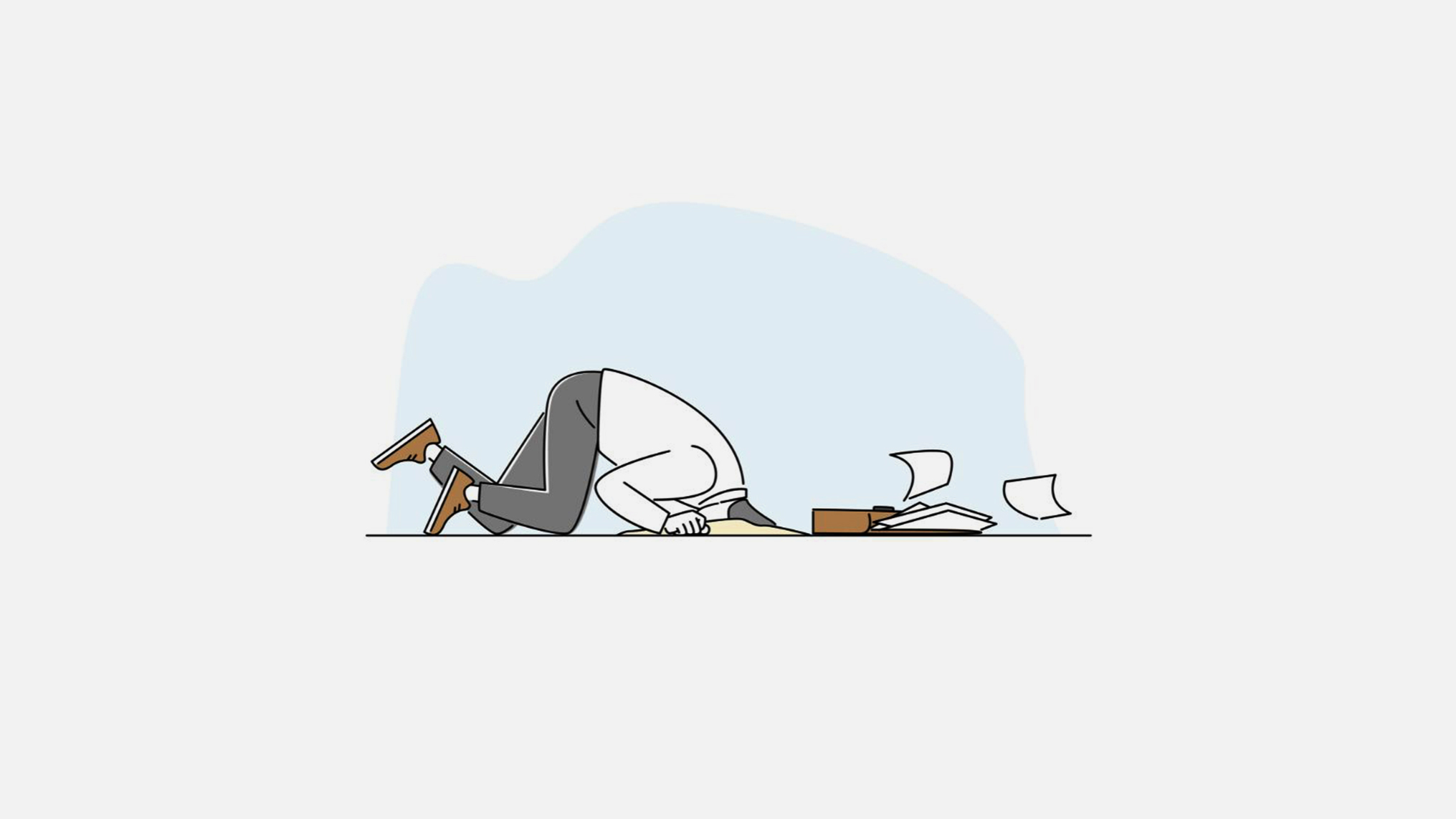
Most workplace dysfunction doesn’t start with incompetence. It starts with avoidance.
Avoidance of tension. Avoidance of discomfort. Avoidance of the conversations that feel risky, awkward, or emotionally charged. On the surface, this avoidance often looks like professionalism. Politeness. “Staying positive.” Not rocking the boat.
But underneath, it quietly corrodes trust, performance, and culture.
Emotional avoidance is one of the most expensive habits in modern organizations—and almost no one accounts for its cost.
What Emotional Avoidance Actually Looks Like at Work
Emotional avoidance isn’t dramatic. It doesn’t show up as open conflict or visible dysfunction. In fact, it often looks like the opposite.
It looks like meetings where everyone agrees and nothing changes. Feedback that’s softened to the point of uselessness. Issues that get discussed in side conversations but never addressed directly. Leaders who sense something is off but decide it’s “not the right time.”
Avoidance thrives in environments that confuse calm with health.
When people don’t feel capable of handling emotional discomfort, they default to managing appearances. They smooth over tension instead of resolving it. They choose short-term comfort over long-term clarity.
And because nothing visibly breaks right away, the behavior gets reinforced.
Why Avoidance Feels Safer Than Honesty
Avoidance isn’t driven by laziness or bad intent. It’s driven by fear.
Fear of being misunderstood. Fear of triggering defensiveness. Fear of damaging relationships. Fear of being seen as difficult, negative, or unsafe.
Most people were never taught how to stay grounded during emotionally charged conversations. So they do the rational thing: they avoid them.
But avoidance doesn’t eliminate discomfort. It postpones it—and compounds it.
As psychiatrist M. Scott Peck wrote, “Problems do not go away. They must be worked through or else they remain, forever a barrier to growth and development.” At work, those unworked-through problems don’t stay neutral. They metastasize.
The Productivity Tax No One Measures
Emotional avoidance has a hidden operational cost.
Time gets wasted navigating around issues instead of through them. Decisions slow because real concerns aren’t surfaced. Energy leaks into speculation, frustration, and quiet resentment.
People spend more cognitive load managing emotions they won’t name than solving the problems they were hired to address.
This is why organizations with “nice” cultures often underperform. The niceness becomes a coping strategy. A way to avoid friction rather than metabolize it.
Work still gets done—but with unnecessary drag.
And drag compounds faster than effort.
How Avoidance Undermines Trust
Trust isn’t built by being pleasant. It’s built by being honest and predictable.
When emotional avoidance becomes the norm, people stop believing what they hear. They learn to read between the lines. They rely on hallway conversations instead of formal channels. They protect themselves by withholding.
Over time, sincerity erodes.
People sense when something is being avoided. They just don’t always know what. That ambiguity creates anxiety, and anxiety drives self-protective behavior.
The irony is that the very thing people are trying to protect—relationships—gets damaged most by avoidance.
As Brené Brown often notes, “Clear is kind. Unclear is unkind.” Emotional avoidance thrives on being unclear.
Leadership Avoidance Is the Most Expensive Kind
When leaders avoid emotional discomfort, the cost multiplies.
Unclear expectations persist. Underperformance goes unaddressed. High performers carry more than their share while low performers remain protected by silence.
Resentment builds quietly. Cynicism sets in. People disengage not because they don’t care, but because caring without honesty becomes exhausting.
Leaders who avoid discomfort often believe they’re maintaining harmony. In reality, they’re outsourcing tension to the system.
Teams don’t need leaders to be emotionally invulnerable. They need leaders who are emotionally available—capable of having hard conversations without becoming reactive or defensive.
Avoidance at the top teaches avoidance everywhere else.
The Emotional Debt That Eventually Comes Due
Every avoided conversation creates emotional debt.
That debt accrues interest. It shows up later as blowups that seem disproportionate, turnover that feels sudden, or strategic failures that appear to come out of nowhere.
By the time organizations react, the cost is already high.
People don’t leave companies because of one conversation. They leave because of all the conversations that never happened.
And when those conversations finally do occur, they’re often too loaded to be productive. What could have been a course correction becomes a reckoning.
Why High-Performing Cultures Lean Into Discomfort
Healthy cultures aren’t conflict-free. They’re conflict-capable.
They build emotional fitness as a core skill. People learn how to speak directly without being cruel. How to listen without defending. How to disagree without disconnecting.
Discomfort isn’t celebrated—but it isn’t feared either.
In these environments, issues surface early. Feedback flows in real time. Small tensions get resolved before they become identity-level problems.
This doesn’t happen by accident. It requires leaders who model emotional courage and systems that reward clarity over comfort.
As organizational psychologist Adam Grant has observed, “The hallmark of a learning culture is not agreeing—it’s thinking together.” Avoidance shuts that down.
Emotional Avoidance Disguised as Professionalism
One of the most damaging myths in corporate culture is that professionalism means emotional neutrality.
It doesn’t.
Professionalism means responsibility. Ownership. The willingness to address what matters even when it’s uncomfortable.
Avoidance often masquerades as being “above the drama.” But refusing to engage emotionally doesn’t eliminate emotion—it just drives it underground.
Emotion doesn’t disappear when ignored. It accumulates.
And the longer it’s ignored, the more disruptive it becomes.
The Personal Cost to Employees
Emotional avoidance doesn’t just harm organizations. It harms people.
Employees learn to suppress parts of themselves to survive. They second-guess their perceptions. They internalize problems that should be addressed systemically.
This leads to quiet burnout. Not the dramatic kind, but the slow erosion of engagement and confidence.
People stop raising ideas. They stop flagging risks. They stop believing their voice matters.
And when that happens, organizations lose not just productivity—but intelligence.
What It Takes to Reverse the Pattern
Breaking emotional avoidance doesn’t require radical transparency or forced vulnerability. It requires capacity.
The capacity to stay present when emotions rise. To tolerate discomfort without rushing to resolution or retreat. To speak plainly without attaching identity to being right.
This is a skill. And like any skill, it can be developed.
Organizations that invest in emotional fitness—especially for leaders—don’t eliminate tension. They make it usable.
They turn discomfort into data.
The Real Cost of Avoidance
The real cost of emotional avoidance isn’t conflict. It’s stagnation.
It’s the opportunities missed because no one wanted to push. The talent lost because no one spoke up. The strategies that failed because dissent stayed silent.
Avoidance feels cheaper in the moment. But it’s always more expensive in the long run.
The healthiest workplaces aren’t the most comfortable ones. They’re the ones where discomfort is handled skillfully instead of avoided entirely.
Because in the end, growth demands contact—with reality, with each other, and with the emotions we’d rather not feel.
And the organizations willing to face that cost early are the ones that scale with integrity later.
If You Liked This Article, You May Also Like …
- Mastering the Mood: The Art and Science of Managing Emotions with Emotional Intelligence
- The 12 Biggest Mistakes People Make with Emotional Intelligence
- Using Emotional Intelligence to Recognize and Overcome Cognitive Biases: A Path to Objectivity