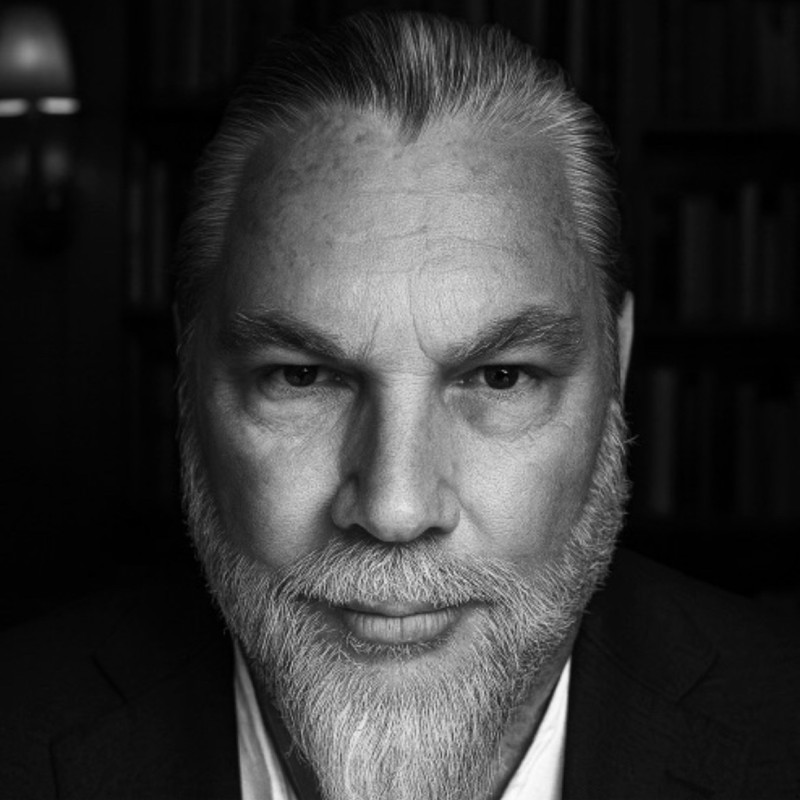

By Maxwell Maltz
Maxwell Maltz’s Psycho-Cybernetics is one of the foundational books in the modern self improvement movement, but its central idea is more subtle than simple positive thinking. Maltz was a plastic surgeon, and through his medical work he noticed something that puzzled him. Some patients experienced dramatic psychological changes after surgery. They felt more confident, more socially capable, and more alive. Others, despite successful physical changes, remained trapped in the same insecurity, fear, and self rejection they had carried before. Their appearance had changed, but their experience of themselves had not.
BUY THIS BOOK
That observation became the foundation of the book. Maltz concluded that every person carries an internal “self image,” a mental picture of who they believe themselves to be. This self image quietly governs behavior, confidence, emotional reactions, ambition, relationships, and the ability to succeed. A person may consciously want a better life, but if their self image says they are unworthy, incapable, unattractive, unlucky, or destined to fail, they will often behave in ways that confirm that belief.
The book’s central argument is that meaningful change does not begin with external circumstances. It begins with the image a person holds of themselves. To change behavior in a lasting way, one must change the internal picture that behavior is organized around.
The Meaning of Psycho-Cybernetics
The Mind as a Goal Striving Mechanism
The word “cybernetics” refers to systems that steer toward a goal through feedback, adjustment, and correction. Maltz applies this concept to the human mind. He argues that people function like goal seeking mechanisms. Once a goal is clearly accepted by the mind, the subconscious begins working toward it, much like a guided missile adjusts its path toward a target.
This does not mean the mind magically creates outcomes without effort. Rather, Maltz argues that the brain and nervous system become more effective when they are oriented around a clear objective. When a person knows what they want and can imagine it vividly, the mind begins noticing opportunities, generating ideas, and guiding behavior in that direction.
The reverse is also true. If a person’s dominant internal picture is failure, rejection, or inadequacy, the mind will tend to steer toward those outcomes. The person may sabotage opportunities, misinterpret feedback, avoid risks, or act with hesitation. In this sense, Maltz believes success and failure both begin as internal targets.
Success Mechanism and Failure Mechanism
Maltz describes the human mind as containing both a “success mechanism” and a “failure mechanism.” The success mechanism is activated by clear goals, imagination, confidence, and constructive action. It moves a person toward creativity, courage, problem solving, and growth.
The failure mechanism is activated by fear, resentment, guilt, self condemnation, and fixation on past mistakes. When people focus obsessively on what they want to avoid, they may unintentionally steer themselves toward it. Maltz uses this idea to explain why people often repeat patterns they consciously dislike. They are not simply unlucky. They are being guided by internal programming that has not been updated.
The Self-Image
You Act Like the Person You Believe You Are
The most important concept in the book is the self image. Maltz argues that people do not act primarily according to willpower, logic, or stated desire. They act according to identity. If a person sees themselves as a failure, they will struggle to sustain successful behavior. If they see themselves as socially awkward, they may enter social situations already expecting rejection. If they see themselves as bad with money, discipline, relationships, leadership, or health, they will often behave in ways that reinforce that image.
This is why effort alone often fails. A person may try to change habits, but if those habits conflict with their self image, the change feels unnatural. The person may briefly improve, then return to old patterns because those patterns feel more consistent with who they believe they are.
Maltz’s insight is that lasting change requires the person to form a new internal identity. They must begin to see themselves as the kind of person who can succeed, act calmly, speak confidently, make decisions, learn from mistakes, and deserve good outcomes.
The Self-Image Can Be Changed
Maltz rejects the idea that personality is fixed. He believes the self image is learned through experience, interpretation, memory, and imagination. This means it can also be changed. Many people carry distorted self images because they have misunderstood past events. A childhood embarrassment becomes proof of lifelong inadequacy. A business failure becomes proof of incompetence. A rejection becomes proof of unworthiness.
The book argues that people can revise these meanings. They can reinterpret past failures as events rather than identities. They can stop treating old emotional injuries as permanent definitions. They can create a more accurate and constructive picture of themselves.
This is not denial. Maltz is not suggesting that people pretend their difficulties never happened. He is suggesting that people stop allowing specific experiences to become lifelong commands.
Imagination as a Tool for Change
The Nervous System Responds to Mental Pictures
One of Maltz’s most influential ideas is that the nervous system responds strongly to imagined experience. The brain often reacts to vivid mental pictures as though they are real. This is why people can become anxious by imagining a future embarrassment, angry by replaying an old insult, or physically tense by anticipating a difficult conversation.
Maltz turns this problem into a method. If negative imagination can create fear and failure, constructive imagination can create confidence and improved performance. He encourages readers to mentally rehearse the behavior they want to embody. A person can imagine speaking calmly, performing well, handling criticism, or succeeding in a specific task. Over time, these mental rehearsals help the nervous system become familiar with the desired behavior.
This is one of the reasons Psycho-Cybernetics became influential among athletes, performers, salespeople, and leaders. Maltz argues that mental practice can prepare the mind and body for real world action.
The Theater of the Mind
Maltz recommends using a private mental “theater” where the reader imagines themselves acting successfully. In this inner theater, the person sees themselves behaving as they would like to behave, not as they fear they will behave. The goal is to create a new emotional experience of the self.
This kind of visualization is not meant to replace action. It is meant to prepare action. A person who repeatedly imagines themselves failing enters the world with a nervous system trained for fear. A person who repeatedly imagines constructive action begins to create a new internal expectation.
The key is repetition. A new self image is not built in a single moment. It is built through repeated mental practice until the desired identity begins to feel natural.
Relaxation and Letting the Mind Work
The Problem With Trying Too Hard
Maltz repeatedly warns against excessive strain. Many people try to solve personal problems by tightening their willpower, forcing confidence, or obsessively monitoring themselves. This often makes the problem worse. The person becomes self conscious, anxious, and rigid.
Psycho-cybernetics works best when the conscious mind gives clear direction, then allows the subconscious mind to assist. Maltz compares this to a machine or guidance system. The operator sets the target, but does not micromanage every internal adjustment.
This is why relaxation matters. A tense, overcontrolled mind interferes with natural functioning. Athletes, musicians, speakers, and performers often do their best work when they are focused but not strained. Maltz believes the same principle applies to everyday life. People perform better when they are purposeful but not paralyzed by self examination.
Trusting the Creative Mechanism
Maltz argues that the mind contains a creative mechanism capable of solving problems when given a clear goal. Many people have experienced this without realizing it. They struggle with a problem, step away, and later the solution appears. The subconscious continues working beneath conscious awareness.
The practical lesson is to define the goal clearly, think about it constructively, and then allow space for ideas to emerge. Constant worry does not improve problem solving. It often blocks it.
Emotional Scars and Forgiveness
The Inner Face Matters More Than the Outer Face
Because Maltz was a plastic surgeon, he often dealt with scars. But he came to believe that emotional scars were more limiting than physical ones. People who had been hurt, humiliated, rejected, or criticized could develop an inner scar that shaped their personality. They might become defensive, withdrawn, bitter, or fearful.
These scars protect the person from future pain, but they also prevent growth. A person who has been hurt may avoid intimacy. A person who has failed may avoid ambition. A person who has been criticized may avoid visibility. The scar becomes a wall.
Maltz argues that healing requires forgiveness, not only of others, but also of oneself. Resentment keeps the mind attached to past injury. Guilt keeps the person trapped in self punishment. Neither state produces growth. Forgiveness allows the person to stop using the past as the controlling reference point for the present.
Mistakes Are Feedback, Not Identity
A major theme of the book is that mistakes should be treated as feedback. In cybernetic systems, errors are not disasters. They are information used for correction. A missile adjusts because it detects deviation from the target. A person can do the same.
This reframing is powerful. Instead of seeing mistakes as proof of personal failure, the reader is encouraged to see them as part of the adjustment process. Successful people do not avoid all errors. They learn from them without turning them into identity.
Happiness as a Habit
Happiness Is Practiced, Not Found
Maltz argues that happiness is not something people should postpone until every external condition is perfect. It is a mental habit that can be practiced in the present. Many people treat happiness as a reward that will arrive after success, approval, money, or recognition. Maltz believes this is backwards. A healthier inner state makes constructive action more likely.
He does not suggest shallow cheerfulness or denial of hardship. Rather, he argues that people can develop habits of attention that support emotional well being. They can focus less on grievance, resentment, and fear, and more on constructive goals and present action.
Living in the Present
The book encourages readers to stop being dominated by past failures or future anxieties. The mind works best when it is engaged with the present task. Regret and worry waste energy that could be used for action.
This connects to the larger philosophy of the book. A person cannot steer effectively if they are constantly looking backward or imagining disaster. Clear goals matter, but so does present focus.
Practical Lessons From the Book
Set Clear Goals
The mind needs a target. Vague wishing produces vague results. Maltz encourages readers to decide what they want, imagine it clearly, and allow that goal to organize their behavior.
Practice Mental Rehearsal
Visualization is one of the book’s core tools. Readers are encouraged to imagine themselves acting successfully, calmly, and confidently. This helps create a new self image and prepares the nervous system for real action.
Stop Identifying With Failure
Maltz repeatedly emphasizes that failure is an event, not a person. People must stop saying, in effect, “I failed, therefore I am a failure.” That belief strengthens the failure mechanism.
Relax and Trust the Process
Strain, anxiety, and overcontrol often interfere with performance. The mind works better when given a clear target and enough mental space to function.
Build a Better Self Image
The ultimate work is to replace distorted self concepts with healthier ones. A person must learn to see themselves as capable, worthy, resourceful, and able to grow.
Conclusion: The Book’s Lasting Message
Psycho-Cybernetics remains influential because it speaks to a problem that is still deeply relevant. Many people try to change their lives by changing habits, circumstances, strategies, or appearances, while leaving their self image untouched. Maltz argues that this is why so many changes fail to last.
The book’s enduring insight is that people live up to, or down to, the image they hold of themselves. If that image is wounded, narrow, or outdated, life becomes smaller than it needs to be. If the image is revised, expanded, and strengthened, behavior begins to change from the inside out.
Maltz’s message is ultimately hopeful. The past may have shaped the self image, but it does not have to permanently define it. Through imagination, practice, forgiveness, clear goals, and constructive action, people can begin to steer themselves toward a different life.
The core idea is simple but profound: before you can consistently act like the person you want to become, you must first learn to see yourself as that person.