
Deep Dives Articles
DEEP DIVES ARTICLE — EMOTIONAL INTELLIGENCE

Why Emotional Safety Drives Business Performance
This is a sneak peek of this week’s Deep Dives article. Published today!
Most companies still believe performance is driven primarily by strategy, talent, and execution. But what if the real driver of organizational performance is emotional? In this provocative Deep Dive, we explore the growing body of neuroscience and organizational research showing that fear quietly destroys innovation, communication, accountability, and decision making inside teams. The article examines why psychological safety is not corporate softness, but operational infrastructure for high performance cultures. If you want to understand why some organizations unlock collective intelligence while others slowly collapse into politics, silence, and emotional exhaustion, this is essential reading.
DEEP DIVES ARTICLE — PERSONAL DEVELOPMENT

Growth Requires Distance From Dysfunction
This is a sneak peek of this week’s Deep Dives article. Published today!
We tend to believe growth comes from learning something new. But sometimes it begins the moment we stop standing so close to what is quietly damaging us. In this Deep Dive, we explore why human beings adapt to toxic environments, relationships, and emotional patterns until dysfunction starts to feel normal, how proximity distorts our perception of what is actually harming us, and why distance is often the first step toward clarity, healing, and real change. If you have ever stayed too long inside something that slowly reshaped you, this article will change how you think about growth.
DEEP DIVES ARTICLE — LEADERSHIP
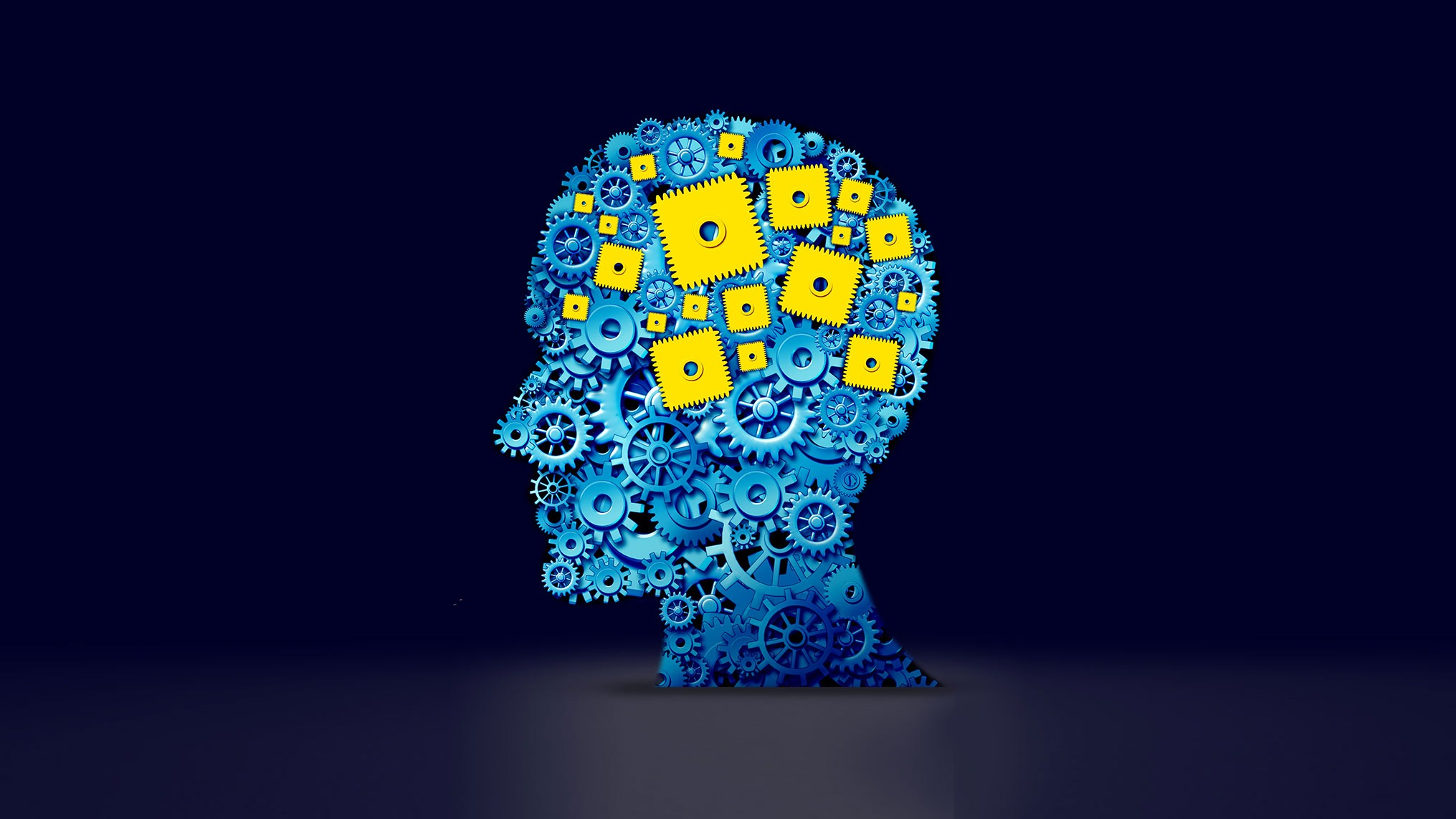
Organizations Rarely Outgrow the Emotional Maturity of Their Leaders
This is a sneak peek of this week’s Deep Dives article. Published today!
Every organization eventually becomes a reflection of the emotional psychology of the people leading it. That is the uncomfortable reality most businesses still refuse to confront. In this Deep Dive, we explore why leadership failures are often not strategic failures at all, but emotional maturity failures disguised as operational problems. From ego driven cultures and defensive leadership to fear based communication systems and psychological fragility at the top, this article examines how unresolved emotional patterns silently shape trust, innovation, accountability, and performance across entire organizations. If you have ever wondered why brilliant companies still become dysfunctional internally, this article will fundamentally change how you think about leadership.
Deep Dives Book Summary
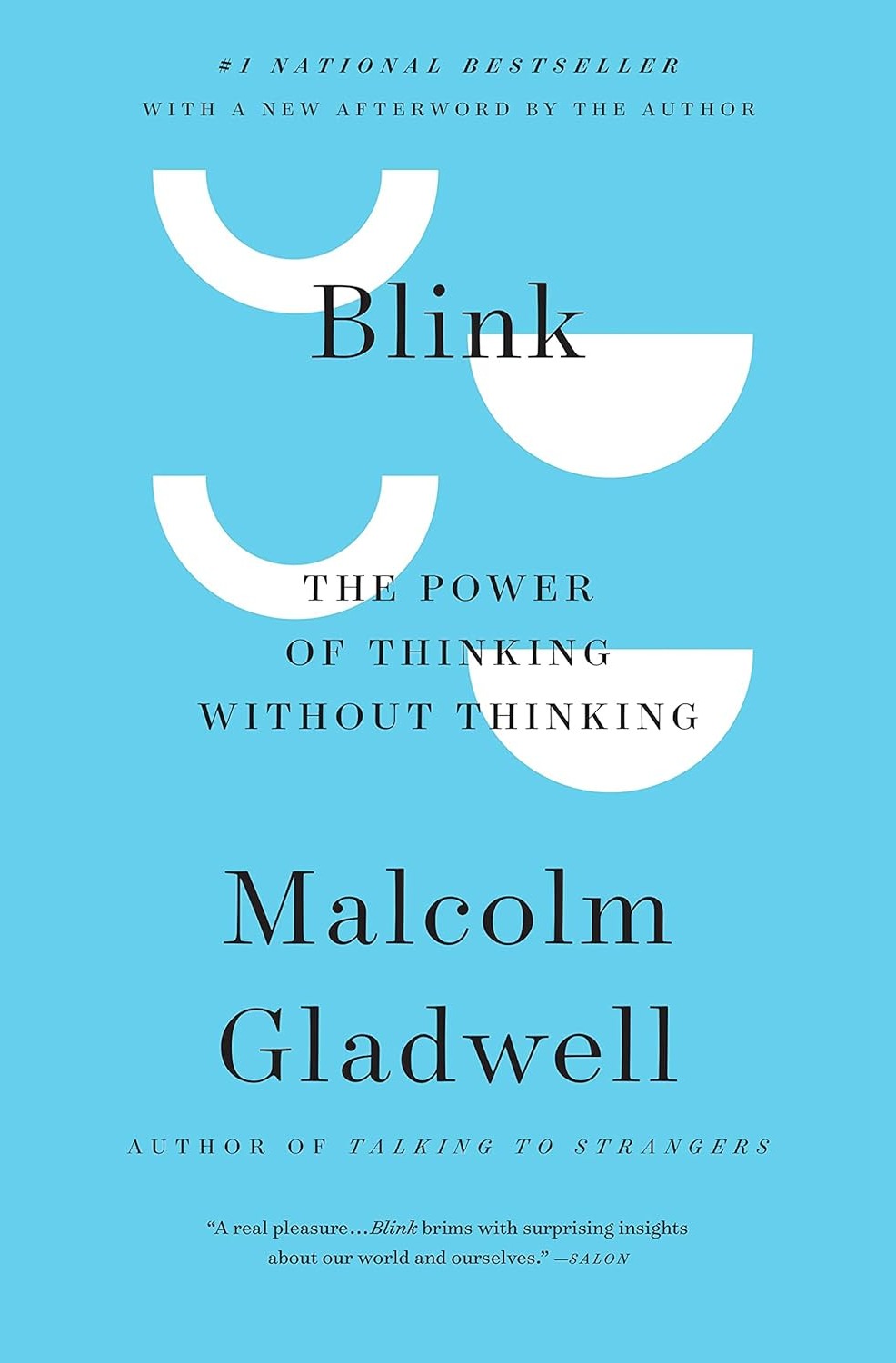
Blink: The Power of Thinking Without Thinking
By Malcolm Gladwell
This is a sneak peek of this week’s Deep Dives article. Published today!
What if some of your most important decisions are being made before you even realize you have made them? In this Deep Dive summary of Blink by Malcolm Gladwell, we explore the hidden psychology of rapid cognition, unconscious bias, intuition, and the strange science behind thinking without thinking. From split second judgments and emotional pattern recognition to the dangerous ways fear and stress distort perception, this summary unpacks why the human mind is both far smarter and far less rational than most people believe. If you want to understand how instincts shape leadership, relationships, hiring, performance, and decision making in ways that quietly control modern life, this is a must read.
Quick Reads
QUICK READ — EMOTIONAL INTELLIGENCE
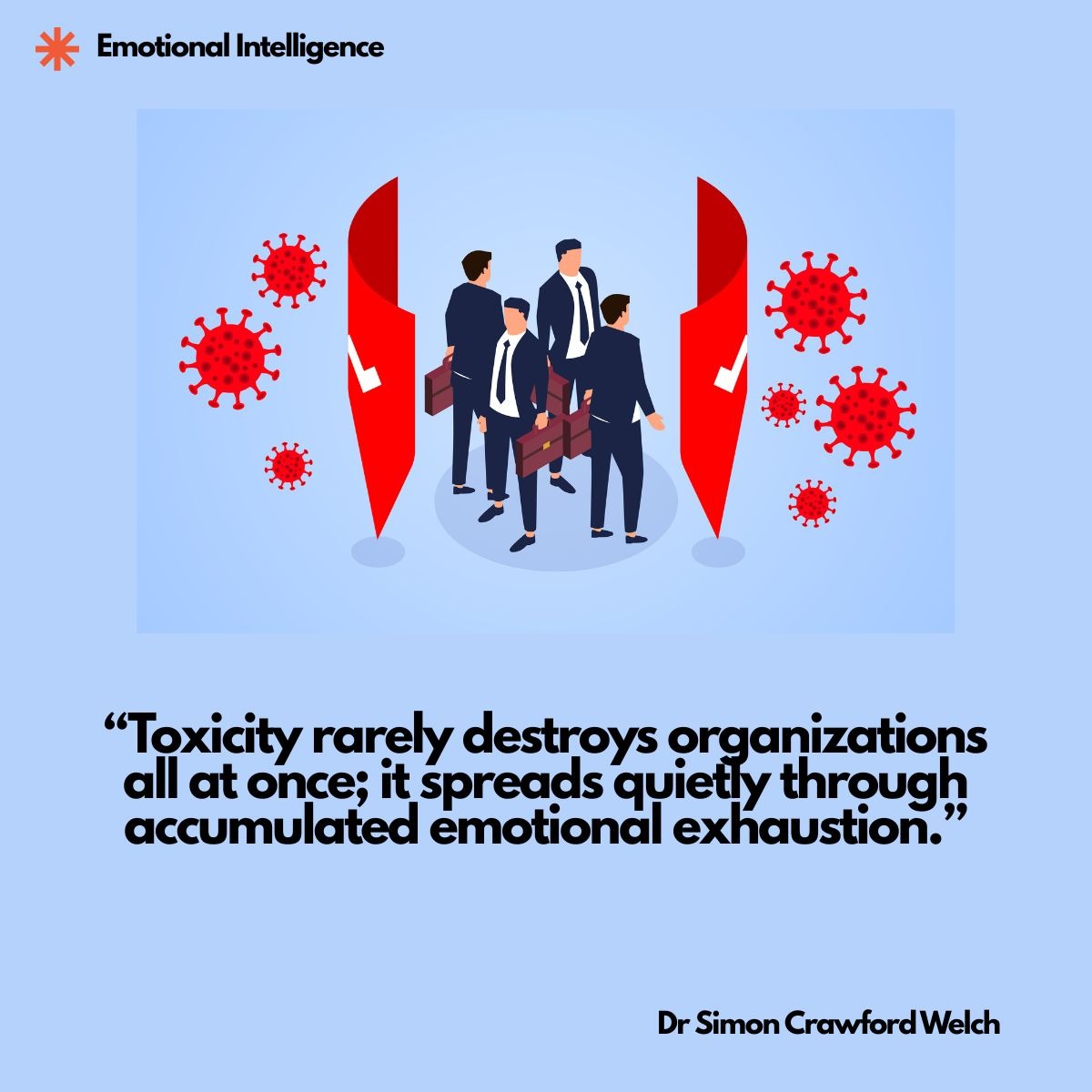
The Emotional Contagion Effect: How Toxic People Rewire Entire Teams
Every organization eventually tells itself the same comforting lie. The problem is strategy. The problem is execution. The problem is the market, the systems, the process, the compensation plan.
Almost nobody wants to admit the harder truth, which is that sometimes a company begins unraveling because of the emotional gravity of one person. One toxic person. Not necessarily the loudest, and not even the least competent. Toxicity often hides behind high performance, charisma, intelligence, or tenure. The person may look productive on paper. Yet somehow, after meetings with them, energy drops, conversations turn cautious, creativity narrows, and trust begins evaporating in microscopic increments.
And then something stranger happens. The toxicity spreads. Not metaphorically, but biologically, psychologically, and behaviorally, as entire teams reorganize themselves around emotional self-protection. What most leaders underestimate is that human beings do not merely exchange information. We exchange nervous system states.
The Invisible Transfer of Emotion
For decades, organizations treated emotion as secondary to performance. Rationality was the operating system of work, and emotion was interference. Modern neuroscience has largely dismantled that assumption. Research from Giacomo Rizzolatti on mirror neurons showed that humans are wired to absorb and reflect the emotional states of those around them. Studies from Sigal Barsade at Yale found that emotions spread through groups much like viruses, shaping cooperation, trust, conflict, and performance.
Moods, in other words, are not isolated experiences. They are social events. A consistently cynical leader can infect a culture with defensiveness. A chronically anxious manager can create organizational hypervigilance. Because human beings are adaptive, teams quietly calibrate around the dominant emotional patterns in the room. If one person punishes vulnerability, people stop speaking honestly. If one person weaponizes uncertainty, people stop taking risks. This is why toxic cultures rarely feel toxic at first. They feel exhausting.
The Cost of Self-Protection
One of the least discussed costs in business is the cognitive tax created by emotional dysfunction. In unstable environments, enormous mental bandwidth gets redirected away from the work and toward self-protection. People analyze tone instead of solving problems. They rehearse conversations, overthink emails, and avoid visibility. This is not laziness. It is threat management.
The nervous system does not sharply distinguish physical danger from social danger. Research from Naomi Eisenberger at UCLA found that social rejection activates many of the same neural pathways as physical pain. From an evolutionary view, exclusion from the tribe once meant death, and our biology still carries that reality. So meetings become performative, information gets withheld, accountability weakens, and smart people suddenly look indecisive. The organization begins consuming itself internally. Ironically, leaders often respond with more pressure, more KPIs, and more oversight, but pressure cannot solve emotional contamination. A dysregulated culture under pressure does not become more focused. It becomes more political.
Why Toxicity Hides in High Performers
One of the most dangerous myths in leadership is that competence offsets emotional damage. Many organizations tolerate toxic individuals because they deliver results: the top salesperson who humiliates colleagues, the brilliant executive who destabilizes every room, the founder whose volatility is excused as passion. This creates a catastrophic contradiction. The company begins signaling that emotional destruction is acceptable as long as it comes with output.
Eventually the culture adapts. People stop trusting stated values because observed behavior always outweighs written principles. They learn that performance buys immunity, and the organization starts promoting people optimized for political survival rather than collaboration. Fear can create short term intensity, but sustained toxicity corrodes trust, and trust is the infrastructure underneath every scalable system.
The Normalization of Dysfunction
Perhaps the most unsettling part of emotional contagion is how quickly people normalize unhealthy environments. The baseline shifts incrementally, and employees begin accepting behaviors they would have rejected six months earlier. The sociologist Diane Vaughan called this the normalization of deviance while studying the Challenger disaster. Small deviations from healthy standards become normal because catastrophe does not arrive immediately. Over time, the abnormal starts feeling ordinary.
The same thing happens emotionally inside organizations, until the culture itself becomes distorted. At that point, healthy people often leave first. That may be the cruelest paradox of all. Toxic systems do not merely damage people. They selectively repel emotionally healthy individuals while retaining those most willing to tolerate dysfunction.
The Leadership Mirror
Many leaders dramatically underestimate how emotionally observable they are. They believe employees only hear their words, when in reality teams absorb tension, inconsistency, and fear with astonishing precision. A leader who says “my door is always open” while radiating irritation teaches that honesty is unsafe. Culture is not created by slogans. It is created by repeated emotional experiences.
This is why self-awareness has become more than a soft skill. It is operational infrastructure. A regulated leader can create clarity during uncertainty, while a dysregulated leader can turn minor problems into organizational panic. Because in the end, teams do not simply execute strategy. They absorb emotion, mirror behavior, and become reflections of the emotional systems around them. Every leader is shaping culture whether they intend to or not. The real question is what exactly they are spreading.
QUICK READ — PERSONAL DEVELOPMENT
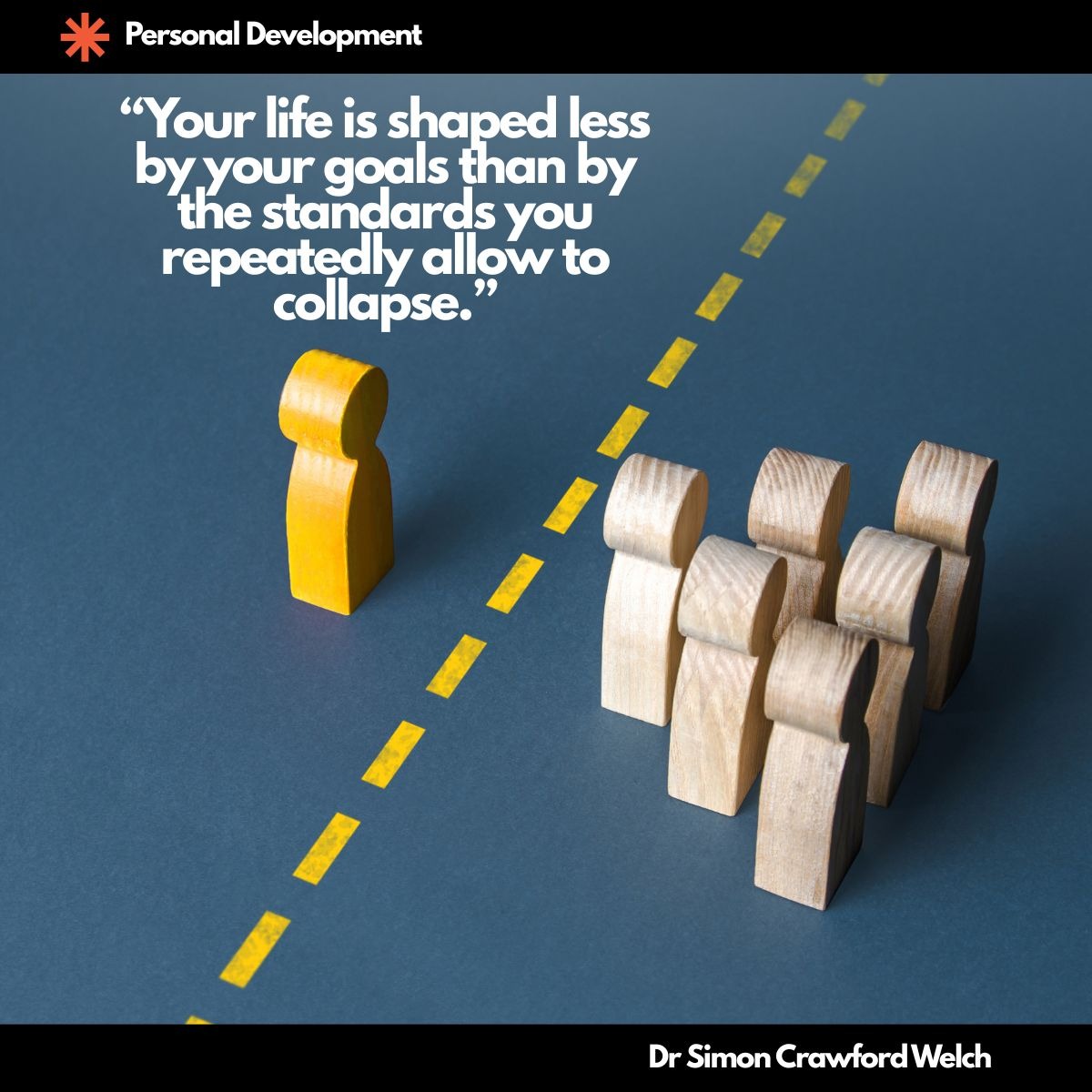
You Become What You Tolerate
Most people think transformation happens through ambition. They believe their lives are shaped by goals, discipline, intelligence, and opportunity, and self-improvement culture reinforces this constantly. Read the books, build better habits, wake up earlier, think bigger, execute harder.
But there is another force shaping human identity that receives far less attention, despite quietly influencing nearly every part of a life. Tolerance. Not what you pursue, but what you permit. What you excuse repeatedly, what you normalize emotionally, what you keep allowing long after your instincts warned you otherwise. Over time, human beings are shaped less by their aspirations than by the environments, relationships, and compromises they continuously accept. You eventually become what you tolerate.
The Slow Drift of Identity
One illusion of adulthood is the belief that people stay fundamentally stable while navigating unhealthy environments. We assume we can stand near dysfunction without absorbing it. Psychology suggests otherwise. The brain constantly recalibrates to repeated experience. Behaviors that initially feel uncomfortable gradually become familiar, and familiarity then mutates into normalcy.
This rarely feels dramatic while it happens. Nobody wakes up one morning and decides to lower their standards or abandon their boundaries. The shift occurs incrementally, through small acts of emotional accommodation: the friend who constantly disrespects you, the relationship that drains more than it gives, the workplace where anxiety becomes routine. At first the mind protests. But if exposure continues long enough, the unacceptable starts feeling ordinary. We become shaped by repeated conditions whether we consciously approve of them or not.
The Cost of Chronic Compromise
There is a hidden exhaustion that comes from tolerating things that violate your deeper instincts. Most people assume stress comes from workload or responsibility. A tremendous amount of emotional fatigue actually comes from sustained internal contradiction, from pretending something is acceptable when part of you knows it is not.
This contradiction splits the mind between what it feels and what it performs publicly, and over time it erodes self-trust. That may be the most dangerous consequence of unhealthy tolerance: you stop believing your own internal signals. Psychologists studying learned helplessness found that when people repeatedly experience situations where their discomfort changes nothing, they gradually stop trying to change their circumstances at all. Agency weakens, and resignation replaces resistance. People tolerate manipulative relationships because confrontation feels exhausting, and tolerate lives that no longer fit because familiarity feels safer than disruption.
Every Environment Trains You
Most people think environments are passive backgrounds. In reality, environments are behavioral conditioning systems. Every culture, relationship, and repeated interaction trains you. The question is not whether your environment is influencing you. It is what it is teaching you to become.
A chaotic environment trains hypervigilance. A dishonest environment trains guardedness. A transactional environment trains emotional detachment. An emotionally unsafe environment trains self-censorship. This is why prolonged exposure to unhealthy systems changes people in ways they fail to recognize until years later. They may still look like themselves, but their emotional operating system has adapted for survival rather than growth. The tragedy is that adaptation can masquerade as maturity. People call it being realistic, or learning how the world works, when sometimes it is simply emotional erosion wearing the disguise of wisdom.
The Seduction of Gradual Decline
Human beings are surprisingly poor at noticing slow deterioration. The brain is highly sensitive to sudden threats but remarkably tolerant of gradual decline, which is one reason toxic relationships and destructive habits persist for years. The standards slip slowly, the exhaustion accumulates quietly, and the joy disappears subtly, until people wake up inside lives they barely recognize.
The same process explains why organizations drift into dysfunction gradually rather than collapsing instantly. Small acts of tolerated mediocrity compound. So do small personal compromises. A person who tolerates constant disrespect eventually lowers their expectations for love. A person who tolerates environments that suppress authenticity eventually forgets who they were before adaptation began.
Boundaries Are Identity Decisions
Modern culture often frames boundaries as communication tools. In reality, they are identity decisions. They determine which conditions you allow to shape your nervous system, your thinking, and your future. When you tolerate manipulation, you teach yourself your feelings are negotiable. When you tolerate chronic disrespect, you teach yourself your dignity is flexible. Boundaries are not fundamentally about controlling other people. They are about preserving psychological coherence.
Real transformation often begins not with addition, but subtraction. Not with becoming more, but with refusing more. Refusing environments that shrink you, relationships that distort you, and cultures that reward performative survival over authentic living. This is harder than self-help culture admits, because people experience the pain of loss more strongly than the pleasure of gain, and even unhealthy familiarity can feel safer than uncertain freedom. But eventually everyone confronts a defining question: what is this environment teaching me to become? People rarely drift accidentally into extraordinary lives, but they often drift accidentally into diminished ones. Not because they lacked ambition. Because they tolerated too much for too long.
QUICK READ — LEADERSHIP
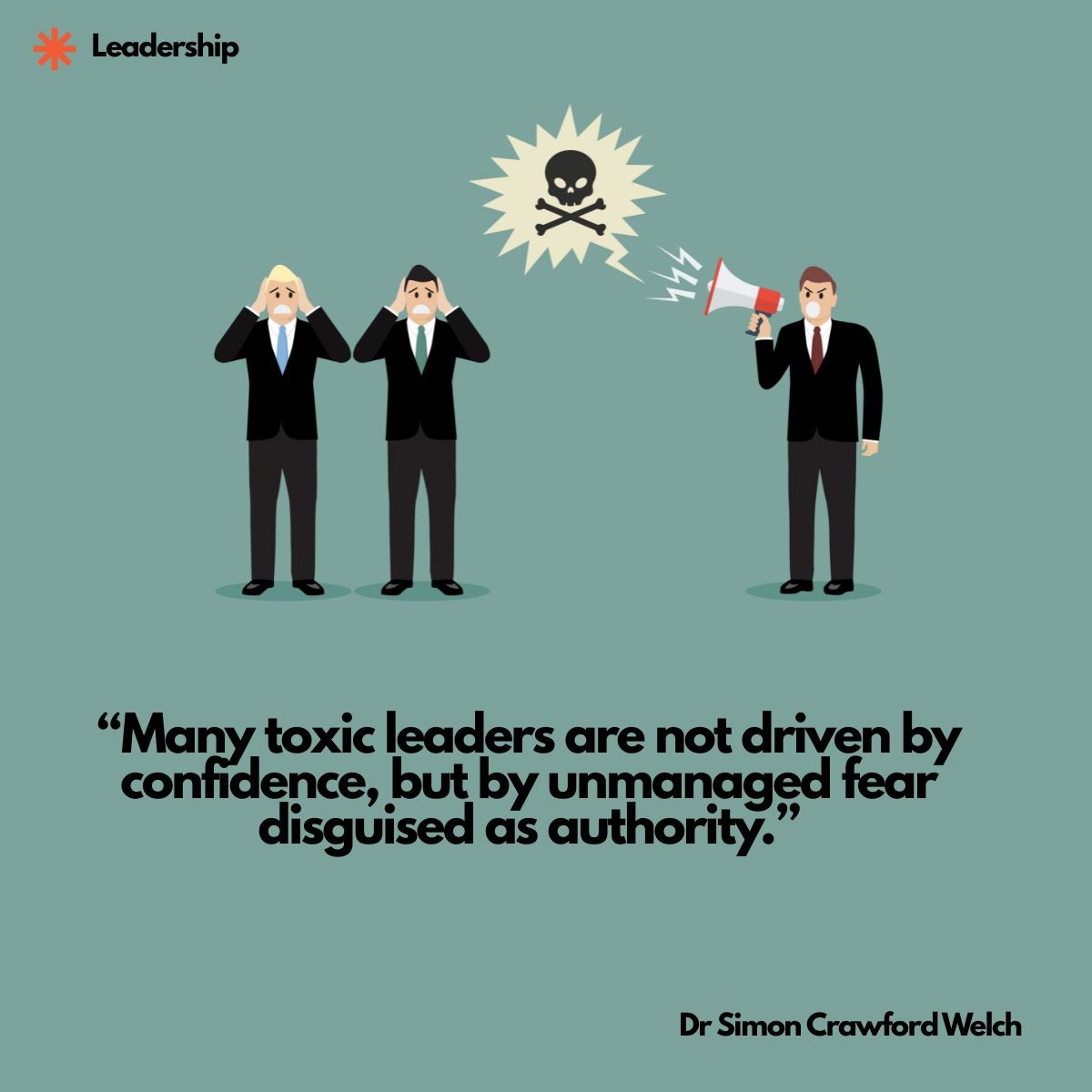
Why Toxic Leaders Often Mistake Control for Strength
There is a particular kind of leader modern organizations keep rewarding, despite mounting evidence that they quietly damage the systems they are trying to strengthen. They are decisive, intense, and highly demanding. They move quickly, challenge aggressively, and keep tight control over people, information, and decisions. In many environments they are admired because they create visible motion. They look authoritative and certain. For a while, they often produce results.
This is why toxic leadership is so hard to identify early. Control frequently masquerades as competence. In the short term, controlling leaders can create clarity and urgency. Teams move faster because fewer decisions are debated, conflict gets suppressed before it surfaces, and people comply because resistance feels unsafe. From the outside, this can look like strength. But over time, creativity contracts, information quality deteriorates, and fear quietly replaces trust as the dominant organizing force. Eventually the organization stops functioning as a network of intelligent people and starts functioning as an extension of one person’s emotional needs. The tighter the control becomes, the weaker the organization often gets.
The Psychology Behind Control
Most toxic leadership does not begin with cruelty. It begins with fear. Fear of uncertainty, failure, irrelevance, or the loss of status and identity. Control becomes the emotional strategy used to manage that fear. Psychologists have long understood that people try to control their external environment when they feel internally unstable. In leadership, authority amplifies this, because power lets individuals externalize their coping mechanisms onto an entire organization.
A leader who struggles with insecurity may become obsessed with visibility and approval. One uncomfortable with uncertainty may micromanage every detail. One who fears vulnerability may punish disagreement. The behavior looks strategic from the outside, but psychologically it is often defensive. This is why controlling leaders frequently interpret independent thinking as disloyalty. They experience challenge not as intellectual friction but as emotional threat, and the organization slowly reorganizes around protecting the leader’s self-perception.
The Illusion of Competence
Control feels productive because it produces immediate compliance. Employees respond quickly, meetings get shorter, processes look tighter, and metrics may even improve temporarily because fear increases short term execution intensity. This creates a dangerous illusion. The leader begins believing their control is what makes the organization successful.
What they fail to see is the hidden cost accumulating underneath the visible order. When people stop feeling psychologically safe, information quality collapses. They filter reality before presenting it upward. Bad news arrives late, risks go unspoken, and employees optimize for political survival rather than organizational truth. The organization becomes informationally blind. Researchers analyzing disasters from the Challenger explosion to the collapse of Enron have found the same pattern: cultures of excessive control suppress dissent and distort information flow. People stop saying what is true and start saying what is safest, and toxic leaders often misread that silence as alignment.
Authority Is Not Strength
One of the most misunderstood ideas in leadership is the relationship between authority and strength. Authority can force compliance, while strength creates trust. Authority can silence disagreement, while strength can absorb it without destabilizing. The toxic leader confuses obedience with respect because both produce outward order, but they are profoundly different systems. Obedience is fragile and depends on consequences. Respect is durable and survives pressure.
This matters because organizations running primarily on fear lose adaptability. Employees become risk averse, innovation declines, and accountability weakens as people prioritize self-preservation over honesty. The leader may still look powerful while the organization becomes brittle underneath.
The Fear of Human Autonomy
Micromanagement is usually framed as a productivity issue. In reality it is an emotional one, reflecting discomfort with uncertainty and human autonomy. Healthy leadership requires tolerating the fact that other intelligent people will think, solve, and occasionally fail differently. That takes emotional security. Toxic leaders often lack it, so standardization becomes self-protection disguised as discipline. Employees stop exercising judgment because deviation feels dangerous, and the controlling leader reads that passivity as proof that even more oversight is needed. The cycle feeds itself.
The Fragility Hidden Inside
One of the greatest misconceptions about toxic leaders is that they are emotionally strong. Many are emotionally fragile. Their aggression masks insecurity, their dominance masks fear, and their intolerance for dissent reflects low resilience rather than confidence. Emotionally secure leaders do not need constant validation of authority, because their identity is not threatened by disagreement. They can absorb friction without experiencing it as ego destabilization.
Leadership behavior never stays isolated at the top. It spreads. A controlling leader eventually creates controlling managers, and a fear-driven culture eventually produces political employees. The hardest part of leadership is not making decisions. It is managing yourself: your fear, your ego, your need for certainty, and your reactions under pressure. An organization eventually becomes an amplification of the emotional patterns tolerated at the top. Strength is not the ability to dominate a room. It is the ability to create environments where other people no longer feel dominated by it.
Quotes of the Week
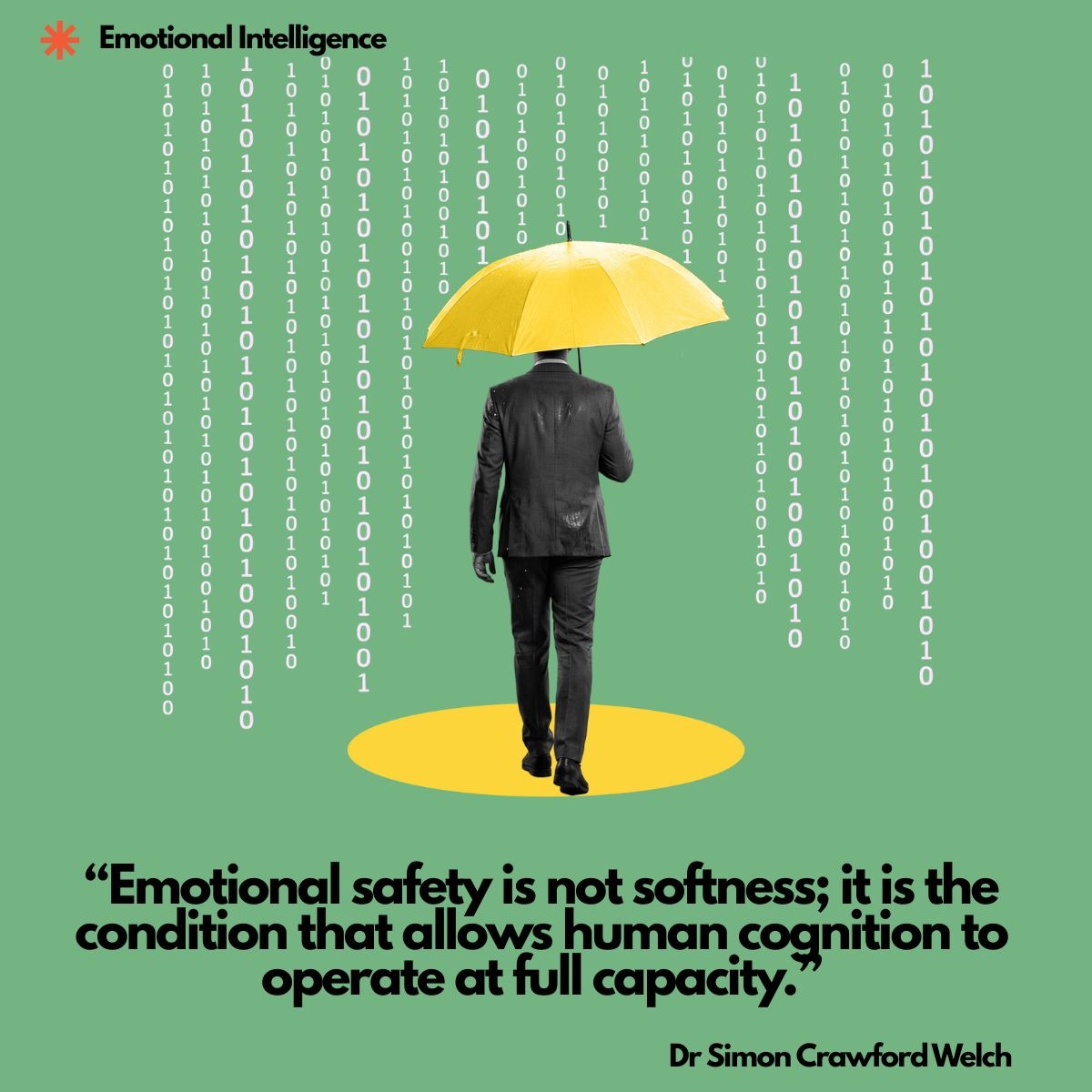
QUOTE — EMOTIONAL INTELLIGENCE
QUOTE — PERSONAL DEVELOPMENT
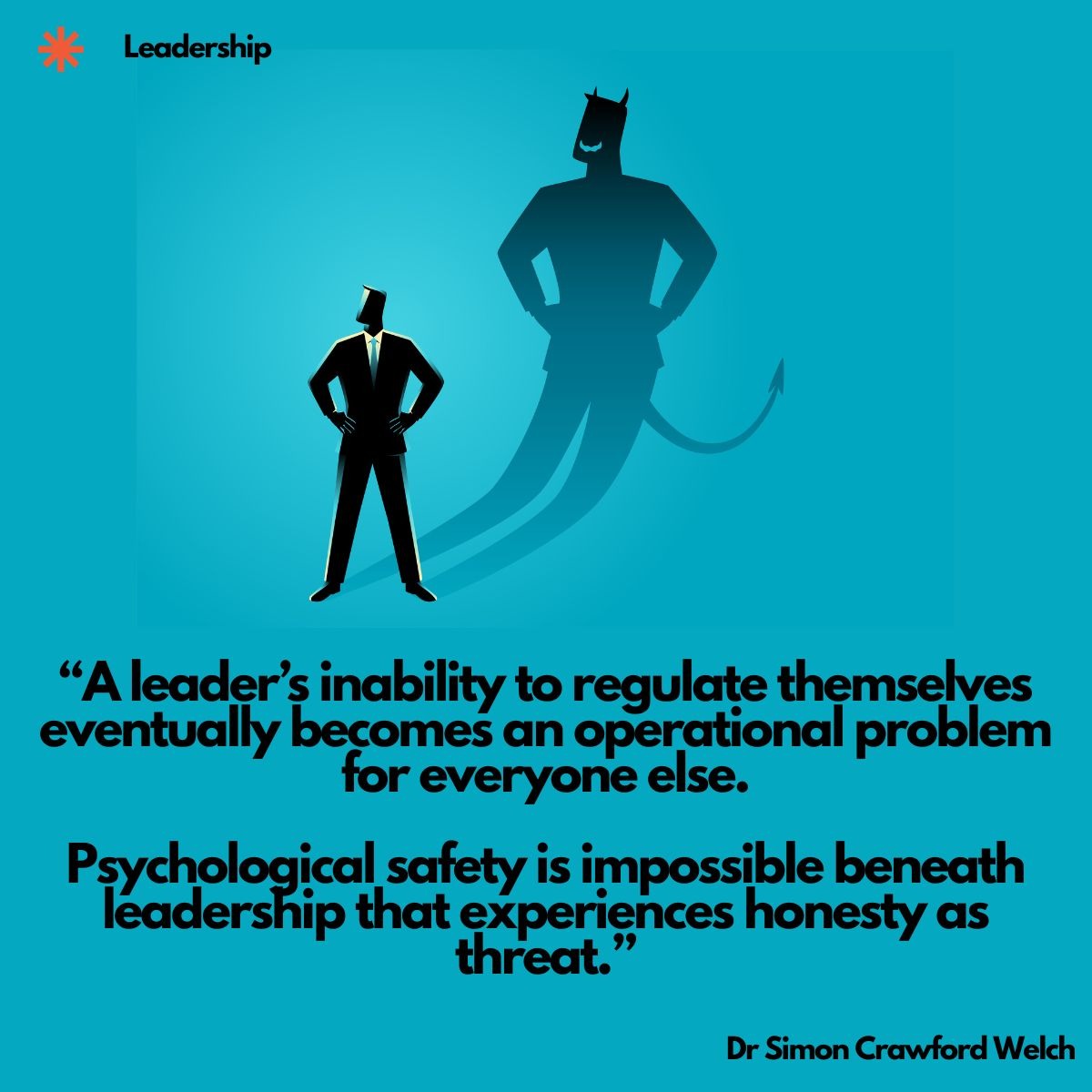
QUOTE — LEADERSHIP
Reframe
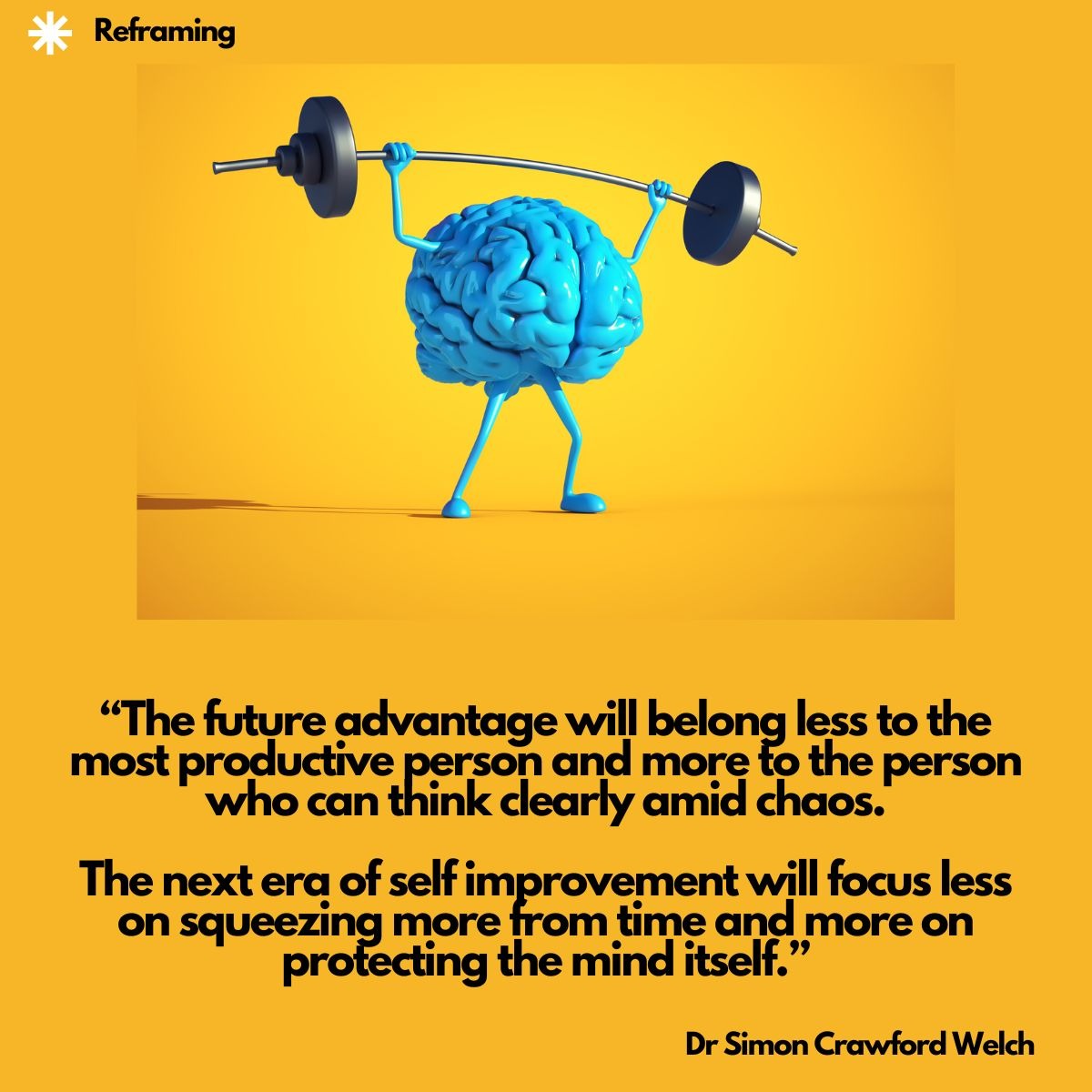
From Productivity to Mental Capacity: The Next Era of Self-Improvement
For years, self-improvement culture has revolved around a single obsession: productivity. How to wake up earlier, optimize routines, execute faster, and squeeze more output from every hour. Entire industries emerged promising efficiency through apps, planners, supplements, and increasingly elaborate forms of personal optimization. The assumption underneath all of it seemed obvious. The people who succeed are the people who can do more.
But something strange has happened. Despite unprecedented access to productivity tools, many people feel mentally weaker, emotionally exhausted, and cognitively overloaded. The modern worker can process more information than ever while struggling to think deeply about any of it. This contradiction is forcing a deeper question into the open. What if the future of self-improvement is not primarily about productivity at all? What if the real competitive advantage of the next decade becomes mental capacity? Not output, but capacity: the ability to think clearly under pressure, sustain focus amid noise, regulate emotion during uncertainty, and hold complexity without collapsing into overwhelm.
The Productivity Era Is Reaching Its Limits
The productivity movement emerged from an industrial worldview. Efficiency was king, more output meant more value, and human beings increasingly treated themselves like machines with expandable throughput. For a while this produced extraordinary gains. But every system eventually meets diminishing returns. The problem today is not merely a lack of efficiency. It is cognitive saturation.
People are drowning in inputs. Messages, notifications, emails, news cycles, dashboards, and infinite scrolling streams compete constantly for psychological bandwidth. According to researchers at the University of California, Irvine, workplace interruptions occur roughly every three minutes, while studies from Microsoft and Harvard suggest sustained focus is collapsing across modern knowledge work. The bottleneck is no longer access to information. The bottleneck is the human nervous system itself.
Attention Is Becoming Infrastructure
One defining realization of the modern era is that attention is not simply a personal resource. It is economic infrastructure. Entire industries now compete directly for cognitive real estate, and the result is a civilization optimized for stimulation rather than reflection. This matters because cognition depends on mental recovery, uninterrupted focus, and emotional regulation. The brain was not designed for perpetual context switching.
Neuroscientists studying attention have found that chronic interruption degrades working memory, increases stress hormones, weakens deep thinking, and impairs learning. The cost is not simply distraction. It is cognitive fragmentation. People feel busy while losing the ability to think clearly, which is why so many high performers describe a strange exhaustion that sleep alone does not solve. Their minds are overloaded not merely from effort, but from constant psychological exposure.
Mental Capacity Is More Than Intelligence
One of the great misconceptions of modern culture is confusing intelligence with mental capacity. They are related but not identical. A person may possess extraordinary intelligence while lacking the emotional regulation needed to think clearly under stress. Mental capacity involves the integration of multiple human systems at once: attention, emotional regulation, stress tolerance, cognitive endurance, decision making under ambiguity, and the ability to recover after overload.
This is why many people who appear successful externally still feel internally overwhelmed. Productivity can coexist with cognitive fragility. In fact, excessive productivity culture sometimes accelerates that fragility, because it trains people to prioritize output while neglecting the systems supporting cognition itself. The result is a generation highly optimized for activity but underdeveloped in psychological endurance.
The Nervous System Economy
The next era of self-improvement may revolve less around time management and more around nervous system management. That sounds abstract until you recognize how profoundly emotional states influence cognition. An anxious mind processes information differently than a calm one. Chronic stress narrows perception, weakens creativity, and reduces strategic thinking. Many people are trying to solve increasingly complex problems with chronically dysregulated nervous systems. Leaders struggle to think strategically because they are trapped in reactive overload, and individuals mistake stimulation for meaning because silence itself has become uncomfortable. The future likely belongs not to those who consume the most information, but to those who can metabolize complexity without becoming fragmented by it.
The Return of Depth
Deep thinking feels increasingly rare because modern systems reward immediacy. Fast opinions outperform thoughtful reflection, and platforms incentivize emotional stimulation because outrage and novelty generate engagement more efficiently than nuance. Yet complexity, wisdom, and important decisions all require depth. The philosopher Herbert Simon once warned that a wealth of information creates a poverty of attention, an insight that has become startlingly prophetic. This is why practices once seen as optional, such as silence, reflection, focused reading, and solitude, are becoming essential forms of cognitive preservation. They are acts of resistance against systems designed to fragment human awareness.
The most important question self-improvement culture rarely asks is what all this optimization is actually for. A person can optimize themselves directly into emotional exhaustion. The next era may require a philosophical shift as much as a practical one: away from endless acceleration and toward sustainable cognitive strength, away from measuring life purely by output and toward measuring the quality of attention itself. Because in the end, the greatest threat facing modern individuals may not be laziness. It may be fragmentation, a civilization increasingly capable of processing information while gradually losing the capacity to process reality.