
Deep Dives Articles
DEEP DIVES ARTICLE — EMOTIONAL INTELLIGENCE

The Latency Problem: Why Slow Emotional Processing Kills Momentum
This is a sneak peek of this week’s Deep Dives article. Published today!
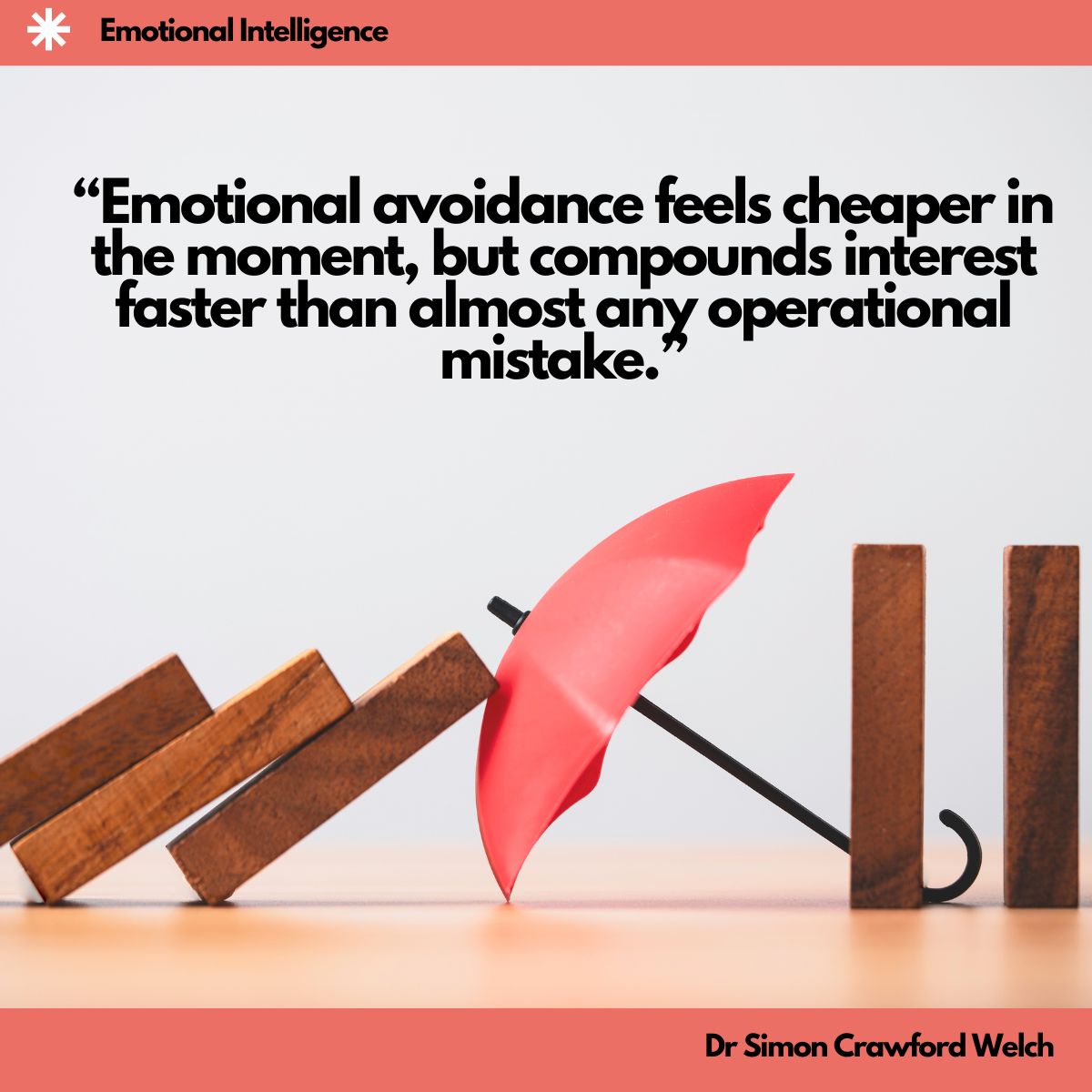
Most organizations think their biggest problem is execution speed. It usually isn’t. The real bottleneck is emotional latency, the unresolved tension, avoided conversations, passive resentment, and psychological drag silently slowing everything underneath the surface. In this Deep Dive, we explore why some teams seem to move with extraordinary momentum while others feel heavy no matter how talented the people are. This is not an article about workplace feelings. It is an article about hidden operational gravity, emotional debt, leadership avoidance, and the shocking amount of organizational energy lost to unresolved human friction. Once you see it, you cannot unsee it.
DEEP DIVES ARTICLE — PERSONAL DEVELOPMENT

The Hidden Math of Human Life: Why Success Can Still Produce Emotional Bankruptcy
This is a sneak peek of this week’s Deep Dives article. Published today!
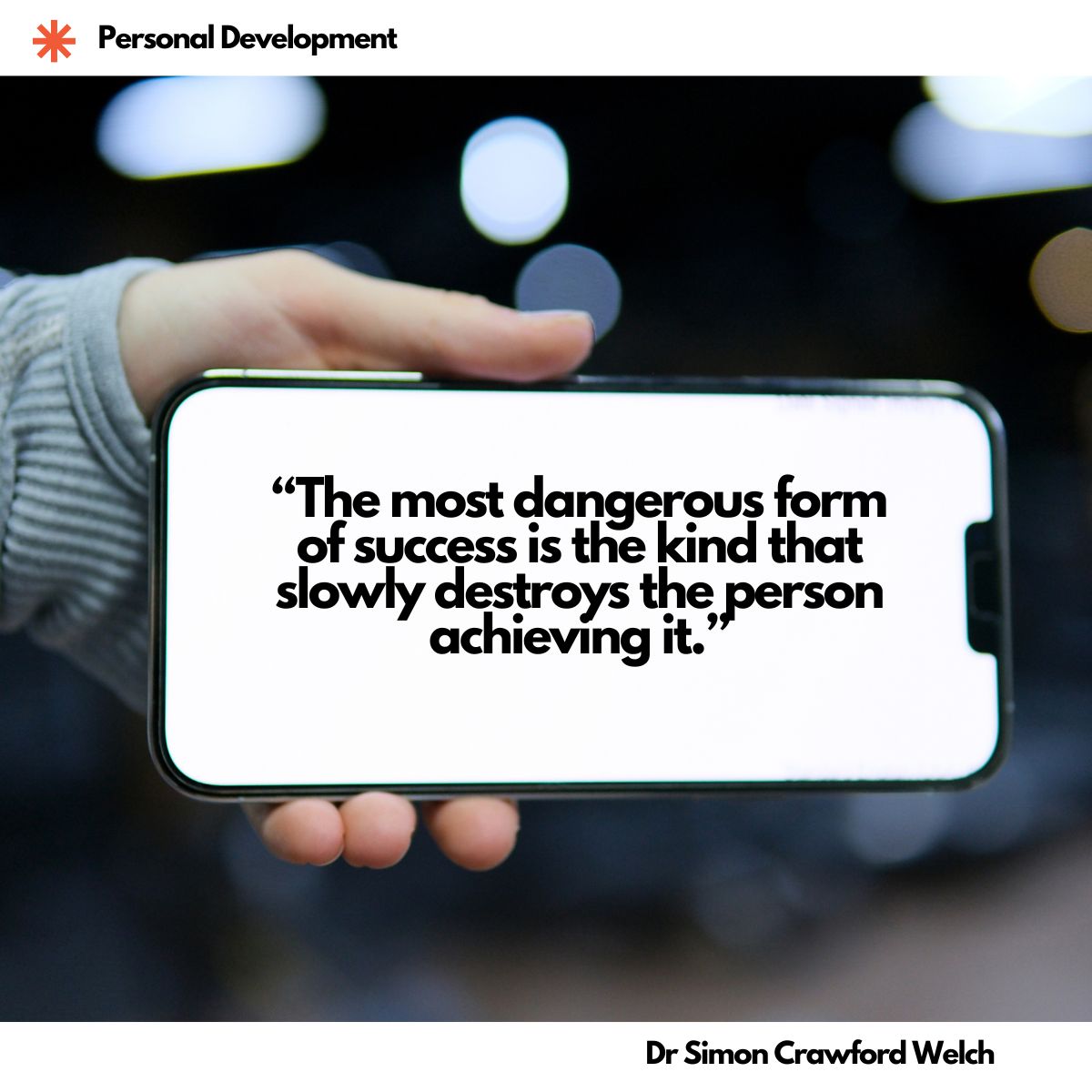
What if your life is running at a loss, and you simply have not measured the hidden costs yet? Modern culture teaches people to track income, followers, promotions, and productivity while ignoring the deeper economics underneath their existence. Emotional depletion. Attention fragmentation. Relationship erosion. Cognitive overload. In this provocative Deep Dive, we explore the idea that every life has unit economics whether people acknowledge them or not. Some behaviors compound meaning, energy, and clarity over time. Others quietly create emotional bankruptcy beneath outward success. This article will fundamentally change the way you think about ambition, burnout, achievement, and the true cost of modern living.
DEEP DIVES ARTICLE — LEADERSHIP

Why Judgment Is Becoming the Defining Leadership Skill
This is a sneak peek of this week’s Deep Dives article. Published today!
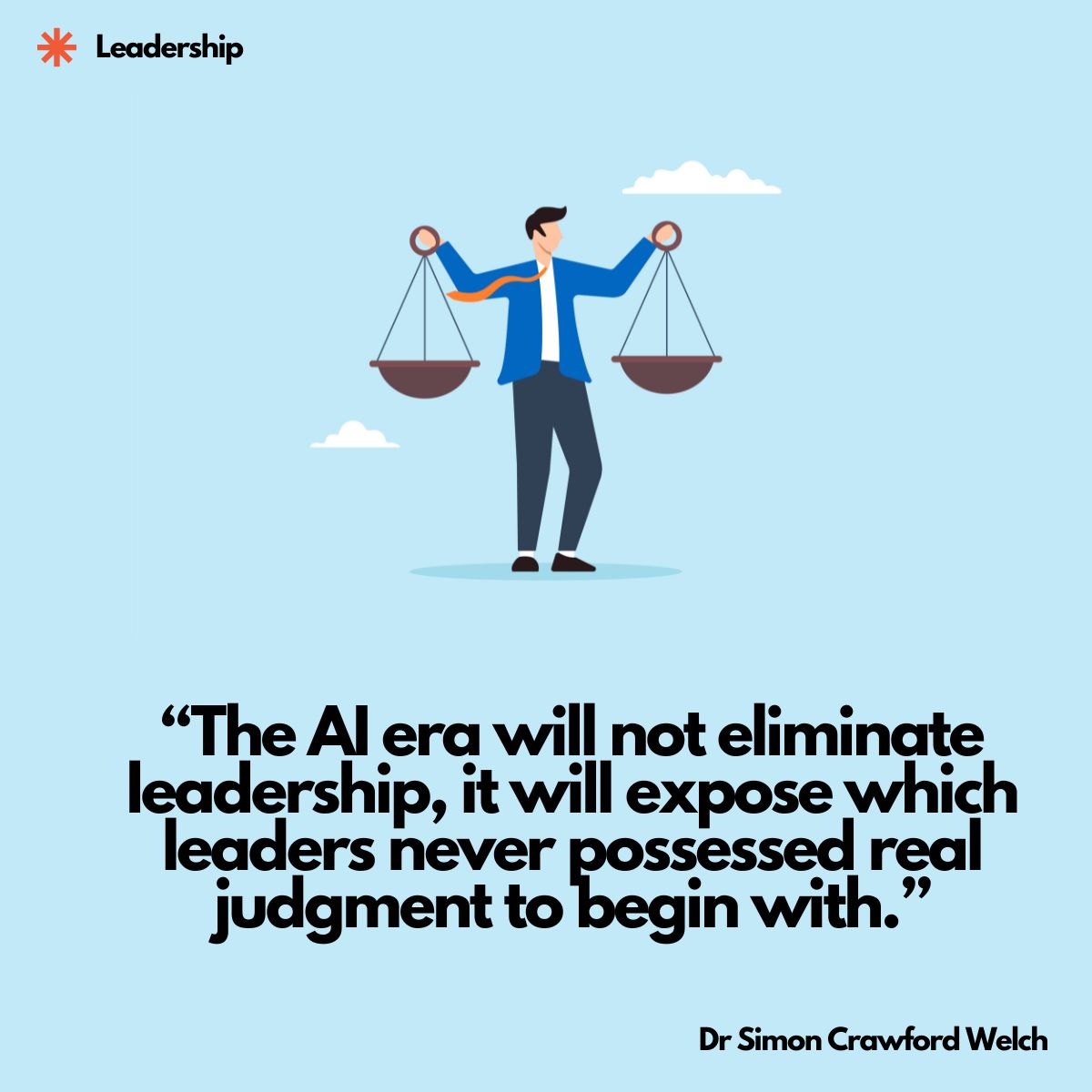
Artificial intelligence is making information abundant. That means judgment is becoming rare. In a world flooded with data, dashboards, analysis, opinions, algorithms, and synthetic certainty, the leaders who thrive will not necessarily be the smartest people in the room. They will be the ones capable of seeing clearly through noise, distortion, emotional reactivity, and false confidence. This Deep Dive explores why judgment, not intelligence, may become the defining leadership skill of the next decade. We examine the dangerous difference between being informed and being wise, how technology is quietly eroding discernment, and why emotional regulation may soon matter more than raw IQ.
Deep Dives Book Summary
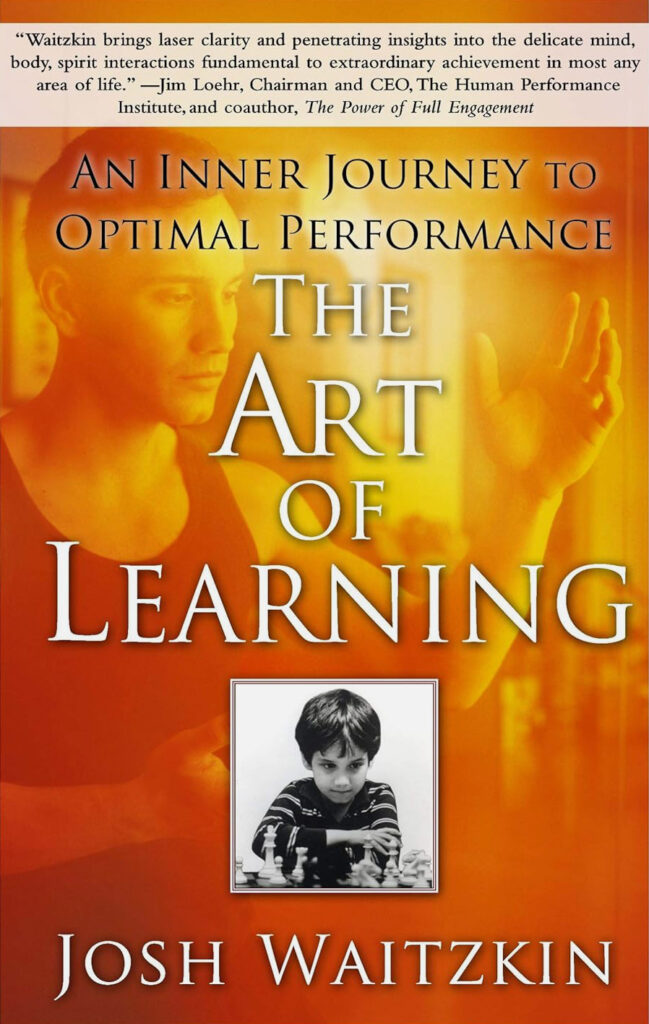
The Art of Learning: A Journey in the Pursuit of Excellence
By Josh Waitzkin
This is a sneak peek of this week’s Deep Dives article. Published today!
Most people think mastery is about talent. Josh Waitzkin argues it is actually about something far deeper, the ability to remain calm under pressure, learn through failure, adapt continuously, and build internal systems for growth that compound over a lifetime. In this Deep Dive summary of The Art of Learning, we explore why elite performers across chess, martial arts, business, and leadership often share the same psychological architecture beneath the surface. This is not just a book about competition. It is a blueprint for resilience, focus, emotional regulation, and sustained excellence in a distracted world.
Quick Reads
quick read — Emotional intelligence
From Reaction to Response: Building Emotional Systems That Scale
Modern organizations have become extraordinarily good at scaling information, systems, and operational efficiency, yet many remain emotionally primitive. They automate workflows across continents and generate real time dashboards for almost every measurable variable. But when pressure rises and uncertainty enters the room, the emotional operating system often collapses into something fragile.
People react. Leaders react. Teams react. Entire organizations react.
Meetings become emotional weather patterns instead of strategic discussions. Decisions get distorted by urgency, ego protection, and exhaustion. Small misunderstandings expand into political tension. The organization looks advanced on the surface, but underneath it still runs on ancient emotional circuitry. Most companies scale processes before they scale emotional capacity, and eventually reaction replaces response. The distinction sounds subtle, but it changes everything.
The Hidden Cost of Emotional Reactivity
Reaction is immediate, instinctive, and contagious. Response is deliberate, reflective, and stabilizing. One amplifies chaos; the other absorbs it. Yet most organizations unknowingly reward reaction. Fast replies read as engagement. Constant availability reads as commitment. Emotional intensity gets mistaken for passion.
Psychologists call this emotional contagion, the phenomenon where emotional states spread rapidly through groups. Research from Sigal Barsade at Yale showed that emotions inside teams are highly transmissible, often shaping performance more than technical competence. One anxious executive can quietly infect an entire leadership team. And technology accelerates the spread: a tense message sent at 11:42 PM can alter the tone of an entire department before sunrise. This is why reactive organizations feel exhausting even when the numbers look healthy. Employees are not just processing tasks. They are processing unmanaged emotional volatility at scale.
Why High Performance Often Creates Fragility
High achievement does not automatically produce emotional resilience. Sometimes it produces the opposite. Many high performers build their identities around control, certainty, and forward momentum. Those traits create exceptional execution under stable conditions, but become brittle when ambiguity rises. As organizations grow, scale introduces unpredictability, decision cycles shorten, and context disappears. Emotionally immature systems compensate through urgency, micromanagement, and blame.
The organizational theorist Chris Argyris called these defensive routines, behaviors companies develop to protect themselves from discomfort. The irony is that these defenses prevent learning and honest dialogue. Teams claim to value candor but punish honesty. Leaders encourage challenge but reward agreement. Eventually everyone feels the tension, even if nobody says it aloud.
Emotional Systems Are Operational Systems
One of the biggest mistakes executives make is treating emotional dynamics as separate from operational performance. They are deeply intertwined. A company’s emotional system determines how fast problems surface, how honestly information flows, and how safely people challenge assumptions. When the cost of speaking openly gets too high, employees self censor, managers filter information upward, and operational blindness emerges. The issue is not incompetence. It is emotional architecture.
This is why emotionally mature organizations often outperform more technically sophisticated competitors over time. Ray Dalio formalized a version of this at Bridgewater through radical transparency. Elite aviation crews train it through cockpit systems designed to stop emotional hierarchy from overriding truth. These systems are not built around comfort. They are built around emotional stability in service of clarity. Emotional intelligence here is not about being nice. It is about reducing distortion under pressure.
Building Response Into the System
Organizations do not become resilient by accident. They build it through culture, structure, and leadership behavior, starting by slowing emotional escalation. Not every message requires immediate reaction. Not every disagreement requires interpretation. Healthy organizations create space between stimulus and response. This gets harder as technology rewards velocity over reflection, which is why mature leadership often feels calmer. These leaders understand that panic scales faster than wisdom.
It also requires separating identity from feedback. When criticism feels like personal invalidation, learning becomes nearly impossible. Resilient systems normalize intellectual friction without triggering emotional warfare. As AI automates more cognitive functions, the human differentiator shifts toward emotional regulation, judgment, and trust. Under stress, most people do not rise to their ideals. They fall to the emotional architecture of the system around them.
The Organizations That Will Endure
The next generation of resilient organizations will still move fast and pursue performance, but they will understand that human systems cannot scale indefinitely on unmanaged emotional volatility. Eventually the hidden costs surface. Burnout rises, trust deteriorates, and employees disengage emotionally long before they resign physically. Emotional systems are not soft variables adjacent to performance. They are foundational infrastructure beneath it. Every organization becomes an amplifier of either reaction or response, and in a world dominated by speed and noise, the ones that endure may be those that learned to stay emotionally coherent while everything around them accelerated.
quick read — Personal development
Personal Throughput: How to Increase Output Without Burning Out
Modern culture has developed an almost religious obsession with output. Move faster. Produce more. Optimize harder. Sleep less. Scale yourself. Productivity has become one of the dominant moral languages of modern life. People no longer merely work; they quantify themselves. Steps tracked, hours optimized, inbox zero pursued like spiritual enlightenment. Even rest has become performance oriented, valued not for its own sake but as fuel for future output.
At first glance this appears rational. The modern economy rewards leverage, responsiveness, and speed, and technology lets a single person operate at a scale that once required entire organizations. But hidden beneath that expansion is a quieter reality. Human throughput is not infinitely scalable. Most burnout does not happen because people are weak. It happens because they misunderstand sustainable output, optimizing for visible productivity while ignoring the invisible systems that make productivity possible. This is the paradox of modern performance culture: the harder people chase output directly, the more fragile their capacity becomes.
The Industrialization of Human Attention
The modern workplace increasingly treats human attention like industrial machinery. Every hour is expected to produce measurable value, and even thinking is under pressure to justify itself through visible outcomes. Yet most meaningful intellectual breakthroughs did not emerge from constant acceleration. Darwin took long walks daily. Einstein relied on reflection and mental wandering. The human mind evolved for rhythmic cycles, not perpetual cognitive sprinting.
Neuroscience supports this. Research on cognitive fatigue shows that executive function deteriorates under prolonged demand: decision quality declines, creativity narrows, attention fragments. Yet productivity culture interprets these signals as personal failure rather than biology. People try to overpower exhaustion with more caffeine, more systems, more discipline, becoming managers of their own depletion. Ironically, this reduces total throughput. A person operating at 70 percent consistently for years will usually outperform someone oscillating between overdrive and collapse, but consistency lacks the cultural glamour of intensity.
Throughput Is More Than Time Management
One of the great misconceptions about productivity is that output is mainly a function of time allocation. In reality, throughput depends far more on energy quality, emotional coherence, focus, and recovery capacity. Two people can work the same hours and produce radically different outcomes.
Psychologists studying cognitive load have long observed that mental bandwidth is consumed not only by tasks but by unresolved emotional tension, decision fatigue, and chronic stress. This is why burnout confuses high achievers: their calendars may look reasonable, yet internally they carry enormous invisible loads. A 2023 Microsoft study found the average employee is interrupted roughly every two minutes by meetings, emails, and notifications. The brain spends enormous energy repeatedly reorienting itself. Many people are not burning out from effort alone. They are burning out from constant mental reopening.
The Psychology of Self Extraction
There is also a deeper psychological layer. Many ambitious people unconsciously build identities around usefulness and output, fusing achievement with self worth. Rest then begins to feel threatening, slowness irresponsible, recovery contaminated by guilt. In extreme cases, people extract from themselves the way poorly managed companies extract from employees, overriding warning signals and pushing harder when the system is already overloaded. The individual becomes both the labor force and the exploitive manager.
The philosopher Byung Chul Han described modern society as an achievement society, where individuals exploit themselves voluntarily under the illusion of freedom. Unlike older systems built on external coercion, modern burnout emerges internally. People become prisoners of their own ambition. But eventually the body intervenes, because human physiology does not negotiate indefinitely with chronic overload.
Sustainable Output Requires Emotional Architecture
Increasing throughput sustainably requires thinking less like a machine optimizer and more like a systems designer. The highest performing people are often not those who push hardest, but those who reduce unnecessary internal friction. They protect cognitive depth, simplify decisions, minimize emotional chaos, and treat recovery as part of performance rather than separate from it. Elite athletes understand this intuitively: adaptation occurs during recovery, not exertion alone. Stress without recovery produces breakdown instead of growth.
For most modern professionals, the bottleneck is not lack of information. It is lack of uninterrupted thought, recovery, and psychological margin. Personal throughput improves when those constraints are addressed, not through motivational slogans but through redesigning the underlying operating system of daily life.
The Future Will Reward Sustainable Thinkers
As routine tasks become automated, uniquely human capabilities become more valuable: judgment, creativity, emotional intelligence, strategic thinking. These do not flourish under chronic overload; they require depth. Yet modern systems optimize for immediacy over depth, where quick replies outperform careful thinking and busyness signals importance. The people who thrive over the next decade may not be those sustaining the highest short term intensity, but those capable of protecting their cognitive and emotional architecture from continuous fragmentation. Sustainable throughput is not about becoming superhuman. It is about removing the hidden forms of self destruction disguised as productivity.
The Real Goal
The deeper goal is not maximizing output at all costs. It is building a life and work structure where meaningful contribution can continue for decades without psychological collapse. Personal throughput is not merely how much you can produce today; it is preserving the ability to think clearly, lead effectively, and remain emotionally alive over time. The tragedy of burnout is not simply exhaustion but the gradual erosion of curiosity, creativity, patience, and presence. Every high performer eventually faces the same question: are you building a system designed for sustainable contribution, or simply extracting from yourself faster than recovery can occur? The answer determines far more than productivity. It determines the quality of your mind, your relationships, your leadership, and eventually your life itself.
quick read — LEADERSHIP
The Delegation Illusion: Why Most Leaders Still Own the Work
One of the strangest contradictions in modern leadership is how many executives claim to delegate while remaining psychologically entangled in nearly everything their organization does. Tasks move outward and responsibilities are reassigned, yet the emotional weight, cognitive ownership, and decision gravity still collapse back toward the leader. On paper the organization appears decentralized. In reality it is still emotionally centralized. This is the delegation illusion: work has technically moved, but ownership has not.
The consequences are enormous. Leaders become exhausted despite having large teams. Employees become dependent despite being talented. Decision bottlenecks multiply, innovation shrinks, and accountability blurs. Everyone feels busy, but little feels truly autonomous. At a certain point the leader realizes something unsettling: they are not scaling a company, they are scaling themselves badly. Most leadership books discuss delegation operationally, but the deeper issue is emotional. Many leaders do not struggle to delegate work. They struggle to release psychological ownership.
Why Delegation Feels Threatening
Delegation sounds simple: assign responsibility, define outcomes, empower the team. Yet many leaders feel subtle anxiety the moment important work leaves their control. Part of this is rational, since revenue, reputation, and trust are genuinely at stake. But beneath that sits something deeper. For many ambitious leaders, competence has become fused with identity. They built their careers by solving problems fastest and carrying disproportionate responsibility, and over time the nervous system associates personal value with direct involvement. The leader becomes psychologically rewarded for being needed.
This creates an invisible trap. Delegation stops feeling like leverage and starts feeling like emotional risk. So leaders quietly take work back, override decisions, and become the shadow decision maker behind every initiative. The organization learns fast. People stop fully owning outcomes because they sense final ownership still lives with the leader. Initiative declines, dependency deepens, and the leader interprets that dependency as proof that delegation does not work. In reality, the system has been trained to remain psychologically centralized.
Task Transfer Is Not Ownership Transfer
Most delegation failures confuse task transfer with ownership transfer. Task transfer is mechanical: someone else performs the activity. Ownership transfer is psychological: someone else becomes the primary thinker, decision maker, and accountability holder. A leader may delegate a strategic plan while still editing every detail and signaling that the real judgment belongs to them. The team executes, but emotionally they remain assistants orbiting the leader’s thinking.
This creates organizational learned helplessness, a term psychologist Martin Seligman used for patterns where people stop attempting independent action after repeated low agency. Employees learn that autonomy is performative. They optimize around approval rather than judgment, and meetings become exercises in reading the leader rather than solving the problem. Delegation becomes theater. This is one reason many companies struggle to scale beyond founder driven operations. The bottleneck is not operational structure. It is unresolved leadership psychology.
Control Often Masquerades as Standards
Perfectionism and control frequently disguise themselves as excellence. Leaders justify excessive involvement through language about quality, culture, and standards. Sometimes those concerns are valid. But there is a difference between maintaining standards and maintaining emotional dependence. Healthy organizations create systems where quality survives independently of constant executive intervention. Unhealthy ones rely on leadership proximity as the primary quality control mechanism.
Jeff Bezos emphasized building organizations that make high quality decisions without senior escalation. Netflix built its philosophy around talent density and decision autonomy. All such systems share one insight: sustainable scale requires distributing judgment, not merely distributing labor. Yet many organizations punish independent judgment, saying they want ownership while reacting emotionally when employees decide differently. Eventually employees stop exercising real ownership because it feels unsafe, and the leader becomes overwhelmed by decision traffic they unknowingly trained the system to generate.
Delegation Is a Trust Architecture
At its core, delegation is less about efficiency than trust. Not blind trust, but real organizational trust built through clarity, competence, accountability, and emotional stability. Leaders who delegate well define outcomes clearly without prescribing every step, tolerate reasonable variation in execution, separate mistakes from identity, and create feedback loops without emotional surveillance. Most importantly, they understand that short term inefficiency is often the price of long term scalability.
This is where many leaders fail. True delegation initially feels slower. Teaching takes time, and watching someone solve a problem differently can trigger anxiety. But organizations do not scale through leader efficiency alone; they scale through distributed capability. A leader who solves every important problem personally may look productive while building an organizational dependency crisis underneath. As complexity grows, centralized models collapse under cognitive load, and burnout becomes structural rather than individual. The leader is no longer carrying the organization heroically. They are unintentionally preventing it from maturing.
Why Emotional Maturity Matters More Than Strategy
Delegation exposes emotional maturity faster than almost any other leadership function, because it requires tolerating discomfort, allowing others to think differently, and separating identity from operational control. That is difficult for ambitious people, especially founders, whose early success came through extraordinary personal involvement. But the traits that build organizations are not always the traits that scale them. At some point leadership shifts from personal execution to system design, and the leader’s role becomes building environments where high quality thinking can happen without them constantly present. No longer being needed for every decision can feel destabilizing, yet this may be one of the defining leadership challenges of the modern era.
The Real Measure of Leadership
Most organizations evaluate leaders on visible output and execution. Those metrics matter, but another may matter more: what happens when the leader steps away? Does the organization remain intelligent? Does decision quality survive? Do problems keep getting solved without gravitational collapse back toward the top? That answer reveals whether delegation truly exists. The highest form of leadership is not building an organization dependent on your constant involvement. It is building one capable of functioning intelligently without your psychological presence embedded in every decision. That is the difference between owning work and building ownership. Most leaders believe they are doing the second. Far fewer actually are.
Quotes of the Week
QUOTE — EMOTIONAL INTELLIGENCE
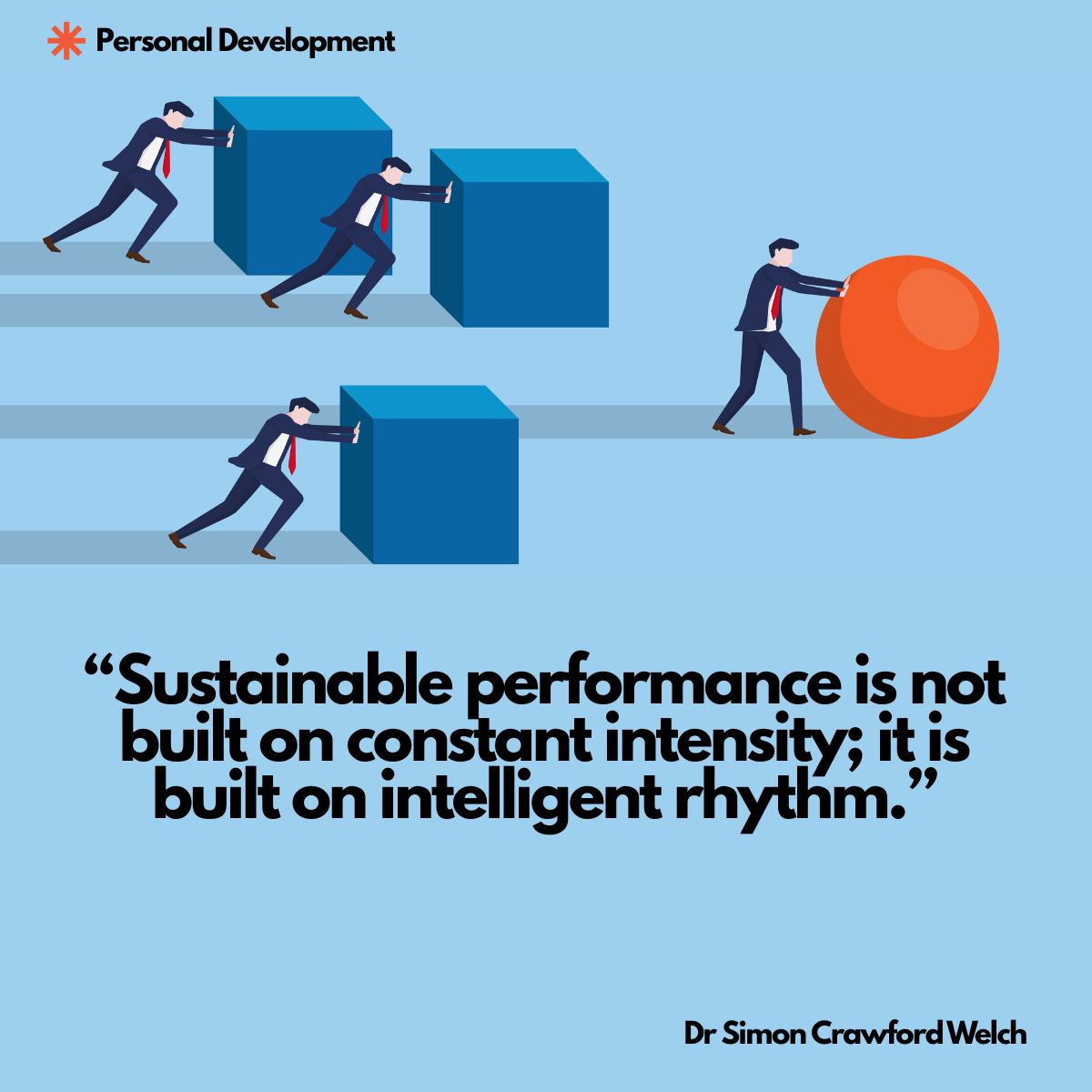
QUOTE — PERSONAL DEVELOPMENT
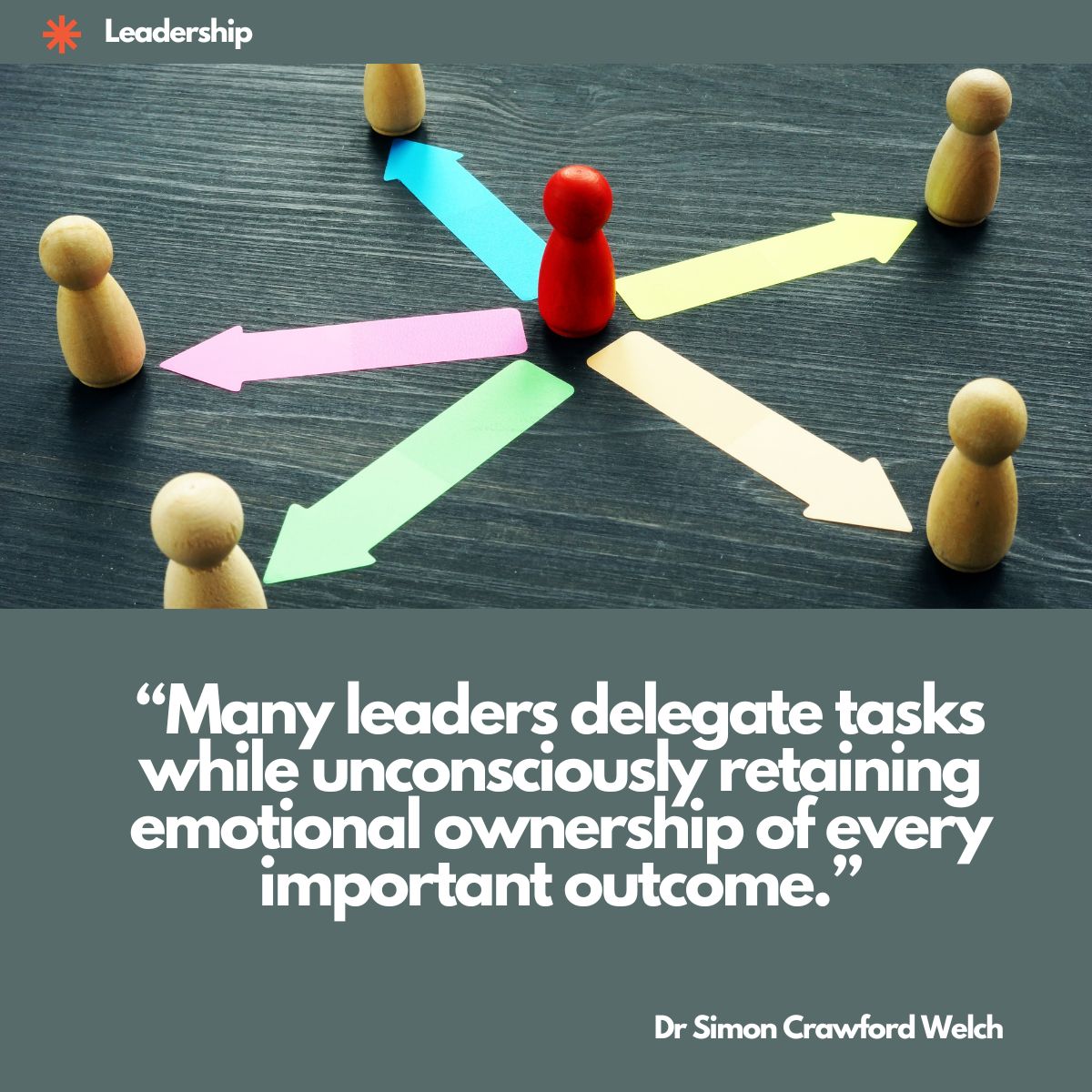
QUOTE — LEADERSHIP
Reframe
From Doer to Designer: The Shift Every Leader Must Make to Scale
Most organizations do not break because leaders stop working hard. They break because leaders continue working the same way long after the company requires something different from them.
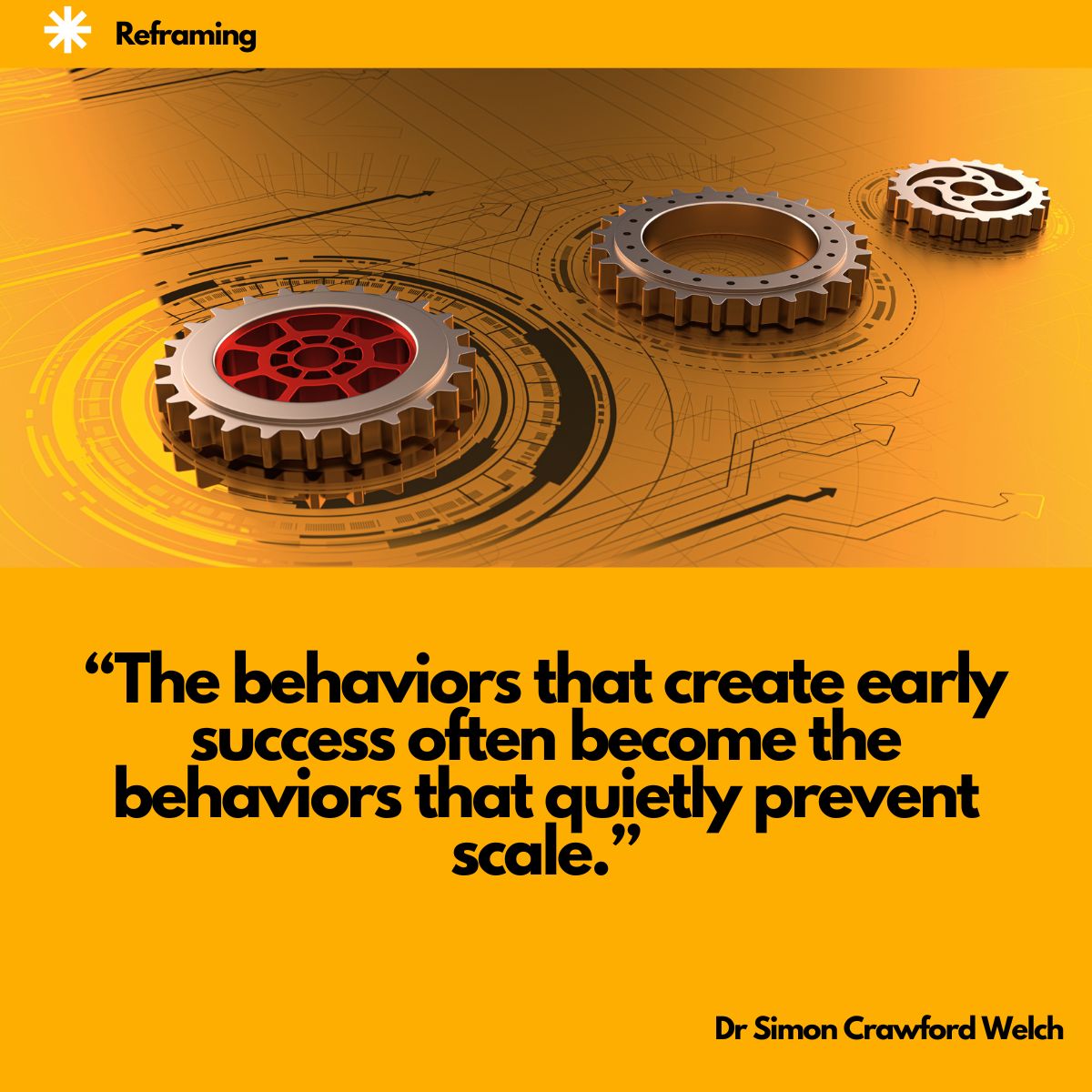
This is one of the great hidden transitions inside leadership. The behaviors that create early success often become the very behaviors that limit future scale.
In the beginning, being a great doer is an enormous advantage. The founder solves problems personally, closes deals directly, handles crises immediately, fills operational gaps instinctively, and outworks nearly everyone around them. Speed matters more than elegance. Execution matters more than structure. The organization survives because someone is willing to carry disproportionate weight.
At small scale, this works remarkably well.
In fact, modern business culture celebrates this phase obsessively. Entrepreneurial mythology is filled with stories about relentless founders sleeping four hours a night, answering customer service tickets themselves, coding products at midnight, and manually solving every operational problem through force of will.
But eventually a subtle inversion occurs.
The company grows. Complexity expands. More people enter the system. Communication pathways multiply. Decisions compound. At that point, the leader’s continued attachment to direct execution no longer creates leverage. It creates drag.
The organization begins orbiting the leader’s personal bandwidth.
This is the moment many companies unknowingly stall. Not because the leader lacks intelligence or ambition, but because they have not made the psychological shift from doer to designer.
That shift changes everything.
The Addiction to Being Needed
One of the least discussed realities of leadership is that doing work provides emotional rewards far beyond productivity. Solving problems directly feels satisfying. Immediate execution produces visible results. Personal involvement creates certainty, control, and identity reinforcement.
Being needed can become psychologically addictive.
This is particularly true for high performers whose careers were built on competence. For years, their value came from knowing more, moving faster, and executing better than those around them. Their instincts became trusted precisely because direct intervention repeatedly worked.
Over time, the nervous system internalizes a dangerous equation.
Control equals safety.
Direct involvement equals value.
The problem is that scale changes the mathematics of leadership. Organizations eventually become too complex for one person to remain deeply involved in everything. The leader’s personal productivity stops being the bottleneck. Organizational design becomes the bottleneck instead.
Yet many leaders continue behaving as elite operators long after the organization requires architects.
This creates a strange phenomenon inside growing companies. Leaders become simultaneously indispensable and overwhelmed. They work constantly while feeling perpetually behind. Decisions funnel upward. Teams become dependent. The company grows larger operationally while remaining psychologically centralized.
The leader interprets this as evidence they are carrying the business successfully.
In reality, the system is quietly becoming fragile.
Scaling Complexity Changes the Nature of Work
The fundamental misunderstanding many leaders face is assuming scale simply means “more work.” It does not.
Scale changes the type of work entirely.
At small scale, output often correlates directly with individual effort. The founder personally closes the customer. Personally fixes the operational problem. Personally drives execution. The organization behaves like an extension of one person’s energy and cognition.
At larger scale, however, the limiting factor becomes system coherence.
Communication quality matters more than personal hustle. Decision architecture matters more than heroic effort. Incentive alignment matters more than raw intensity. Organizational clarity matters more than founder proximity.
The leader’s job shifts from solving individual problems to designing environments where problems get solved intelligently without constant intervention.
That requires a radically different mindset.
The management theorist Peter Drucker warned decades ago that many executives spend enormous time “doing things right” while failing to ask whether they are focused on the right things at all. The danger of the high performing doer is not laziness. It is misallocated excellence.
A leader may become extraordinarily efficient at work the organization should no longer depend on them to perform personally.
This creates hidden organizational debt.
The founder who still approves every decision may feel productive while quietly slowing scalability. The executive who constantly rescues teams may appear indispensable while unintentionally weakening accountability. The operator who solves every problem personally may actually be preventing organizational intelligence from developing.
At some point, the organization begins adapting around the leader’s habits instead of around scalable principles.
That is where stagnation begins.
Designers Think in Systems, Not Moments
Doers focus naturally on immediate execution. Designers focus on underlying systems.
This distinction sounds abstract until you observe it operationally.
A doer asks: “How do we solve this problem right now?”
A designer asks: “Why does this problem keep recurring inside the system?”
A doer optimizes activity. A designer optimizes structure.
A doer intervenes repeatedly. A designer removes the need for repeated intervention.
This is why great scaling leaders often appear less frantic externally even while managing significantly larger complexity. Their energy shifts away from constant tactical firefighting and toward system architecture.
They think about communication flows, decision rights, incentives, information visibility, role clarity, operational states, feedback loops, and organizational psychology.
In other words, they think structurally.
The aviation industry offers an interesting analogy. Early aviation relied heavily on heroic pilot skill because systems were primitive. Over time, aviation became safer not because pilots became superhuman, but because the industry designed systems that reduced dependency on individual heroics.
Checklists. Redundancies. Communication protocols. Instrumentation. Simulation training. Standard operating procedures.
Modern organizations face similar challenges.
Many companies still rely excessively on leadership heroics rather than scalable operational design. The leader compensates constantly for structural weaknesses instead of eliminating the weaknesses themselves.
This creates organizational exhaustion masquerading as excellence.
Why Many Leaders Resist the Shift
The transition from doer to designer is psychologically difficult because it often feels emotionally unsatisfying at first.
System design produces delayed rewards. Cultural architecture is less visible than direct execution. Building clarity, accountability, and scalable structures lacks the immediate dopamine hit of solving problems personally.
Worse, good system design often makes leadership work look deceptively calm.
This can trigger identity tension for leaders conditioned to associate visible intensity with importance.
Many executives subconsciously fear becoming irrelevant if they are no longer deeply involved in daily operations. Their self worth became tied to being the person closest to the action, the crisis solver, the bottleneck breaker, the indispensable operator.
But scalable leadership requires tolerating a different kind of value creation.
The leader must become comfortable designing environments where excellent outcomes occur without their direct touch on every decision.
That is emotionally unsettling for many ambitious people because it removes the constant reinforcement of immediate problem solving.
There is also a control issue underneath much of this resistance.
Designing systems requires trusting other people’s judgment. It requires allowing variability in execution. It requires accepting that others may solve problems differently than the leader would personally.
That ambiguity feels threatening to control oriented leaders.
So they stay trapped in operational gravity.
The Organizations That Truly Scale
The companies that scale successfully usually undergo a profound leadership evolution internally. The founder or executive eventually realizes that personal capacity no longer determines organizational potential.
System quality does.
This realization changes how leadership energy gets allocated.
Instead of asking, “How can I do more?” the leader begins asking, “How can the system require less dependency on me altogether?”
That shift produces enormous consequences.
Meetings become clearer because decision rights are defined. Teams move faster because escalation pathways shrink. Accountability strengthens because ownership becomes distributed properly. Operational friction decreases because recurring chaos gets designed out rather than repeatedly managed emotionally.
The organization begins compounding intelligence instead of merely compounding activity.
Importantly, becoming a designer does not mean abandoning operational awareness. Great leaders still understand the business deeply. They still stay connected to reality. They still intervene during critical moments.
But their primary value no longer comes from constant tactical involvement.
It comes from creating systems where intelligence, accountability, communication, and execution can scale sustainably.
That is a fundamentally different form of leadership.
The Future Belongs to Designers
As organizations become increasingly shaped by automation, artificial intelligence, and accelerated complexity, the leadership premium on pure execution will likely decline.
Machines already outperform humans in many forms of operational consistency and information processing. What remains uniquely human is the ability to design coherent systems of people, incentives, trust, communication, judgment, and adaptation.
The leaders who thrive in the future may not be those capable of working hardest inside the system.
They may be those capable of seeing the system most clearly.
Because ultimately, scale is not achieved by increasing personal effort indefinitely.
It is achieved by designing environments where excellence becomes structurally repeatable.
That requires leaders willing to release the emotional comfort of being the hero.
The irony is that many leaders fear becoming less valuable when they stop being the primary doer.
In reality, that is often the exact moment they become truly scalable.