
Emotional Intelligence Series
If IQ opens the door, EQ keeps it open.
That’s the unspoken truth about hiring for business development — a field where success isn’t about who can think the fastest, but who can connect the deepest. The world is full of smart people who can write flawless strategies, build airtight decks, and quote conversion rates from memory. But when it comes to winning hearts, building trust, and turning “maybe” into “yes,” raw intelligence hits its limit fast.
In today’s relationship-driven economy, emotional intelligence (EQ) isn’t a “nice-to-have.” It’s the differentiator. And if you’re building a business development (BD) team that actually delivers — not just dazzles in meetings — you should weigh EQ far higher than IQ.
Let’s break down why.
IQ Can Build the Plan. EQ Wins the Deal.
Business development isn’t a logic puzzle — it’s human chess.
High IQ team members can do the math. They can model markets, analyze segments, and map decision hierarchies. But business development isn’t about knowing the answer — it’s about reading the room.
Deals don’t collapse because someone miscalculated a spreadsheet. They collapse because someone misread a person.
Maybe they pushed too hard on a skeptical client. Maybe they ignored a subtle cue that trust was fading. Maybe they mistook politeness for progress. In every case, the gap wasn’t intellectual — it was emotional.
EQ is what allows BD professionals to sense the invisible: tone shifts, unspoken hesitations, body language, energy changes in a meeting.
When you hire for EQ, you hire someone who can:
- Hear the real objection behind the stated one.
- Sense when a prospect is leaning in or tuning out.
- Adapt their tone, pacing, and storytelling to match the audience.
- Build rapport that turns transactions into relationships.
In short: IQ gets you in the door. EQ keeps you there long enough to close.
Business Development Is Emotional Labor, Disguised as Strategy
On paper, BD looks analytical — pipelines, forecasts, KPIs. But under the hood, it’s emotional labor. Every great business developer is a master of managing energy—their own and others’.
They deal with rejection daily. They juggle uncertainty, pressure, and shifting targets. They absorb the stress of negotiations, client politics, and internal expectations. To thrive in that chaos, you don’t need a high IQ — you need emotional stamina.
That’s why EQ outperforms IQ in resilience.
Someone with high EQ can regulate their emotions in high-stakes moments. They can read the tension in a negotiation, stay calm when a client gets combative, and recover quickly from setbacks without spreading negativity to the team.
People with high EQ bring emotional consistency — a rare and undervalued leadership trait. They’re the ones who keep morale steady when everyone else is spiraling.
Contrast that with a high-IQ, low-EQ hire: brilliant on paper, volatile in practice. One bad week and they infect the culture. Smart, but not stable.
In BD, that volatility kills deals — and reputations.
The Trust Economy Rewards Emotional Intelligence
In an era of endless choices, clients don’t buy what you sell — they buy how they feel about you when you sell it.
Research from Harvard Business Review consistently shows that trust is the single greatest predictor of deal success. Buyers are more likely to choose a vendor they trust over one who’s technically superior but emotionally tone-deaf.
That’s EQ at work.
High-EQ business developers don’t manipulate emotions — they manage them. They make people feel safe enough to say yes.
They ask better questions, they listen longer, and they make clients feel seen. In complex B2B sales, where deals often stretch months or even years, this emotional bond becomes your ultimate competitive advantage.
IQ can explain the features. EQ builds the feeling that “this is the team I want to work with.”
The same holds true internally. Within your own organization, EQ creates bridges where IQ creates boundaries. Business developers with empathy win support across departments — marketing, finance, ops — because they communicate in ways that make others feel valued.
And in today’s cross-functional, matrixed environments, that emotional diplomacy is gold.
Adaptability > Intelligence in Fast-Moving Markets
A high-IQ hire is great at solving known problems. But in fast-moving markets, the problems are rarely known. The best BD professionals don’t just think — they feel their way forward.
That’s adaptability.
High-EQ people handle ambiguity with grace. They’re not thrown off when a client’s priorities shift mid-project or when a partner’s decision-making process goes sideways. They can pivot without panic.
And because they read context well, they can quickly sense what tone or approach fits each moment:
- When to lead with facts vs. stories.
- When to slow down vs. push harder.
- When to challenge vs. validate.
IQ can’t teach you timing. EQ can.
A 2022 World Economic Forum study found that “adaptability and empathy” are the two strongest predictors of long-term success in client-facing roles. That’s not surprising. The marketplace is changing faster than ever, and rigid intellects break where flexible ones bend.
If your BD team can’t feel the shifts in tone, culture, and client expectation — they’ll always be two steps behind.
EQ Fuels Collaboration, IQ Often Complicates It
Brilliant people are sometimes terrible teammates.
In BD, where deals are complex and often require multi-department coordination, collaboration isn’t a luxury — it’s survival.
That’s where EQ shines.
High-EQ individuals understand group dynamics. They know how to navigate egos, resolve conflicts, and maintain psychological safety. They don’t need to “win” every argument — they focus on collective wins.
Low-EQ, high-IQ hires, on the other hand, can unintentionally sabotage teamwork. They over-intellectualize simple discussions, dominate conversations, or dismiss emotional feedback as “soft.” The result? Friction, resentment, and disengagement.
A BD team that communicates poorly internally will never communicate persuasively externally.
Remember: business development isn’t a solo sport — it’s a relay. And EQ is the handoff skill that keeps the baton moving.
EQ Is the Foundation of Persuasion
Persuasion isn’t logic. It’s empathy, framed strategically.
High-EQ people intuitively understand that influence is emotional before it’s rational. They know that before you can convince someone’s mind, you must connect to their heart.
That’s why top business developers are more like psychologists than economists. They read motivations, map emotional resistance, and tailor their communication accordingly.
They can detect whether a client needs reassurance, recognition, or reassurance disguised as data. They know how to balance conviction with curiosity—to advocate without alienating.
High-IQ professionals often overestimate the power of logic. They think if the argument is airtight, people will agree. But deals don’t fall apart because of bad math—they fall apart because of bad feelings.
As the old saying goes:
“People don’t remember what you said; they remember how you made them feel.”
And that’s where EQ turns persuasion into partnership.
The ROI of Emotional Intelligence
Let’s be clear: this isn’t philosophy — it’s performance.
Multiple studies have quantified the tangible impact of EQ on sales and business development outcomes:
- A TalentSmart study found that 90% of top performers across industries score high in EQ, while only 20% of low performers do.
- Salespeople with higher EQ outperform peers by up to 50% in revenue growth.
- Teams led by high-EQ managers experience significantly lower turnover and greater cross-functional trust.
The reason is simple: EQ compounds.
A high-EQ business developer not only closes more deals — they create compounding trust. They retain clients longer, get more referrals, and turn satisfied customers into advocates.
Their value doesn’t reset to zero at the end of each quarter — it snowballs.
EQ Creates the Right Kind of Ambition
IQ-driven professionals chase achievement. EQ-driven professionals chase impact.
That distinction changes everything about how they sell, lead, and grow.
High-IQ performers often anchor their identity in results. They seek validation through wins, titles, and scoreboard metrics. That’s useful — but it’s brittle. When goals aren’t met, motivation collapses.
High-EQ performers, however, are motivated by connection and contribution. They want to create value, not just extract it. Their ambition is relational — they play the long game.
They understand that how you win matters as much as what you win. That’s the kind of ambition that sustains teams and builds enduring partnerships.
How to Hire for EQ in Business Development
If you agree EQ matters most, the next challenge is: How do you identify it?
Here’s what to look for in interviews and assessments:
No. 1 — Self-Awareness Over Self-Promotion
Ask candidates to describe a mistake they made with a client and what they learned. High-EQ people share specific stories and self-reflections. Low-EQ candidates deflect or rationalize.
No. 2 — Curiosity Over Certainty
Listen for how many questions they ask you. High-EQ candidates are genuinely curious about the company, the customer, and the culture. Curiosity is empathy in action.
No. 3 — Relationship Language Over Transactional Language
Pay attention to pronouns. “We” reveals collaboration; “I” reveals ego. EQ-oriented candidates frame success in collective terms.
No. 4 — Calm Under Pressure
Simulate stress. Ask an ambiguous question or challenge one of their assumptions. Observe — not what they say — but how they react. EQ shows up in composure.
No. 5 — Perspective-Taking
Ask how they’d handle a hesitant or frustrated client. You’re not looking for a perfect answer; you’re listening for understanding of human dynamics.
If you want to go deeper, use behavioral assessments or scenario-based exercises that evaluate empathy, adaptability, and self-regulation.
The Future Belongs to Emotionally Intelligent Organizations
The business world is moving from an era of efficiency to an era of empathy. Automation is handling logic at scale. What’s left for humans? Trust, creativity, nuance, and connection — the very things EQ governs.
As AI continues to crunch the data, the competitive advantage shifts to those who can interpret emotion, build trust, and navigate complexity with grace.
That means the future belongs to emotionally intelligent organizations — companies that hire, promote, and reward people who make others better, not just outcomes bigger.
The Takeaway
Hiring for IQ gets you competence. Hiring for EQ gets you commitment.
In business development — where deals hinge on human chemistry, not just competitive pricing — EQ is the difference between being smart and being successful.
So next time you’re hiring, don’t just look for someone who can “think strategically.” Look for someone who can listen deeply.
Because when it comes to business development, it’s not the smartest person in the room who wins — it’s the one who understands the room.
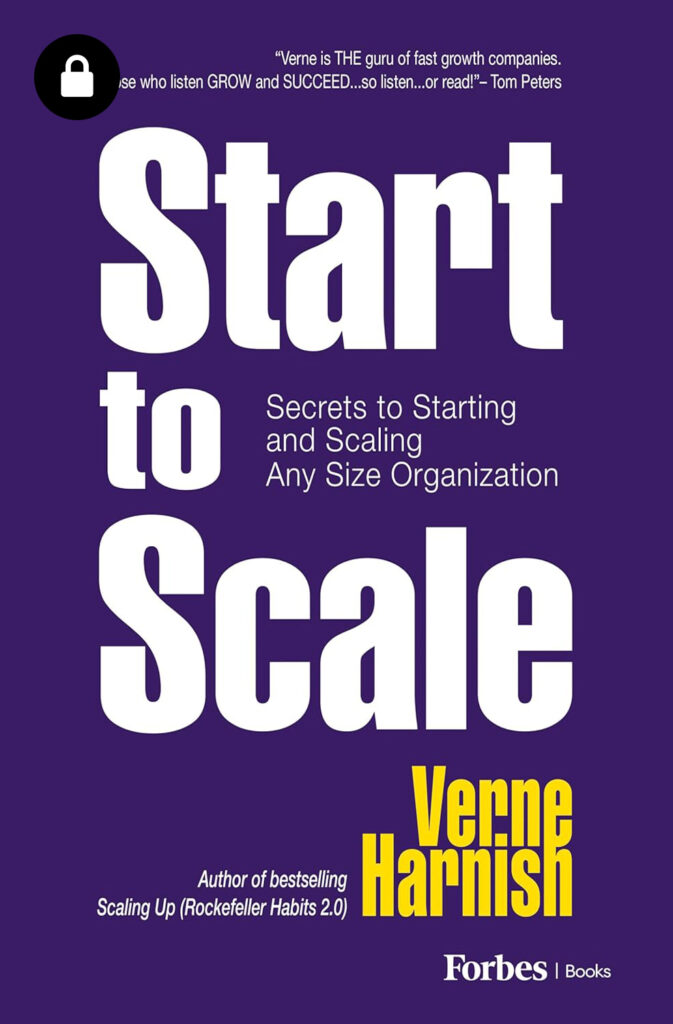
CHECK OUT THIS WEEK’S DEEP DIVES BOOK SUMMARY
If You Liked This Article, You May Also Like …
- The Importance of EQ, IQ, and SQ in Leadership
- Using Emotional Intelligence to Recognize and Overcome Cognitive Biases: A Path to Objectivity
- Beyond the Résumé: How to Accurately Measure Emotional Intelligence in Hiring