Emotional Intelligence Series
Modern life presents itself as an upgrade. More access, more connectivity, more information, more opportunity. Yet beneath this narrative lies a quieter trade, one that few people consciously agreed to. We have exchanged depth of attention for breadth of exposure. In doing so, we have altered not just how we work and communicate but how we feel.
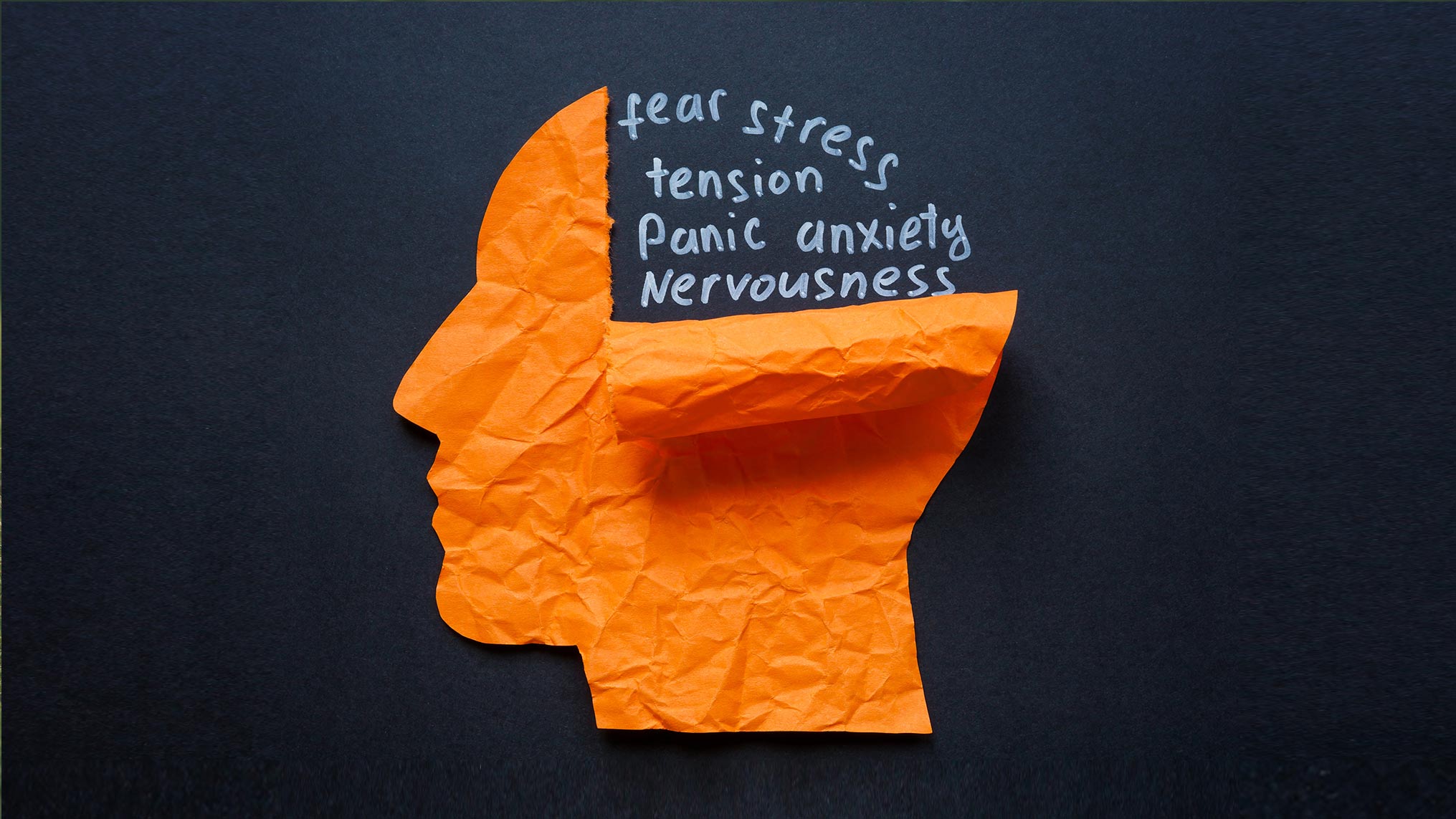
Attention, once a relatively stable resource, has become fragmented. Anxiety, once tied to specific events or circumstances, has become ambient. Awareness, which should anchor both, is often the first casualty. The result is a subtle but persistent emotional instability, not dramatic enough to demand immediate intervention but constant enough to shape daily experience.
Emotional intelligence has traditionally been framed around relationships, empathy, communication, and self-regulation, an approach popularized through foundational work such as Daniel Goleman’s analysis on What Makes a Leader? in Harvard Business Review. Those elements still matter. However, the terrain has shifted. The challenge is no longer simply managing emotions in response to people or situations. It is managing emotions in response to a continuous stream of stimuli that operate below the level of conscious awareness.
The Fragmentation of Attention
Attention is not just a cognitive function; it is the gateway to experience. What we attend to determines what we perceive, what we remember, and ultimately how we interpret reality. When attention becomes fragmented, experience becomes fragmented.
The modern environment is structured to disrupt sustained focus. Notifications, messages, updates, and alerts create a constant pull toward the next piece of information. Even in moments of relative quiet, the expectation of interruption lingers. This creates a state of partial attention, where the mind is never fully engaged with any single task or moment.
The book, Attention Span: Find Focus. Fight Distraction., written by Gloria Mark at the University of California, Irvine has shown that frequent interruptions significantly reduce productivity and increase stress levels. Another study from Stanford University found that individuals who engage in heavy multitasking struggle to filter out irrelevant information and perform worse on tasks requiring sustained focus.
The implications extend beyond efficiency. Fragmented attention weakens emotional processing. When the mind is constantly shifting, it has less capacity to fully experience, interpret, and regulate emotions. Feelings become shallow, fleeting, and often unresolved. Over time, this creates a sense of disconnection, not just from others, but from oneself.
The Rise of Ambient Anxiety
Anxiety has always been part of the human experience. It serves a purpose, signaling potential threats and preparing the body to respond. However, in the current environment, anxiety is no longer tied to specific triggers. It has become ambient, a background condition that persists even in the absence of immediate danger.
This shift is closely linked to the nature of modern information flow. Individuals are exposed to a constant stream of updates, many of which are negative or emotionally charged. News cycles prioritize urgency. Social platforms amplify conflict. Even professional environments increasingly operate in real-time, with expectations of immediate response.
The human nervous system is not designed for continuous activation. When exposed to ongoing low-level stressors, it remains in a heightened state of alertness. This can lead to a range of effects, including irritability, difficulty concentrating, and a diminished ability to regulate emotions.
Research published by organizations such as the American Psychological Association in its Stress in America reports has highlighted the impact of chronic stress on mental health, linking sustained exposure to stressors with increased levels of anxiety and burnout. What is particularly concerning is that many individuals no longer recognize this state as abnormal. It has become the baseline.
Awareness as the Missing Layer
If attention is fragmented and anxiety is elevated, awareness becomes critical. Yet it is often the least developed component of emotional intelligence in the modern context.
Awareness is not simply noticing what is happening externally. It is the ability to observe internal states, thoughts, emotions, reactions, without immediately identifying with them or acting on them. It creates a space between stimulus and response, allowing for deliberate choice rather than automatic reaction.
In a high-stimulation environment, this space tends to collapse. Stimuli trigger immediate responses, often bypassing conscious evaluation. A notification leads to a reaction. A piece of information leads to an opinion. An emotional cue leads to a response. The cycle becomes increasingly automatic.
Developing awareness in this context requires intentional effort. It involves slowing down, even when the environment encourages speed. It involves questioning immediate reactions, examining where they come from, and deciding whether they are warranted. This is not about suppressing emotion; it is about understanding it.
The Feedback Loop Between Attention and Anxiety
Attention and anxiety are not independent variables; they reinforce each other in a feedback loop. Fragmented attention increases cognitive load, making it more difficult to process information effectively. This, in turn, contributes to a sense of overwhelm, which fuels anxiety. Increased anxiety then further disrupts attention, creating a cycle that is difficult to break.
This dynamic is particularly evident in environments where individuals are expected to manage multiple streams of information simultaneously. Emails, messages, dashboards, meetings, and external updates all compete for attention. The constant switching creates a sense of urgency, even when no single task is inherently urgent.
Over time, this can lead to a state of chronic distraction, where the mind is always engaged but rarely focused. The emotional consequence is a persistent sense of unease. Not because something is wrong, but because the system itself is overloaded.
Redefining Emotional Intelligence for the Present
Given these dynamics, emotional intelligence must be redefined. The traditional components remain relevant, but they are insufficient on their own.
Self-awareness must now include awareness of attention. Where is your focus? How often does it shift, and what is driving those shifts? Self-regulation must extend to managing not just emotional responses but also the inputs that trigger them. Empathy must be practiced in a context where others are also operating under cognitive and emotional strain. Social skills must adapt to interactions that are increasingly mediated by technology.
There is also a need for what might be called attentional discipline. The ability to sustain focus, to resist unnecessary interruptions, and to engage deeply with tasks and conversations. This is not a natural state in the current environment; it is a cultivated one.
Practical Reconstruction: Building Stability in an Unstable Environment
Rebuilding emotional intelligence in this context is not about dramatic transformation. It is about small, consistent adjustments that restore balance.
The first step is reducing unnecessary inputs. This does not mean disengaging from the world, but being more selective about what is consumed. Limiting exposure to non-essential information can significantly reduce cognitive load and emotional reactivity.
The second step is creating structured periods of focus. Designating time for uninterrupted work or reflection allows the mind to engage more deeply. Over time, this strengthens the ability to sustain attention.
The third step is incorporating moments of deliberate awareness. This can be as simple as pausing to observe one’s thoughts and emotions without judgment. These moments create space, interrupting automatic patterns and allowing for more intentional responses.
The fourth step is prioritizing recovery. Rest is not optional; it is essential for cognitive and emotional functioning. This includes not just sleep, but periods of disengagement from active input.
These practices are not complex, but they require consistency. The environment will not support them by default; they must be actively maintained.
Leadership in the Age of Overload
The implications extend beyond individual well-being. Leaders operating in high-information environments must recognize that their teams are subject to the same dynamics.
Expectations of constant availability, rapid response, and continuous engagement can exacerbate cognitive and emotional strain. Effective leadership in this context involves creating conditions that support focus and recovery. This may include setting clear boundaries, reducing unnecessary communication, and modeling behaviors that prioritize depth over speed.
Leaders must also develop their own awareness. The ability to remain calm, focused, and deliberate in a high-stimulation environment is not just a personal advantage; it sets the tone for the organization. It signals that clarity and intention are valued, even when the external environment is chaotic.
The Deeper Question: What Deserves Your Attention
At its core, the challenge of attention, anxiety, and awareness is not just about managing inputs or regulating emotions. It is about a more fundamental question. What deserves your attention?
In a world where everything competes for focus, this question becomes central. Attention is not just a resource; it is a form of currency. Where it is directed shapes experience, perception, and ultimately, life itself.
Emotional intelligence, in this context, is the ability to allocate this currency wisely. To recognize what matters, to engage with it fully, and to let go of what does not.
Conclusion: Reclaiming the Inner Environment
The external environment is unlikely to slow down. Information will continue to accelerate. Demands on attention will continue to increase. The challenge, therefore, is not to control the external world, but to manage the internal one.
Reclaiming attention, reducing anxiety, and cultivating awareness are not separate tasks. They are interconnected aspects of a single process. The process of restoring balance in a system that has become overloaded.
This is not about achieving a perfect state of calm or focus. It is about developing the capacity to navigate complexity without being overwhelmed by it. To engage with the world without losing oneself in it.
In the end, emotional intelligence in the modern era is less about reacting well and more about choosing what to react to at all. It is the discipline of attention, the management of anxiety, and the cultivation of awareness, brought together in a way that allows for clarity in the midst of noise.
If You Liked This Article, You May Also Like …
- Emotional Leakage: The Neuroscience Of Over-Absorbing Others’ States
- The Hidden Cost of Emotional Avoidance at Work
- Mastering the Mood: The Art and Science of Managing Emotions with Emotional Intelligence