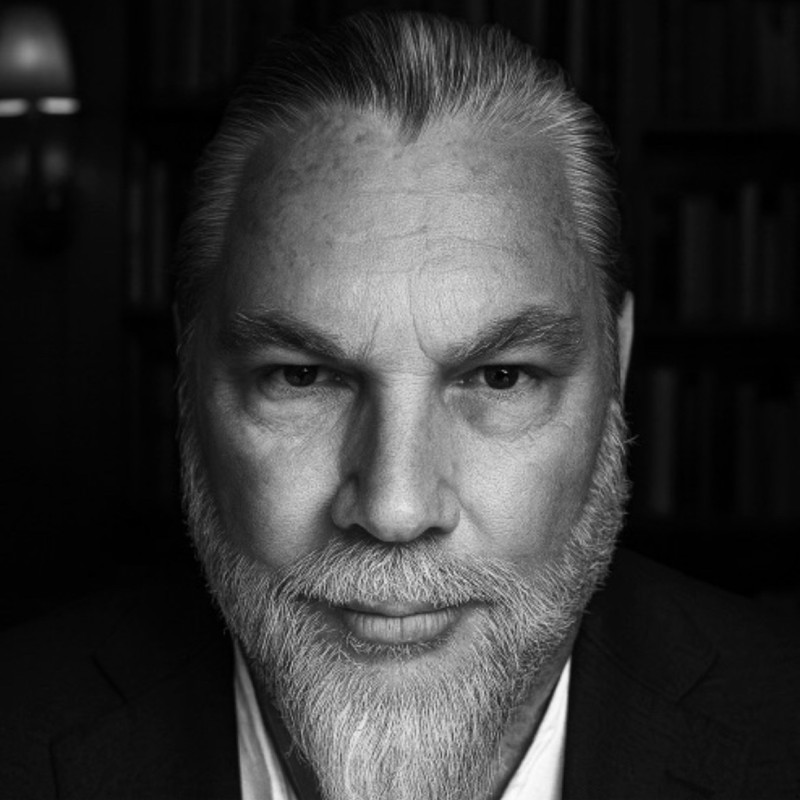
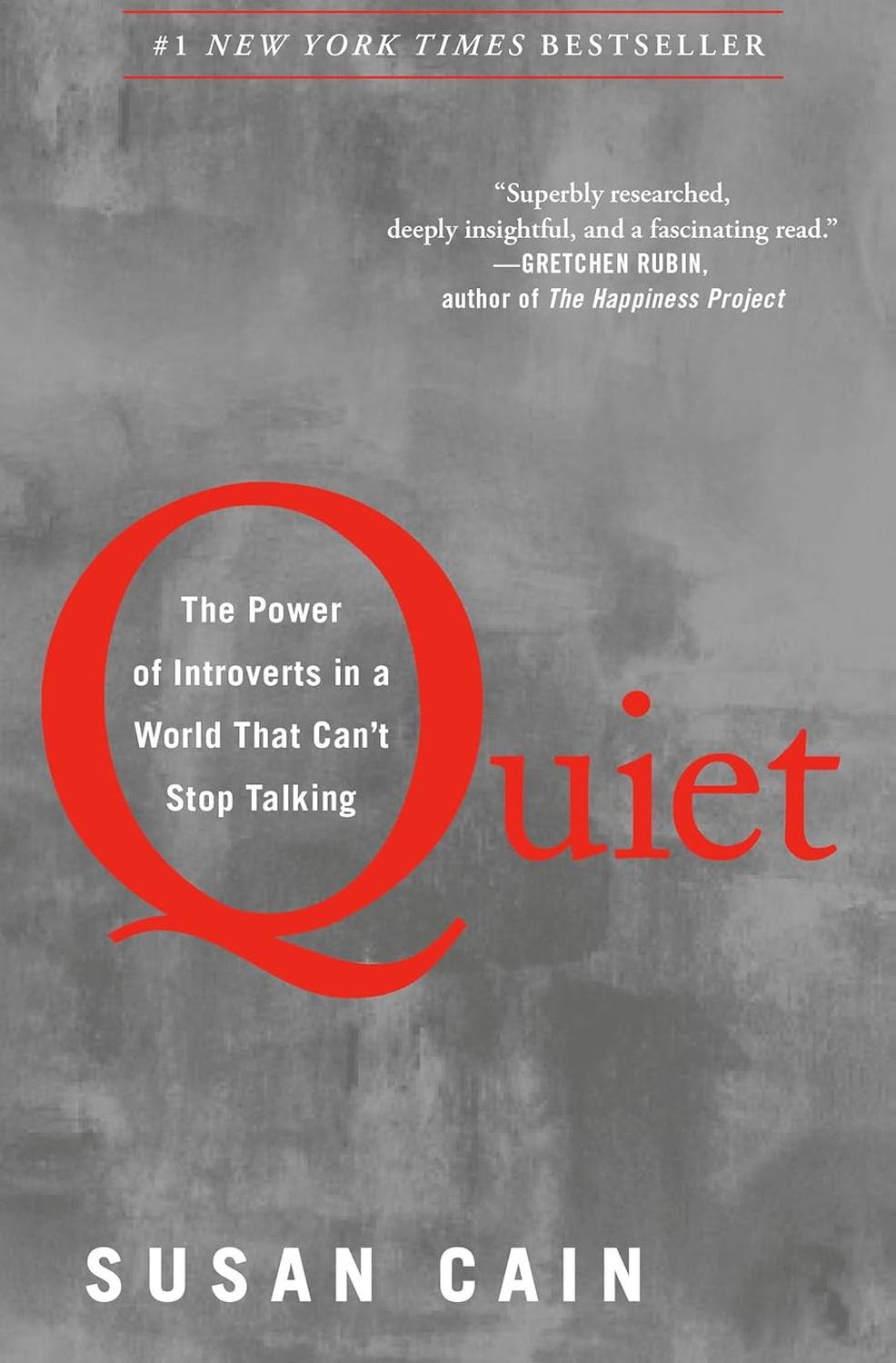
By Susan Cain
Susan Cain’s Quiet is a thoughtful, deeply researched defense of introversion in a culture that often rewards visibility, assertiveness, speed, sociability, and verbal confidence above quieter forms of intelligence. The book is not an argument that introverts are superior to extroverts, nor is it a simplistic celebration of solitude for its own sake. Cain’s central argument is more subtle and more important: modern Western culture has overvalued extroverted traits and undervalued introverted ones, creating schools, workplaces, leadership models, and social norms that often ignore how many people actually think, create, decide, and contribute best.
BUY THIS BOOK
Cain invites readers to reconsider what strength looks like. In a society that equates leadership with charisma, confidence with competence, and participation with talking, introverts can be misunderstood as passive, timid, antisocial, or lacking ambition. Cain dismantles these assumptions. Introversion is not shyness, weakness, or social failure. It is a temperament, a different way of engaging with stimulation, relationships, ideas, and energy. Introverts often prefer depth over breadth, reflection before response, and meaningful work over constant social performance. Their power is not always loud, but it is often profound.
The Rise of the Extrovert Ideal
One of Cain’s most important contributions is her historical explanation of what she calls the Extrovert Ideal. She argues that American culture was not always as obsessed with outgoing personality as it is today. In earlier periods, especially the nineteenth century, the dominant cultural model valued character: discipline, integrity, moral seriousness, duty, honor, and inner virtue. But as America industrialized, urbanized, and became more commercial, success increasingly depended on selling, networking, persuading, and presenting oneself well to strangers. The culture began shifting from a Culture of Character to a Culture of Personality.
This shift changed what people admired. The successful person was no longer merely good, principled, or thoughtful. They had to be magnetic, bold, socially skilled, and comfortable in the spotlight. Cain traces this transformation through self help literature, business culture, advertising, Dale Carnegie style social training, and the rise of personality driven success models. The modern workplace and school system inherited this bias, often assuming that the best ideas come from the most vocal people and that confident presentation signals strong ability.
Cain does not argue that extroversion is bad. Rather, she warns that when a culture prizes one temperament too heavily, it creates distortion. People begin performing personality rather than developing character. Quiet thinkers are overlooked, while socially dominant people are overestimated. The result is not simply unfair to introverts. It is intellectually and organizationally costly.
What Introversion Is, and What It Is Not
Cain carefully distinguishes introversion from shyness. Shyness is fear of social judgment. Introversion is a preference for lower stimulation environments and a tendency to recharge through solitude or quieter forms of connection. An introvert may enjoy people deeply and still become drained by constant social interaction. An extrovert may seek stimulation, variety, activity, and group energy. These differences are not moral categories. They are temperamental patterns, a distinction that traces back to Jung’s original framing of introversion and extraversion.
Cain also emphasizes that introversion and extroversion exist on a spectrum. Many people are ambiverts, carrying traits of both. Some introverts are socially skilled, warm, persuasive, and effective public speakers. Some extroverts are thoughtful and reflective. The point is not to trap people in labels, but to understand the different environments in which people thrive.
This distinction matters because many introverts spend years believing something is wrong with them. They may prefer reading to parties, one on one conversations to group networking, or careful thought to rapid response. In environments that reward constant participation, they feel pressured to become someone else. Cain’s book gives language to that experience and reframes it not as deficiency, but as difference.
The Biology of Temperament
Cain explores research suggesting that introversion and extroversion have biological roots. She discusses studies by developmental psychologist Jerome Kagan, who found that some infants are more reactive to stimulation than others. Highly reactive children often become more cautious, sensitive, and reflective as they grow older. Cain connects this research to introversion, suggesting that some people are naturally more responsive to external stimuli and therefore seek calmer environments.
The book also discusses how introverts and extroverts may differ in their sensitivity to dopamine, reward, novelty, and stimulation. Extroverts may be more energized by high stimulation environments, social rewards, and risk. Introverts may be more easily overstimulated and may prefer slower, quieter, more deliberate settings. Cain’s purpose is not to reduce personality to biology, but to show that these differences are real, durable, and worthy of respect.
This biological perspective helps explain why common advice often fails. Telling an introvert to simply put themselves out there misunderstands the issue. The introvert may not lack courage. They may process stimulation differently. Cain argues that people perform best when they understand their own nervous system and design their lives accordingly, rather than blindly conforming to cultural expectations. Research overviews of introversion reinforce her distinction between temperament and shyness.
Groupthink and the Myth of Constant Collaboration
One of the strongest sections of Quiet critiques the modern obsession with group work. Cain challenges the assumption that collaboration always produces better ideas. Schools increasingly emphasize group projects. Offices are designed with open floor plans. Brainstorming sessions are treated as engines of creativity. Yet Cain argues that solitude is often essential to serious thinking and original work.
She draws on research showing that brainstorming in groups can be less effective than allowing individuals to generate ideas independently before coming together. In groups, people conform, self censor, defer to dominant voices, or become distracted by social dynamics. The loudest or most confident person often has disproportionate influence, even when their ideas are not the best. This is especially dangerous in organizations where charisma can masquerade as insight, which is one reason the science of human personality in business decisions deserves more attention than it usually receives.
Cain is not against collaboration. She believes collaboration is necessary, but she argues that it must be balanced with solitude. The best work often happens when people are allowed to think deeply alone, then exchange ideas thoughtfully. This has major implications for workplaces, schools, and leadership. Environments that privilege constant interaction may unintentionally suppress the very creativity they claim to encourage.
Leadership Without Loudness
Cain also challenges the stereotype that effective leaders must be extroverted. She presents research and examples showing that introverted leaders can be highly effective, especially when leading proactive, skilled, or self motivated teams. Extroverted leaders may be excellent at energizing groups, selling vision, and taking command in uncertain situations. Introverted leaders may be better listeners, less likely to dominate discussion, and more willing to let others contribute. The study behind this, by Grant, Gino and Hofmann, found that introverted leaders outperform when their teams are proactive.
Cain’s point is not that introverted leadership is always better. Leadership effectiveness depends on context. A charismatic leader can inspire, but can also overpower. A quiet leader may not command attention immediately, but may create space for better thinking. In many cases, introverted leaders build trust because they listen carefully, prepare deeply, and avoid making leadership about personal performance.
This idea has enormous relevance in modern organizations. Many leadership pipelines still reward people who speak quickly, network aggressively, and project certainty. Cain asks whether we are promoting the most capable people or merely the most visible ones. She suggests that organizations may be missing powerful leaders because they confuse quietness with lack of ambition or influence.
The Power of Deep Work and Solitude
Throughout Quiet, Cain returns to the creative and intellectual value of solitude. Many great thinkers, artists, scientists, and innovators have required long periods of private concentration. Solitude allows people to hear their own thoughts, develop complex ideas, resist conformity, and follow curiosity without immediate social pressure. Cain argues that introverts often excel in these conditions because they are comfortable with sustained attention and inward reflection.
This theme feels even more relevant in today’s world of constant digital interruption. Although Cain wrote before some of the current intensity of online life, her argument anticipates a major modern concern: if we never disconnect, we may never think deeply. That concern was later taken up at book length by Cal Newport on the value of sustained solitary focus.
Cain does not romanticize isolation. She acknowledges that too much solitude can become unhealthy. But she insists that meaningful solitude is culturally undervalued. In a world that rewards responsiveness and visibility, quiet concentration becomes almost countercultural.
Love, Parenting, and Relationships Across Temperaments
Cain also explores the personal side of introversion. Many relationships involve differences in temperament. An extroverted partner may want social activity, frequent conversation, and external stimulation. An introverted partner may need quiet, recovery time, and deeper but less frequent interaction. Without understanding, each may misread the other. The extrovert may see withdrawal as rejection. The introvert may see sociability as pressure.
Cain encourages mutual respect rather than conversion. The goal is not for introverts to become extroverts or extroverts to become introverts. The goal is to understand each person’s needs and negotiate with generosity. Introverts may need to stretch into social life at times. Extroverts may need to respect silence and solitude as legitimate needs rather than signs of emotional distance.
Her discussion of parenting is especially compassionate. Introverted children may be sensitive, cautious, and slow to warm up. Parents and teachers may mistakenly push them too hard, believing they are helping them become confident. Cain argues that introverted children need gentle support, not forced transformation. They should be encouraged to develop courage, but not shamed for their temperament. A quiet child may become strong not by becoming loud, but by learning to trust their own way of moving through the world.
Free Trait Theory and Stretching Beyond Temperament
One of the most useful ideas in the book is the concept of free traits, which Cain draws from psychologist Brian Little. Free trait theory suggests that people can act outside their natural temperament when doing so serves something they deeply value. An introvert can give a powerful speech, lead a team, attend an event, or advocate passionately when the purpose matters enough. The key is that this stretching should be intentional and followed by recovery.
This idea avoids the trap of personality determinism. Cain is not telling introverts to avoid challenge or hide behind their nature. She is saying that people can stretch beyond their default settings, but they should do so wisely. An introvert who loves a cause may become an effective public advocate. A quiet executive may become a compelling communicator when speaking from conviction. The difference is that the performance is connected to meaning, not social pressure.
This is one of the book’s most balanced messages. Know your temperament. Honor it. But do not let it become a cage. Stretch for what matters, then return to the conditions that restore you.
The Book’s Central Message
Quiet is ultimately a book about human dignity. Cain is asking society to widen its definition of strength. The world needs people who speak boldly, connect easily, and thrive in high energy environments. But it also needs people who listen deeply, think carefully, notice subtlety, resist group pressure, and create from solitude. A healthy culture does not force everyone into one personality mold. It builds room for different forms of contribution.
The book’s deeper message is not only for introverts. It is for anyone living in a culture addicted to noise, speed, and performance. Cain reminds us that power does not always announce itself. Sometimes it appears as patience, depth, restraint, sensitivity, preparation, concentration, and moral courage. Quiet people are not failed extroverts. They are carriers of a different kind of strength.
Final Reflection
In a world that often rewards the person who talks first, talks loudest, or takes up the most space, Quiet asks us to reconsider what we may be missing. The most important person in the room may not be the most charismatic. The best idea may not be the one spoken with the most confidence. The strongest leader may not be the one performing leadership most visibly.
The invitation is not to become quieter or louder, but to become more honest about how we actually think, work, and contribute. That honesty has consequences for how we design meetings, run schools, raise children, structure teams, and choose leaders. It asks organizations to measure contribution rather than volume, and it asks individuals to stop apologizing for the conditions in which they do their best work. Cain makes the argument in her own voice in her TED talk on the power of introverts.
Sometimes the power in the room is quiet, and the future may depend on whether we are wise enough to hear it.
If You Liked This Article, You May Also Like …
CHECK OUT THIS WEEK’S DEEP DIVES ARTICLES

+++
+++