
Emotional Intelligence Series
It’s a fascinating truth about human nature: we often believe we “know” someone—until things go sideways. The colleague who’s calm and collected in meetings suddenly becomes withdrawn and terse under deadline pressure. The friend who’s usually upbeat snaps at the slightest irritation when life throws a curveball. And perhaps most revealing of all—we see sides of ourselves we didn’t know existed when we’re tired, overwhelmed, or afraid.
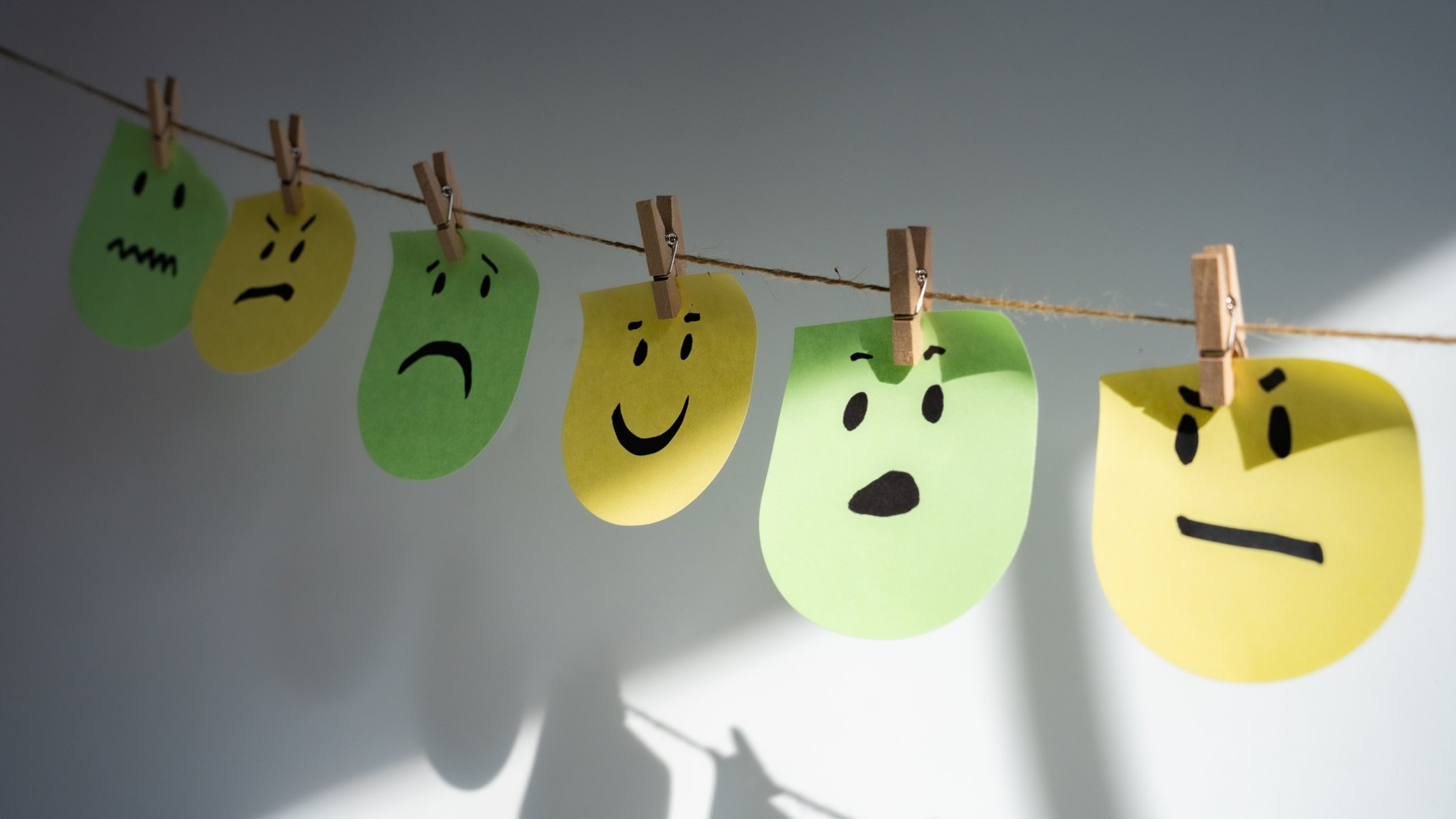
At the heart of it is this simple premise: People exhibit two kinds of behavior—how they act under normal circumstances and how they respond when under stress.
And the gap between those two selves? That’s where character is revealed, resilience is tested, and true emotional intelligence is forged.
Part No. 1 — The “Surface Self” — Behavior in Normal Circumstances
In everyday settings—when things are predictable, relationships are stable, and tasks fall within our comfort zone—people tend to operate from their default, socially-acceptable selves. We are more composed, diplomatic, and measured in how we speak, lead, or collaborate.
This is the version of us shaped by:
- Social conditioning: We know how we’re “supposed” to behave.
- Habitual patterns: We’ve developed routines and rhythms that work.
- Cognitive control: With mental bandwidth available, we can regulate emotions and responses more effectively.
Let’s call this our Surface Self. It’s not inauthentic—it’s just curated. It’s how we show up when the world aligns with our expectations. In this mode, trust is easier, creativity flows, and relationships feel manageable. But it’s also when many of our deeper traits—like patience, courage, and emotional regulation—aren’t fully activated.
Why? Because they’re not being tested.
Part No. 2 — The “Stress Self” — Behavior Under Pressure
Stress, on the other hand, strips away the polish.
When we’re under pressure—emotionally, financially, physically, or psychologically—our true instincts, values, and coping mechanisms rise to the surface. Some people become hyper-controlling, others retreat. Some lash out, others shut down. Some surprise everyone with their clarity and calm.
This is our Stress Self. And it’s often the truer indicator of emotional maturity and psychological wiring.
Under stress, the prefrontal cortex (which governs rational thought) takes a backseat to the amygdala (which governs fear and threat response). We default to our trained or conditioned behavior—what we’ve practiced, internalized, or modeled from others. That’s why stress reveals so much about a person. It doesn’t create new traits—it exposes what’s already there.
Stress Doesn’t Build Character—It Reveals It
There’s a quote often attributed to James Lane Allen:
“Adversity does not build character; it reveals it.”
In leadership, relationships, and life, this couldn’t be more true.
Think of:
- The manager who praises you in public but throws you under the bus when things go wrong.
- The teammate who’s collaborative on easy projects but becomes territorial during crunch time.
- The friend who’s always supportive—until they’re navigating their own crisis and disappear emotionally.
These behavioral shifts don’t necessarily mean people are “bad.” But they do reflect unexamined coping strategies, fear patterns, or a lack of emotional tools to deal with adversity.
And here’s the key insight: everyone has a Stress Self. The question is whether you’re aware of yours—and working on it.
The Behavioral Spectrum: A 2×2 Framework
Let’s visualize human behavior as a simple 2×2 grid:
| Calm Conditions | Stressful Conditions | |
| High Awareness | Emotionally intelligent | Resilient, grounded, adaptable |
| Low Awareness | Pleasant but shallow | Reactive, defensive, erratic |
Most people strive to be pleasant and cooperative in calm waters—but only those who’ve done the inner work maintain that centeredness when the storm hits.
Emotional intelligence, then, isn’t just about knowing what to say in a meeting or reading someone’s tone in a conversation. It’s about how you behave when:
- The deal falls through.
- You’re sleep-deprived.
- Your trust is broken.
- Plans unravel and expectations aren’t met.
That’s the real test.
Leaders: Your Stress Behavior Is Your Culture
For those in leadership roles, this dynamic matters even more. Why? Because your Stress Self doesn’t just affect you—it shapes the entire organization.
When a leader under pressure becomes:
- Blame-driven → They create a fear-based culture.
- Withdrawn → They create uncertainty and confusion.
- Combative → They model emotional volatility as acceptable behavior.
Conversely, a leader who shows grace under pressure, maintains transparency, and owns their own stress reactions creates a psychologically safe and resilient workplace.
The same applies at home, in friendships, or on teams. Your behavior when things are tough leaves a stronger impression than anything you do when they’re going well.
Common “Stress Selves” and What They Reveal
Let’s explore a few common stress archetypes. Recognize any of these in yourself or others?
No. 1 — The Overfunctioner
- Tries to control everything. Takes on more than necessary.
- Rooted in anxiety, fear of failure, or people-pleasing.
No. 2 — The Underfunctioner
- Withdraws, shuts down, avoids decisions.
- Rooted in overwhelm, fear of judgment, or past trauma.
No. 3 — The Aggressor
- Becomes defensive, lashes out, or micromanages.
- Often masks insecurity or a fear of being exposed.
No. 4 — The Martyr
- Plays the victim, overemphasizes personal sacrifice.
- Desires validation, struggles with boundaries.
No. 5 — The Stoic
- Appears calm but disconnects emotionally.
- Avoids vulnerability, suppresses stress instead of processing it.
These personas aren’t moral flaws. They’re survival strategies. But if left unchecked, they can wreak havoc—on performance, relationships, and self-esteem.
How to Bridge the Gap Between Your Two Selves
Becoming someone who behaves with integrity both in calm and in chaos is one of the most important forms of personal development. Here’s how to start:
No. 1 — Build Self-Awareness
- Reflect. How do you behave under pressure?
- Ask. What do others notice about me when I’m stressed?
- Journal. Keep a log of your emotional reactions during challenging weeks.
No. 2 — Practice Under Simulated Stress
Like athletes training under pressure, emotional regulation needs deliberate practice.
- Try public speaking.
- Roleplay hard conversations.
- Simulate worst-case business scenarios.
No. 3 — Develop a Stress Recovery Plan
Know your signs of overload—and have a go-to list of recovery tools:
- Go for a walk.
- Delay responding to that email.
- Call a trusted mentor or coach.
No. 4 — Normalize Emotionally Honest Leadership
Especially if you lead others, model what it looks like to be human under pressure:
- Admit when you’re overwhelmed.
- Share how you’re managing through tough times.
- Apologize when your Stress Self takes the mic.
No. 5 — Rewire the Narrative
Don’t let stress become an excuse for poor behavior. Use it as a cue for growth.
Instead of:
“That’s just how I get when I’m stressed…”
Try:
“That’s an area I’m working on. Here’s what I’m learning.”
Who You Are When It’s Hard Is Who You Really Are
It’s easy to be kind when you’re rested. It’s easy to be patient when things go your way. It’s easy to be a leader when the team is winning.
But true self-awareness, emotional maturity, and leadership are revealed in moments of friction. That’s where your inner world meets the outer world—and your growth becomes visible.
So the next time you’re under pressure, don’t just react. Observe. Reflect. Take note of the version of yourself that emerges.
Because ultimately, the goal isn’t to be flawless.
It’s to close the gap between who you are when things are easy—and who you are when they’re not.
And in that space, greatness is born.
If You Liked This Article, You May Also Like …
- CEO Excellence: The Six Mindsets That Distinguish the Best Leaders from the Rest
- Emotional Intelligence: Why It Can Matter More Than IQ
- Be the Unicorn: 12 Data-Driven Habits That Separate the Best Leaders from the Rest