Personal Development Series
Few qualities are admired more universally than discipline.
From elite athletes to successful entrepreneurs, from military leaders to high-performing executives, discipline is often portrayed as the foundation of achievement. The disciplined person wakes early, works consistently, controls impulses, and pushes through discomfort long after others have stopped.
In a world filled with distraction and short-term gratification, discipline appears almost heroic.
It signals mastery over oneself.
And in many ways, that admiration is justified. Discipline allows people to finish difficult work, persist through uncertainty, and build capabilities that would otherwise never emerge. It is one of the most reliable engines of long-term success.
But like many virtues, discipline has a shadow side.
Because the same psychological mechanism that allows someone to control their impulses can also allow them to suppress their emotions. The same internal voice that pushes a person through fatigue can also push them past feelings that need attention rather than suppression.
Over time, the line between strength and avoidance can quietly blur.
And when that happens, discipline stops serving growth and begins quietly protecting emotional distance.
The Architecture of Self-Control
To understand how this happens, it helps to look at how discipline actually functions in the brain.
Self-control is largely governed by the prefrontal cortex, the region responsible for planning, impulse regulation, and long-term decision-making. When someone resists temptation or overrides an emotional reaction, this area of the brain is exerting top-down control over the more reactive emotional centers of the limbic system.
In simple terms, discipline works by overriding immediate impulses in favor of longer-term goals.
That ability is powerful. It allows someone to continue writing when the mind wants to quit, to maintain composure in difficult conversations, or to delay gratification in pursuit of something larger.
But the same neurological process that suppresses impulses can also suppress emotions.
And when suppression becomes habitual, discipline begins to operate less like a tool and more like armor.
When Discipline Becomes Emotional Distance
For many high-performing individuals, discipline becomes an identity.
They are the person who always keeps going. The person who maintains composure. The person who remains focused when others lose momentum.
Over time, this identity can begin to shape how they respond to emotional experiences.
When frustration appears, they push through it.
When sadness arises, they redirect their attention back to work.
When uncertainty surfaces, they increase their effort rather than pause to examine the underlying feeling.
On the surface, this looks like resilience.
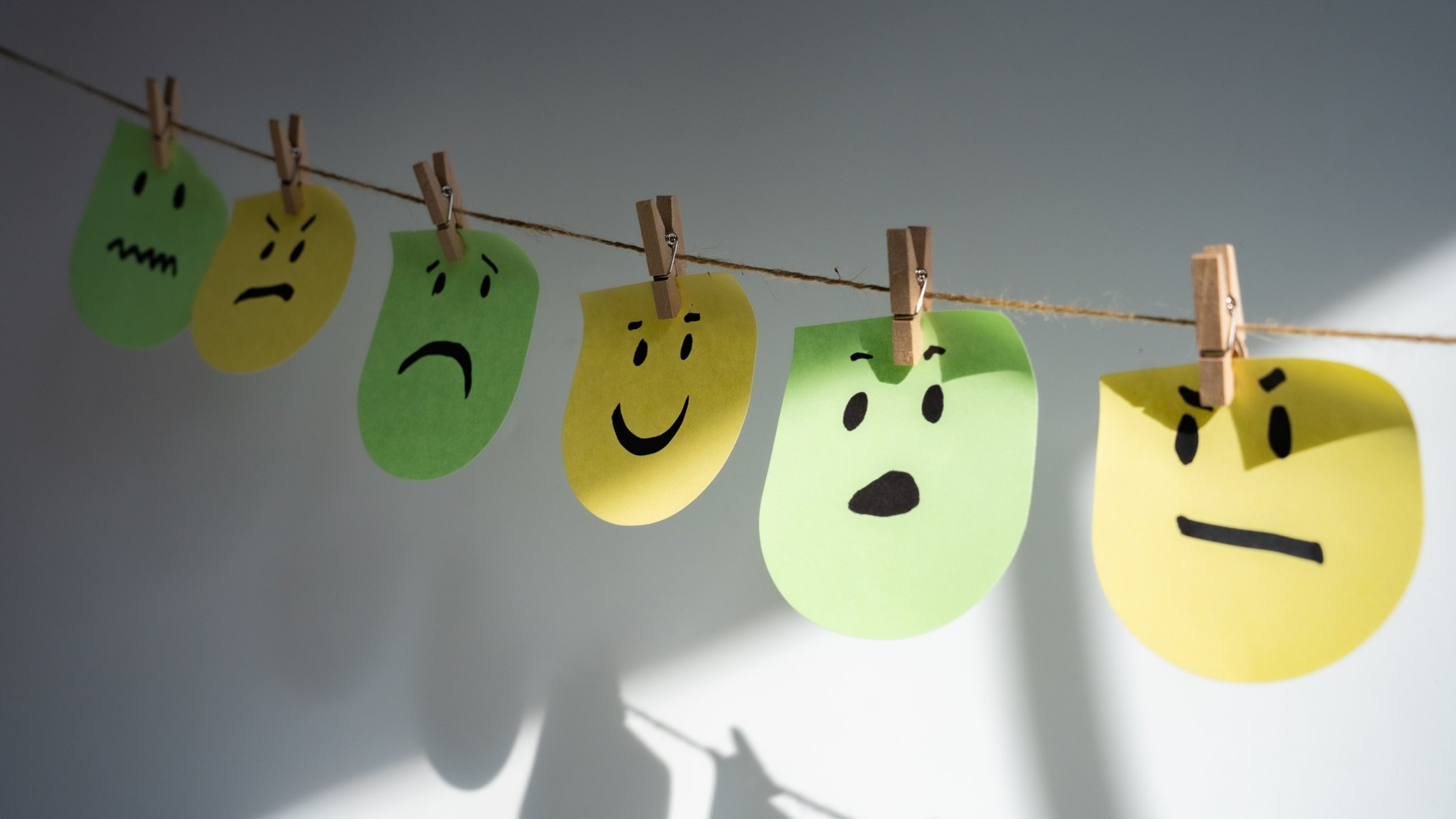
But beneath the surface, something subtler may be happening. Emotional signals that are meant to provide information about the internal state of the individual are repeatedly overridden by the drive to maintain control.
The person becomes highly effective at regulating behavior.
But increasingly disconnected from emotional awareness.
The Efficiency of Avoidance
Emotional avoidance can be surprisingly efficient.
Uncomfortable feelings are often inconvenient. They interrupt productivity. They slow momentum. They complicate decision-making. For someone who values discipline and efficiency, these interruptions can feel like obstacles to be managed rather than signals to be understood.
And so the disciplined mind learns a simple strategy: move past the emotion as quickly as possible.
Work harder. Focus more intensely. Stay busy.
Activity becomes a way to outrun introspection.
In the short term, this strategy can work remarkably well. Productivity remains high. Goals continue to move forward. The person may even appear unusually composed under pressure.
But emotional information does not disappear simply because it has been suppressed.
It accumulates.
The Cost of Chronic Suppression
Psychological research consistently shows that chronic emotional suppression carries hidden costs.
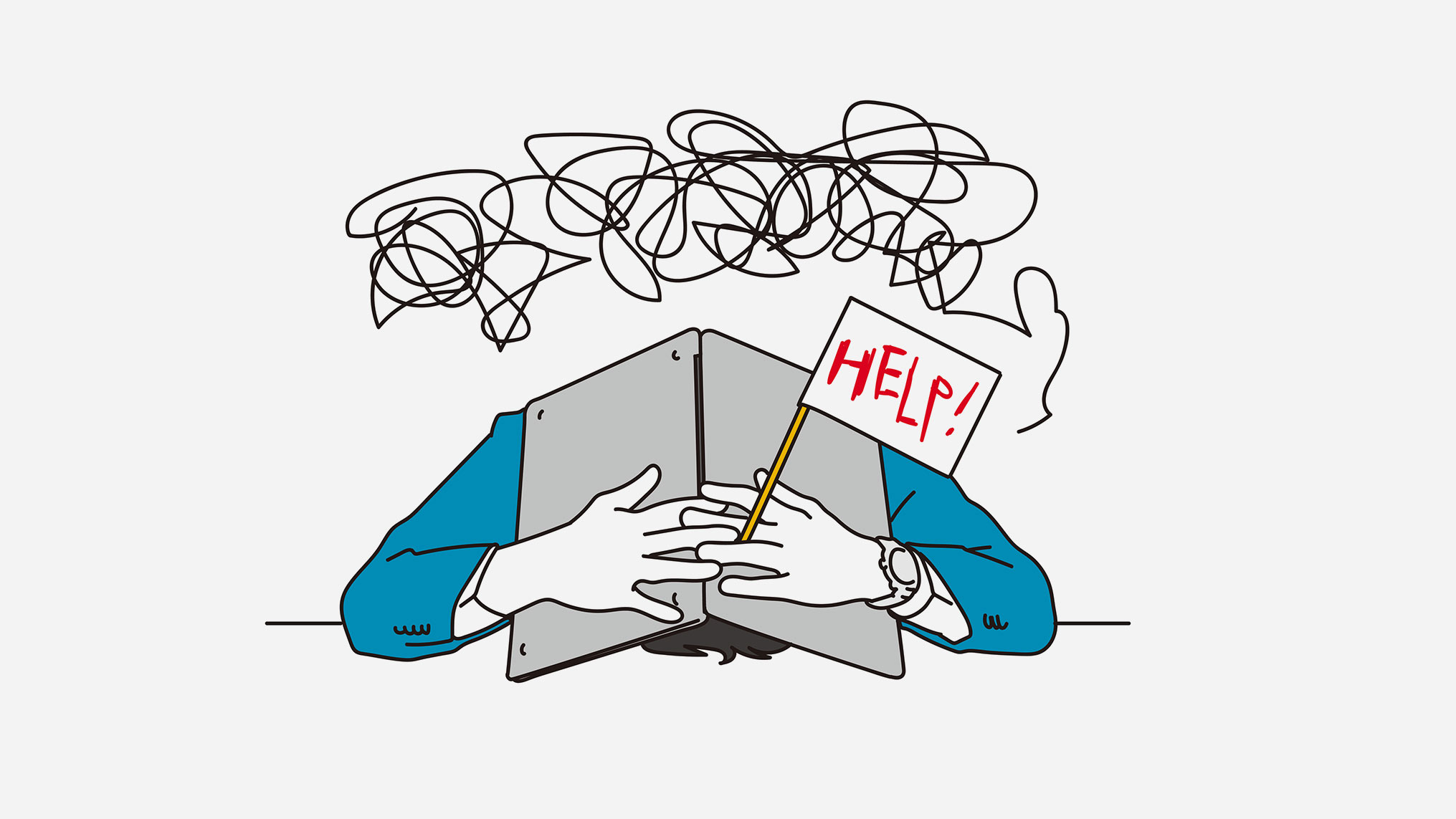
When emotions are repeatedly pushed aside rather than processed, the body often holds onto the unresolved tension. Stress hormones remain elevated longer than necessary. The nervous system stays in a heightened state of vigilance. Over time, this can lead to fatigue, irritability, or a persistent sense of internal pressure.
Perhaps more importantly, emotional suppression can gradually reduce emotional clarity.
If feelings are consistently overridden, the brain becomes less practiced at recognizing and interpreting them. The person may still experience emotional signals, but they appear as vague tension rather than clearly identifiable states.
Instead of feeling sadness, there is restlessness.
Instead of feeling disappointment, there is irritation.
Instead of feeling fear, there is a sudden surge of urgency to work harder.
The emotion is still present.
It has simply changed form.
Discipline as Identity
One of the reasons the shadow side of discipline is difficult to recognize is that disciplined individuals often receive constant reinforcement from their environment.
They are praised for their consistency, admired for their resilience, and trusted for their reliability. Others see them as the steady one, the strong one, the person who always keeps moving forward.
This feedback strengthens the identity.
And identities are powerful forces in human behavior.
When discipline becomes part of how someone defines themselves, stepping away from that identity—even temporarily—can feel threatening. Slowing down may feel like weakness. Acknowledging emotional complexity may feel like losing control.
So the disciplined person doubles down.
More effort. More control. More suppression.
The armor becomes thicker.
The Emotional Signals We Ignore
The irony is that emotions are not enemies of discipline.
They are sources of information.
Frustration often signals misalignment between effort and outcome. Sadness can indicate loss or unmet expectations that deserve acknowledgment. Anxiety frequently highlights uncertainty that requires attention rather than suppression.
When these signals are ignored repeatedly, important adjustments may never occur.
The disciplined person may continue pushing toward goals that no longer hold meaning. They may remain in environments that quietly drain them. They may maintain routines that once served them well but no longer reflect their evolving priorities.
The machinery of discipline keeps moving.
But the compass of emotional awareness becomes harder to read.
The Difference Between Control and Integration
Healthy discipline does not require emotional suppression.
In fact, the most sustainable form of discipline works alongside emotional awareness rather than against it. It allows someone to notice what they are feeling, interpret that information, and still choose a deliberate course of action.
The emotion is acknowledged.
The behavior remains intentional.
This is a very different process from emotional avoidance. Instead of overriding feelings reflexively, the individual allows them to surface, examines them briefly, and then decides how to respond.
Control remains.
But awareness returns.
The Quiet Work of Emotional Processing
For disciplined individuals, emotional processing does not necessarily require dramatic change. It often begins with something much smaller: creating moments where forward motion temporarily pauses.
Time to reflect rather than produce.
Time to ask questions rather than push harder.
What am I actually feeling right now?
Why did that conversation stay with me longer than expected?
What tension keeps resurfacing at the end of the day?
These questions do not weaken discipline.
They refine it.
Because discipline that is guided by emotional awareness tends to be far more adaptive than discipline fueled purely by control.
Strength Without Armor
Discipline remains one of the most valuable traits a person can cultivate. It enables perseverance, builds mastery, and allows individuals to bring difficult ideas into reality.
But discipline is most powerful when it operates as a tool rather than a shield.
When it helps us move toward meaningful goals rather than away from uncomfortable emotions.
When it supports growth instead of quietly protecting avoidance.
True strength is not the absence of emotional complexity.
It is the ability to remain aware of that complexity while still choosing intentional action.
The disciplined person does not need to abandon their self-control.
They simply need to remember that control and awareness were never meant to be enemies.
If You Liked This Article, You May Also Like …
- Scarcity Versus Growth Mindset: Implications for Personal and Professional Development
- The 5 Most Influential Leadership Coaches of the 21st Century: Philosophies, Approaches, and How They Compare
- Leaders: Born or Made?