Emotional Intelligence Series
One of the most confusing experiences in life is achieving everything you thought you wanted and discovering that it still feels wrong.
From the outside, everything appears successful. The career is progressing. The relationships look stable. The milestones have been achieved. The house, the title, the income, the credentials, the social standing, all the visible markers of accomplishment are present. Friends congratulate you. Family members express pride. Society signals approval.
Yet beneath the surface, a quiet dissatisfaction persists.
It is difficult to explain because nothing is obviously broken. There is no crisis to point to. No catastrophe to blame. Instead, there is a persistent sense that something essential has been misplaced along the way.
Many people interpret this feeling as ingratitude or restlessness. They assume they simply need a new goal, a new challenge, or a new achievement. Often, however, the problem runs much deeper.
The issue is not that they have failed.
The issue is that they have succeeded at living a life designed by someone else.
This may be one of the most overlooked emotional struggles of modern adulthood. Many people spend years pursuing goals that were inherited rather than chosen, expectations that were absorbed rather than examined, and definitions of success that originated outside themselves. By the time they realize what has happened, they may have invested decades moving in a direction they never consciously selected.
The emotional cost of that realization can be profound.
The Invisible Architects of Our Lives
Few people arrive at adulthood with a completely independent view of the world.
From the moment we are born, we are immersed in systems of influence. Parents communicate expectations. Schools reward certain behaviors. Religious institutions provide moral frameworks. Communities define acceptable norms. Media presents images of success. Employers establish professional standards. Social networks reinforce cultural values.
This process is not inherently harmful. Human beings require guidance. Socialization is an essential part of becoming a functioning member of society.
The challenge arises when external expectations become internal directives without passing through critical examination.
Many people unconsciously inherit beliefs about what a successful life should look like. They adopt assumptions about careers, relationships, status, wealth, education, politics, and identity long before they possess the maturity to evaluate them independently.
As a result, they often find themselves pursuing goals that feel strangely disconnected from their deeper values.
The danger is not that these goals are objectively wrong.
The danger is that they may not actually belong to the person pursuing them.
Why Approval Feels So Powerful
The human desire for approval is ancient.
Long before modern civilization existed, acceptance by the tribe was directly connected to survival. Belonging provided protection, resources, and opportunity. Rejection carried significant risk. Evolution favored individuals who were highly sensitive to social feedback.
Thousands of years later, that wiring remains largely intact.
Research in neuroscience has repeatedly demonstrated that social rejection activates many of the same neural pathways associated with physical pain. Human beings are not merely uncomfortable with exclusion. They are biologically programmed to avoid it.
This creates a powerful incentive structure.
People quickly learn which behaviors earn praise and which invite criticism, part of the deep human tendency to seek the approval of others. They discover how to gain approval from parents, teachers, peers, managers, and authority figures. Over time, these patterns become deeply ingrained.
The problem is that approval is an unreliable compass.
It can guide behavior, but it cannot determine purpose.
A life organized primarily around external validation often becomes increasingly disconnected from internal fulfillment. Individuals learn how to satisfy expectations while gradually losing touch with their own preferences, convictions, and aspirations.
They become successful performers in a role they never consciously auditioned for.
The Quiet Loss of Authenticity
One of the reasons this process is so difficult to recognize is that it happens gradually.
Rarely does someone wake up one morning and decide to abandon their authentic self. The process unfolds through hundreds of small decisions.
A student chooses a major because it impresses others.
A professional remains in a career that no longer inspires them because leaving would disappoint family members.
An entrepreneur pursues opportunities that generate status rather than meaning.
An executive suppresses unpopular opinions because they threaten advancement.
A parent adopts values they privately question because they fear social judgment.
Each decision appears reasonable in isolation.
Collectively, however, they create a widening gap between the life being lived and the life that feels true.
Psychologist Carl Rogers argued that psychological well-being depends upon congruence, the alignment between one’s authentic self and one’s lived experience. When that alignment deteriorates, emotional tension emerges.
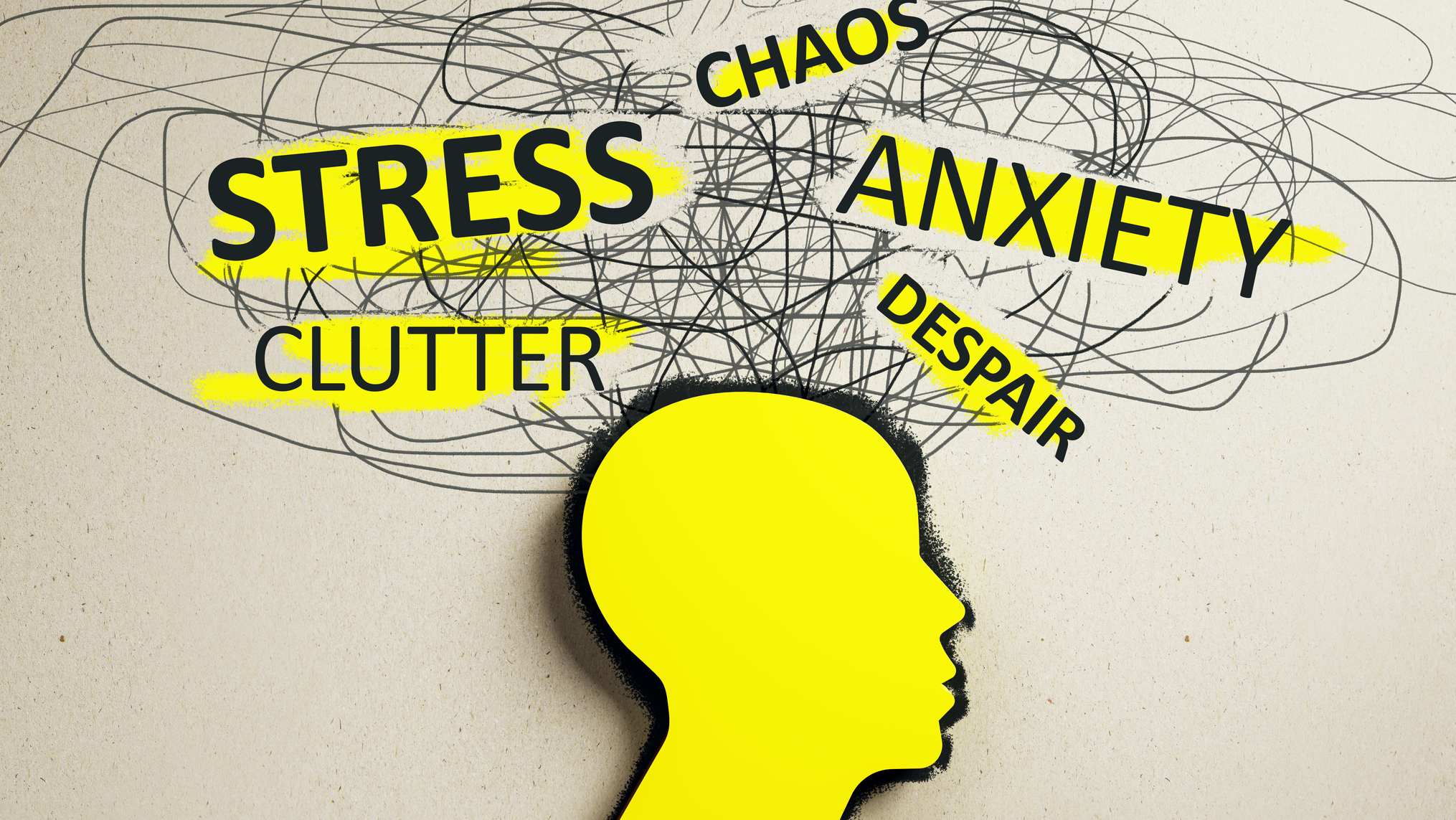
People often experience this tension as anxiety, burnout, chronic dissatisfaction, or a vague sense of emptiness. They may not understand its source because externally their lives appear functional and successful.
What they are experiencing is the emotional burden of incongruence.
The soul, if we may use that term, has a remarkable ability to recognize when it has been ignored.
The Modern Amplification of Expectations
While approval-seeking has always existed, modern society has amplified it dramatically.
Previous generations primarily compared themselves with neighbors, colleagues, friends, and family members. Today’s individuals compare themselves with thousands of carefully curated lives every day.
Social media has transformed comparison into a continuous activity.
Every scroll presents new examples of success, beauty, wealth, influence, achievement, and happiness. Every platform subtly communicates what life is supposed to look like.
The result is a culture increasingly driven by performance.
People are encouraged not merely to live their lives but to present them. Experiences become content. Accomplishments become announcements. Personal identities become brands.
This environment makes authenticity more difficult because it constantly rewards conformity to externally defined standards.
Many individuals find themselves making decisions not because they genuinely desire a particular outcome but because they anticipate how that outcome will be perceived by others.
In such an environment, it becomes increasingly difficult to distinguish personal aspirations from cultural programming.
The Midlife Awakening
Perhaps this explains why so many people experience a profound reassessment during middle age.
Popular culture often describes this phenomenon as a midlife crisis. The phrase is somewhat misleading.
For many individuals, what appears to be a crisis is actually an awakening.
After years of pursuing externally defined goals, they begin asking questions they should have asked much earlier.
Whose life am I living?
Which of my ambitions are genuinely mine?
What have I sacrificed in exchange for approval?
What would I do if I were not concerned about disappointing others?
These questions can be deeply unsettling because they challenge foundational assumptions. They force individuals to confront the possibility that much of their identity has been constructed around expectations rather than convictions.
Yet these questions also create opportunity.
Awareness, while uncomfortable, is the beginning of freedom.
A person cannot reclaim their authentic life until they recognize where it has been surrendered.
The Courage to Redesign Your Life
One of the most difficult realities of adulthood is accepting that authenticity often requires disappointing people.
Parents may not understand your decisions.
Friends may question your choices.
Colleagues may interpret change as instability.
Communities may resist deviation from established norms.
This is why many people remain trapped in lives that no longer fit them. The emotional discomfort associated with disappointing others often feels greater than the discomfort associated with betraying themselves.
In the short term, this calculation appears rational.
In the long term, it becomes costly.
Every year spent ignoring one’s authentic values increases the emotional distance between the life being lived and the life that feels meaningful.
Eventually, the accumulated weight becomes difficult to ignore.
The challenge is not becoming selfish or indifferent to others. Human beings exist within relationships and communities. Responsibilities matter. Commitments matter.
The objective is balance.
A healthy life incorporates consideration for others without surrendering ownership of one’s own identity.
There is an important difference between listening to advice and outsourcing your life.
The Freedom Found on the Other Side
People who eventually realign their lives with their values often describe an unexpected experience.
The external circumstances may not immediately improve.
Some relationships may change. Certain opportunities may disappear. Financial outcomes may become less predictable. Social approval may decline.
Yet despite these losses, many report feeling lighter.
More peaceful.
More integrated.
The reason is simple.
Authenticity reduces internal conflict.
When actions align with values, enormous amounts of psychological energy are no longer consumed managing contradictions. The individual stops performing and starts living.
This does not eliminate uncertainty or difficulty. Life remains complex. Challenges remain inevitable.
What changes is the relationship between the individual and those challenges.
There is a profound difference between struggling toward your own destination and struggling toward someone else’s.
The Question That Matters Most
At the end of life, very few people regret failing to satisfy every expectation placed upon them.
What many regret is failing to honor themselves.
They regret the risks they never took, the convictions they never expressed, the dreams they postponed indefinitely, and the authentic life they kept waiting to begin.
Modern society offers endless opportunities to become what others want you to be.
Far fewer opportunities exist to become who you actually are.
The emotional cost of living a life designed for other people is not merely dissatisfaction. It is the gradual erosion of identity itself.
The greatest tragedy is not failing to achieve success.
It is achieving success and discovering that the person who achieved it is someone you no longer recognize.
The challenge before each of us is therefore deceptively simple.
Before pursuing the next goal, accepting the next promotion, seeking the next achievement, or chasing the next form of approval, we should pause and ask a question that cuts through all external expectations:
If nobody else had a vote, what kind of life would I choose to live?
The answer may reveal the difference between the life you have built and the life that is truly yours.
If You Liked This Article, You May Also Like …
- The Hidden Math of Human Life: Why Success Can Still Produce Emotional Bankruptcy
- Your Environment Is Either Expanding You or Shrinking You
- Why Smart People Normalize Toxic Behavior for Far Too Long