
Emotional Intelligence Series
Emotional intelligence (EQ) is often hailed as a superpower in modern life. And for good reason.
High EQ—defined as the ability to recognize, understand, manage, and influence emotions—helps us communicate better, build trust, resolve conflict, and lead with empathy. Research by TalentSmart shows that 90% of top performers have high emotional intelligence. In leadership, it’s often seen as more important than IQ.
But what happens when this emotional awareness and skill isn’t used to uplift, but to manipulate?
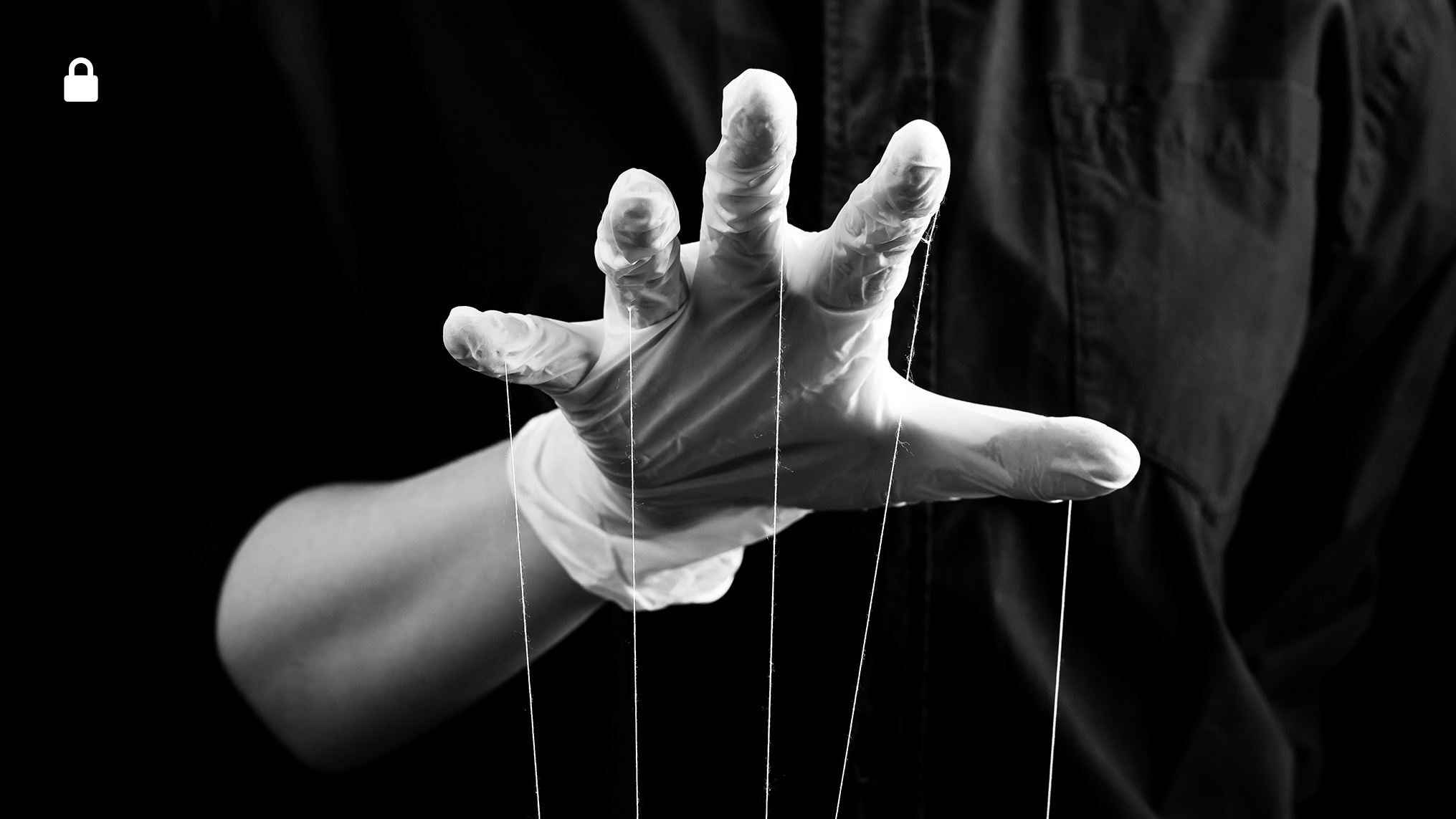
Welcome to the dark side of EQ—where empathy becomes a tool of control, charm is weaponized, and emotional attunement is used not to connect, but to exploit.
From narcissists in the workplace to con artists on social media, there’s a growing trend of people using emotional intelligence not for connection—but for personal gain.
This article explores the tactics, psychology, and red flags of weaponized emotional intelligence—and most importantly, how to protect yourself from it.
What Is Weaponized EQ?
Weaponized EQ refers to the strategic use of emotional awareness and regulation to influence, deceive, or manipulate others for personal benefit.
It’s not about someone lacking empathy. In fact, the most manipulative individuals often score high in certain elements of EQ—particularly emotional perception and social awareness.
A 2016 study published in the Journal of Organizational Behavior found that people high in emotional intelligence were more likely to engage in counterproductive work behaviors, such as manipulation and sabotage—if they had low moral identity. In other words, emotional skill plus ethical weakness can become a dangerous combination.
This flips the script on the traditional narrative that EQ is inherently good. Like any tool—fire, technology, persuasion—its impact depends on intent.
Who Uses EQ as a Weapon?
Weaponized EQ can show up in many forms, but it’s especially common in three types of individuals:
No. 1 — Narcissists
Narcissists can be incredibly skilled at reading emotions and mirroring them back to gain trust. This is often referred to as “cognitive empathy”—the ability to understand what someone feels, without necessarily feeling it yourself. Narcissists may use this to charm, seduce, or manipulate others, especially in the early stages of relationships or job interviews.
No. 2 — Con Artists and Scammers
Con artists are masters at manipulating emotional triggers. They know how to create urgency, gain sympathy, build rapport, and then exploit trust. Many online scams use emotionally intelligent tactics—like love bombing, fake crisis stories, or social proof—to get victims to act against their better judgment.
No. 3 — Power Players
In corporate or political settings, some individuals use EQ to navigate social dynamics ruthlessly. They may detect insecurities, manipulate group emotions, or use charm to climb the ladder—while quietly undermining others behind the scenes.
In each case, the emotional intelligence is real—but it’s leveraged for control, not connection.
Tactics of the Emotionally Intelligent Manipulator
Here are some of the most common EQ-based manipulation tactics—and how to recognize them:
No. 1 — Mirroring for Rapport
Skilled manipulators mirror body language, tone, and emotional state to quickly establish trust and psychological closeness. This tactic makes the other person feel “seen” and understood, creating a false sense of intimacy.
What to watch for: If someone seems too in sync with you, especially early on, or moves unusually fast to establish closeness, it may be strategic—not genuine.
No. 2 — Emotional Hijacking
Manipulators may provoke an emotional reaction—anger, guilt, fear—then position themselves as the solution or voice of reason. This creates a false dependency loop.
What to watch for: If someone frequently creates or escalates drama, then offers comfort or solutions, they may be destabilizing you to maintain control.
No. 3 — Selective Vulnerability
Some emotionally intelligent manipulators use calculated self-disclosure to appear authentic or wounded. This creates a one-sided dynamic where you feel responsible for protecting or saving them.
What to watch for: Vulnerability that feels strategic, overly rehearsed, or used to deflect accountability.
No. 4 — Guilt as a Weapon
High-EQ manipulators can read when you’re uncomfortable saying no—and use that to pressure compliance. They may hint that you’re selfish, unkind, or letting them down if you set boundaries.
What to watch for: Passive-aggressive comments, emotional withdrawal, or moralizing that follows you asserting yourself.
No. 5 — Reputation Management
Many emotionally manipulative people are excellent at managing impressions. They may appear warm, collaborative, and even heroic in public—while being cold, controlling, or toxic in private.
What to watch for: A stark contrast between how someone treats you privately vs. how they perform in front of others.
The Neuroscience Behind the Manipulation
Studies in neuroscience back up the idea that emotionally intelligent people can use their abilities for manipulation. Functional MRI research has shown that individuals with psychopathic traits can activate similar brain regions as empaths when processing others’ emotions—but choose not to act compassionately.
This suggests that empathy, when detached from ethics or conscience, becomes a strategic tool rather than a moral compass.
This aligns with the concept of dark emotional intelligence, which involves using emotional awareness for coercive or exploitative purposes.
Why We Fall For It
High-EQ manipulators are hard to spot because they don’t look like the traditional idea of a manipulator. They’re not overtly aggressive. They don’t bark orders. They listen. They smile. They say all the right things.
We’re conditioned to associate emotional intelligence with safety, trust, and moral goodness. So when someone appears emotionally attuned, we drop our guard—exactly what manipulators count on.
In a workplace or relationship context, this makes victims doubt their own instincts. After all, how can someone so kind be hurting you?
How to Protect Yourself from Weaponized EQ
No. 1 — Don’t Confuse Charm with Character
Charm is a performance. Character is revealed over time. Trust consistency over charisma. Pay attention to how someone treats others, especially when there’s nothing to gain.
No. 2 — Strengthen Your Own Emotional Boundaries
You don’t owe access to people just because they seem emotionally attuned. High EQ doesn’t mean high trustworthiness. Protect your time, energy, and privacy until someone earns deeper access.
No. 3 — Listen to Emotional Dissonance
If your gut says something feels off—even when your head is impressed—listen. Emotional dissonance is often the first sign of manipulation. Trust it.
No. 4 — Watch for Patterned Behavior
One-off charm isn’t the issue. Look for repeated patterns of manipulation, guilt-tripping, control, or inconsistency. Patterns don’t lie.
No. 5 — Cultivate Cognitive Empathy with Discernment
You can be compassionate and still discerning. You can hold space for others without letting them rearrange your reality. Emotional intelligence isn’t about absorbing—it’s about understanding without surrendering yourself.
Emotional Intelligence Needs a Moral Compass
The cultural hype around EQ is well-earned—but dangerously incomplete.
We must stop treating emotional intelligence as inherently good. Like any form of intelligence, it can be twisted into something harmful when separated from ethics, humility, and self-awareness.
True EQ isn’t just about being emotionally smart—it’s about being emotionally honest.
So yes, develop your emotional intelligence. But also, sharpen your discernment. Because the most dangerous people aren’t always the loudest or most aggressive.Sometimes, they’re the ones who know exactly what you want to hear—and how to use it against you.