
Emotional Intelligence Series
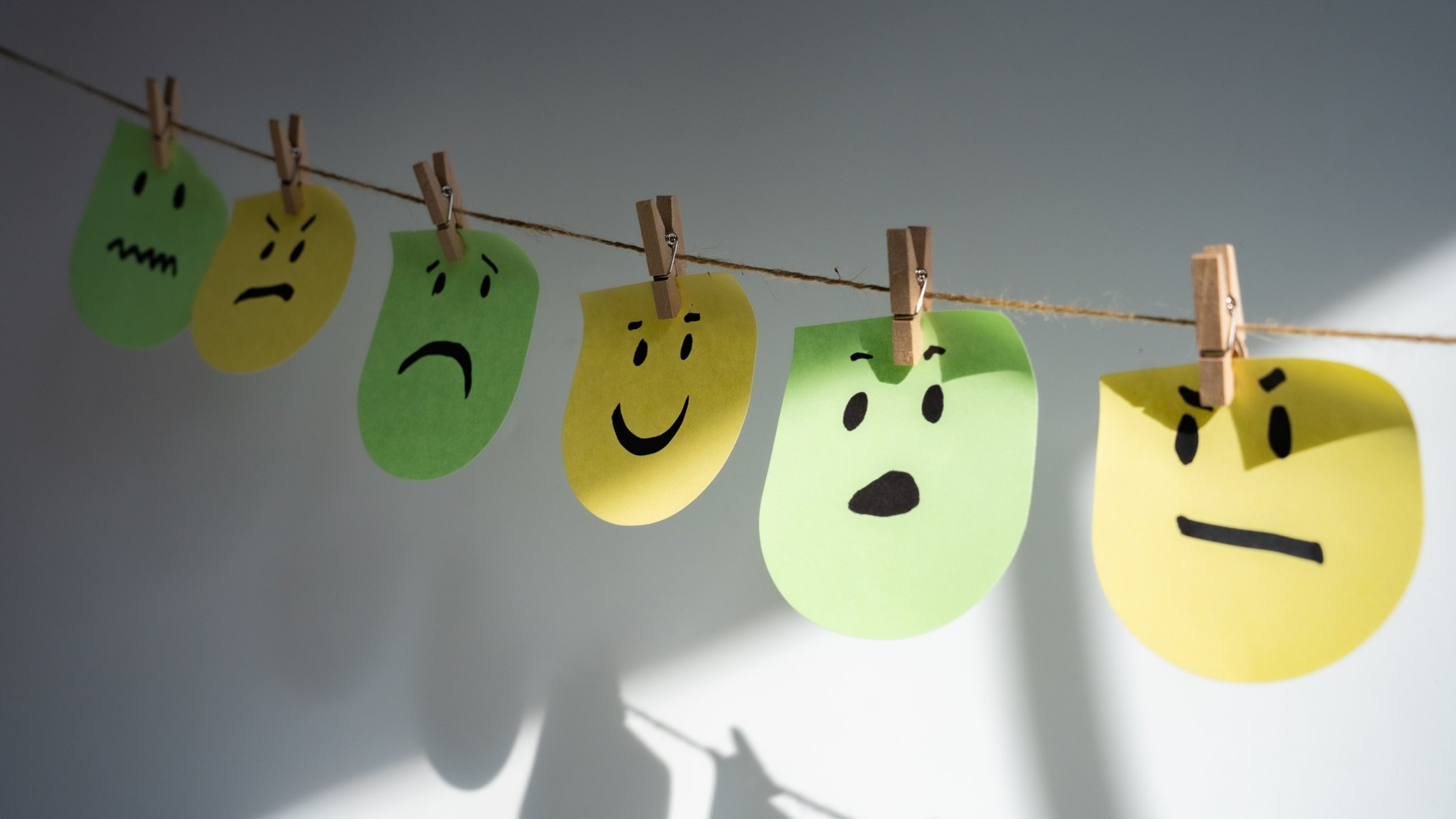
In today’s world, we’re surrounded by messages that glorify emotional expression. We’re encouraged to “wear our hearts on our sleeves,” “show vulnerability,” and “bring our whole selves to work.” Social media rewards emotional transparency, and many leadership models emphasize openness as a path to trust and connection.
But what about those who don’t naturally lead with emotion? What about the people who process quietly, speak thoughtfully, and experience the world with a kind of emotional minimalism — a preference for simplicity, restraint, and calm in their emotional expression?
Emotional minimalism isn’t coldness, repression, or avoidance. It’s a way of relating to the world where less emotional display doesn’t mean less emotional depth. And it brings powerful, often overlooked strengths to relationships, teams, and creative work.
In this article, we’ll explore what emotional minimalism really is, why it’s often misunderstood, and how we can recognize and value its quiet power.
What Is Emotional Minimalism?
At its core, emotional minimalism is the preference for simplicity, clarity, and economy in emotional expression. Emotional minimalists:
- Feel deeply, but don’t always show it outwardly.
- Prefer calm, balanced emotional environments.
- Tend to be thoughtful rather than reactive.
- May choose their words carefully, especially around sensitive topics.
- Value emotional restraint as a form of respect — for themselves, for others, and for the moment.
Emotional minimalism doesn’t mean someone lacks empathy, connection, or passion. It means they channel those feelings differently — often in quieter, subtler, and more intentional ways.
Why Emotional Minimalists Are Misunderstood
In a culture that often equates emotional display with authenticity, emotional minimalists can easily be misread:
- As cold or detached. Because they don’t “perform” emotions outwardly, others may assume they don’t feel strongly.
- As aloof or unapproachable. A reserved demeanor can be mistaken for disinterest or superiority.
- As disengaged. When emotional minimalists choose listening over reacting, some may wrongly believe they’re not invested.
In reality, emotional minimalists often care deeply — but they express that care in measured, purposeful ways.
The Strengths of Emotional Minimalism
Let’s flip the narrative. Emotional minimalism brings strengths that are deeply valuable, especially in leadership, relationships, and creative environments.
No. 1 — Calm in the storm
Emotional minimalists are often anchors in chaotic situations. Their steady demeanor provides psychological safety to those around them. When others are reactive, they are reflective — able to slow down, assess, and respond thoughtfully.
In leadership, this means:
- They can de-escalate tense moments.
- They project confidence and stability under pressure.
- They model emotional regulation for their teams.
No. 2 — Clarity in communication
Because emotional minimalists are intentional with their words, what they do say often carries more weight. They don’t flood conversations with unnecessary noise or reactive emotion. This can:
- Help teams focus on substance over drama.
- Foster more meaningful dialogue.
- Reduce misunderstandings caused by emotional overload.
No. 3 — Respect for boundaries
Emotional minimalists often intuitively respect the emotional space of others. They don’t overshare or demand emotional labor from those around them. In doing so, they create environments where people feel safe from emotional overreach or volatility.
No. 4 — Depth without display
Emotional minimalists may not outwardly emote in big, visible ways — but they often feel deeply. They process, reflect, and may express their emotional depth through thoughtful actions rather than words:
- A quiet act of kindness.
- A carefully chosen gift.
- A well-timed gesture of support.
No. 5 — Focus on solutions over reactions
Because they’re less likely to get swept up in emotional highs and lows, emotional minimalists tend to focus on resolving issues rather than amplifying them. This can be invaluable in problem-solving, negotiation, and crisis management.
Potential Pitfalls — And How to Avoid Them
Like any style, emotional minimalism has potential blind spots. Awareness helps mitigate these:
Risk: Being perceived as distant
Solution: Pair your emotional restraint with explicit verbal signals of care, interest, or support. For example, “I may seem quiet, but I want you to know I’m fully here for you.”
Risk: Creating emotional ambiguity
Solution: Check in with people proactively. Don’t assume they know what you’re feeling or thinking just because you believe it’s obvious through your actions.
Risk: Missing opportunities for connection
Solution: Remember that some people need visible emotional cues to feel connected. Stretch yourself where it matters — a kind word, a smile, a small moment of shared vulnerability.
How Emotional Minimalists Enrich Teams and Relationships
When understood and valued, emotional minimalists contribute profound gifts to the dynamics around them:
They create emotional steadiness. In a world full of noise, their quiet presence brings balance. They’re often the person others turn to when things get hard.
They model thoughtful pacing. Emotional minimalists remind us that we don’t always need to react instantly or dramatically. They give permission to slow down, reflect, and respond with intention.
They honor emotional privacy. Their respect for boundaries can help create workplaces and relationships where people feel safe from emotional intrusion.
They balance teams. In groups filled with expressive personalities, emotional minimalists provide grounding energy. They complement and balance more outwardly emotional colleagues.
For Emotional Minimalists: How to Lead with Your Style
If you identify as an emotional minimalist, own it — but also stay aware of how to use it effectively:
Communicate your style. Let your team, friends, or partner know: “I may not always show big emotions, but I care deeply. You can always come to me.”
Lean into your strengths. When situations get tense, your calm is a superpower. Use it intentionally to help others stay grounded.
Stretch where it counts. There are moments when a little more visible warmth or encouragement can make a huge difference. Identify those moments and challenge yourself to step into them.
For Leaders and Colleagues of Emotional Minimalists
If you work with or lead emotional minimalists:
Don’t mistake quiet for disengagement. Check in and ask — you may discover they’re processing deeply and thoughtfully.
Appreciate the calm. Notice and value how their steadiness supports the group.
Create space for all styles. Teams thrive when there’s room for both expressive and restrained emotional styles. Celebrate the diversity of emotional expression.
Less Can Be More
In a world that often equates emotional visibility with emotional depth, it’s easy to overlook or misjudge emotional minimalists. But their quiet strength, intentionality, and respect for emotional boundaries bring vital balance to our relationships, teams, and cultures.
The next time you encounter someone who doesn’t wear their heart on their sleeve — or recognize this trait in yourself — pause. Look deeper. There’s often profound care, wisdom, and presence in that negative space.Because sometimes, the quietest emotional signals are the most powerful of all.