Personal Development Series
Personal development is supposed to help us grow. To become more aware, more capable, more grounded. At its best, it sharpens self-understanding and supports real change. But somewhere along the way, growth culture took a subtle turn.
For many people, personal development has become a way to stay busy without becoming honest.
Books are read. Podcasts are consumed. Frameworks are collected. Language becomes more refined. And yet, the same patterns remain. The same conversations are avoided. The same decisions are delayed. The same discomforts are intellectualized rather than confronted.
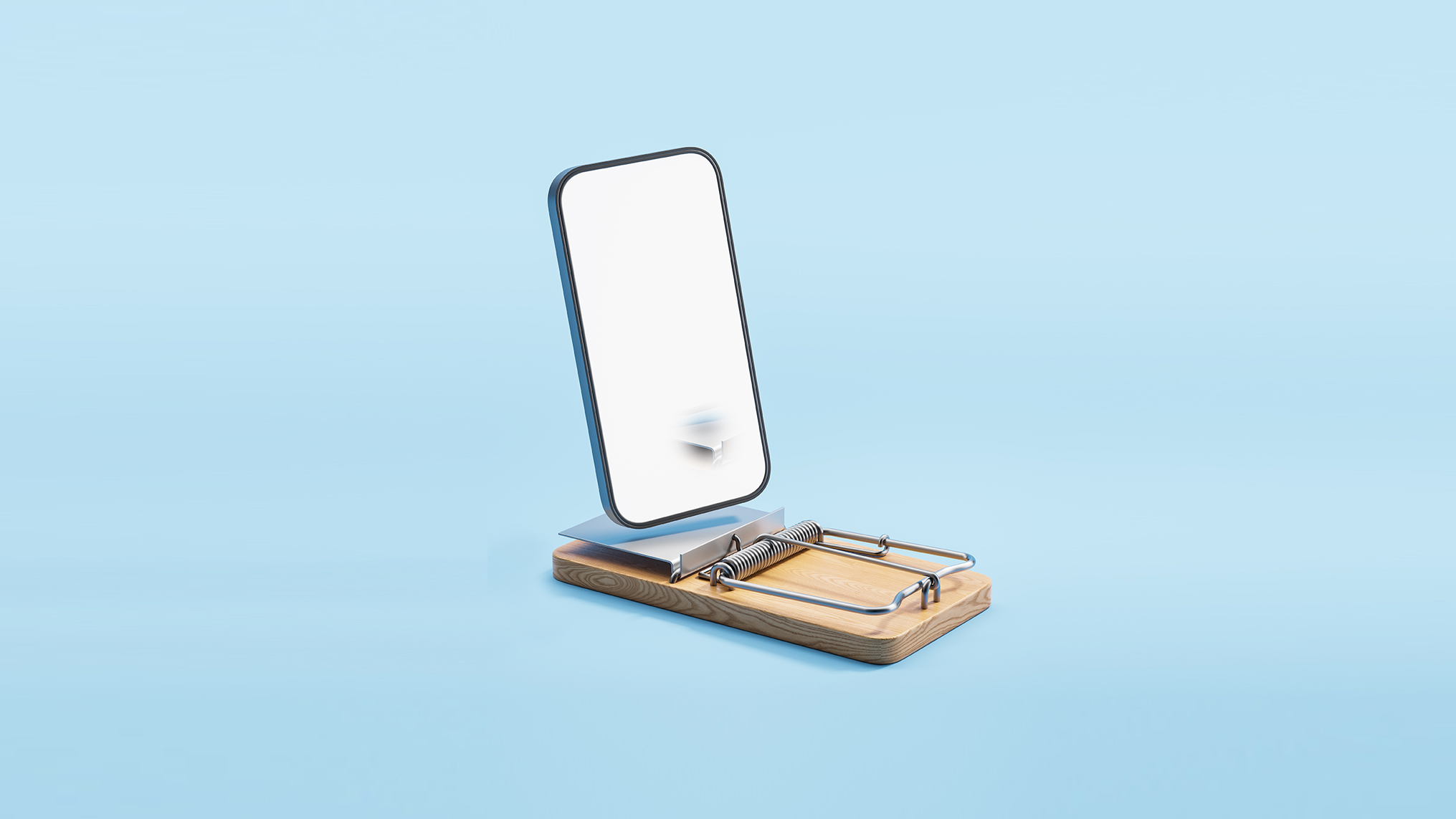
This is the trap. Growth that feels productive but functions as avoidance.
Why Growth Can Become a Safe Distraction
Real change is uncomfortable. It requires exposure, risk, and often loss. It asks us to tolerate uncertainty and sit with consequences. Personal development, when misused, offers an appealing alternative.
It allows us to work on ourselves without actually changing anything.
Learning feels safer than acting. Insight feels safer than responsibility. Planning feels safer than choosing. We can stay in motion while never crossing the line where something irreversible might happen.
This is why people can spend years “working on themselves” while their relationships stay stagnant, their careers feel misaligned, and their inner conflicts remain unresolved. Growth becomes a buffer between us and the hard edges of reality.
As Carl Jung once warned, “One does not become enlightened by imagining figures of light, but by making the darkness conscious.” Much of modern self-help encourages the opposite—endless illumination without confrontation.
When Insight Replaces Accountability
Insight is powerful, but it is not sufficient. Understanding why you behave a certain way does not automatically change the behavior. In fact, insight can become a sophisticated excuse.
“I know why I do this” quietly replaces “I need to stop doing this.”
We become fluent in our own narratives. Childhood wounds, attachment styles, trauma responses, personality frameworks—all of them can be useful lenses. But when they are used to explain behavior without changing it, they become protective stories.
Growth language becomes a shield. Instead of setting boundaries, we talk about boundaries. Instead of having hard conversations, we analyze why they’re hard. Instead of taking risks, we prepare endlessly.
At some point, self-understanding without self-interruption stops being growth.
The Dopamine Loop of Self-Optimization
Personal development often taps into the same reward systems as social media or productivity hacks. New ideas create novelty. Novelty releases dopamine. Dopamine creates the feeling of progress.
But feeling progress is not the same as making progress.
The constant search for the next insight, tool, or reframe can become compulsive. We chase clarity instead of commitment. We optimize ourselves instead of engaging with life as it is.
Ironically, this obsession with improvement can deepen dissatisfaction. The more we consume growth content, the more flawed we feel. There is always another mindset to fix, another habit to build, another layer of self to refine.
Growth becomes endless, and peace becomes conditional.
Avoidance Disguised as Awareness
One of the clearest signs of the personal development trap is when awareness increases but action does not. You know what you need to do, but you keep preparing instead of doing it.
You know a relationship is misaligned, but you keep reading about communication styles. You know a job no longer fits, but you keep refining your purpose statement. You know a boundary is needed, but you keep working on your confidence first.
This is not lack of intelligence. It is fear, dressed up as growth.
As the writer Mark Manson put it, “You can be addicted to personal growth just like anything else.” The addiction is not to improvement, but to the feeling of becoming without the risk of being seen.
When Growth Avoids Grief
True growth often involves grief. Letting go of an identity. Accepting a limitation. Acknowledging that something will not change. Many people unconsciously use personal development to avoid this grief.
If I can fix myself enough, maybe I won’t have to accept the loss.
But some things are not solved by growth. They are resolved by acceptance. No amount of optimization can undo certain truths. Growth that refuses grief becomes brittle and performative.
Paradoxically, acceptance often unlocks more growth than striving ever did.
The Difference Between Growth and Integration
Healthy growth eventually leads to integration. What you learn becomes embodied. What you understand changes how you behave. What you see alters what you tolerate.
Integration is quieter than learning. It is less exciting. There are fewer “aha” moments. But it is where real transformation lives.
If your growth journey keeps producing insights but not different choices, it may be time to pause the input and examine the output. Growth is not measured by how much you know about yourself, but by how differently you live.
Growth That Actually Changes Things
Real personal development eventually narrows your focus. It simplifies rather than expands. It clarifies what matters and exposes what doesn’t.
It leads to fewer books, not more. Fewer frameworks, not more. Fewer explanations, not more. And more action where it counts.
At some point, growth stops asking, “What else can I learn?” and starts asking, “What am I avoiding?”
That question is uncomfortable. And that is why it is powerful.
Choosing Courage Over Consumption
The most honest growth moments rarely feel like growth at all. They feel like risk. Like exposure. Like saying something you’ve been rehearsing in your head for years. Like leaving something that once defined you. Like staying and changing how you show up.
Growth, when it is real, disrupts comfort. It does not decorate it.
The goal of personal development was never to endlessly improve the self. It was to help us engage more fully with life. When growth becomes a substitute for living, it has lost its way.
Sometimes the next step is not another insight.
It’s a decision.