
Listen to this week’s Insights, 30 min, read by Simon
Deep Dives Articles
DEEP DIVES ARTICLE — EMOTIONAL INTELLIGENCE

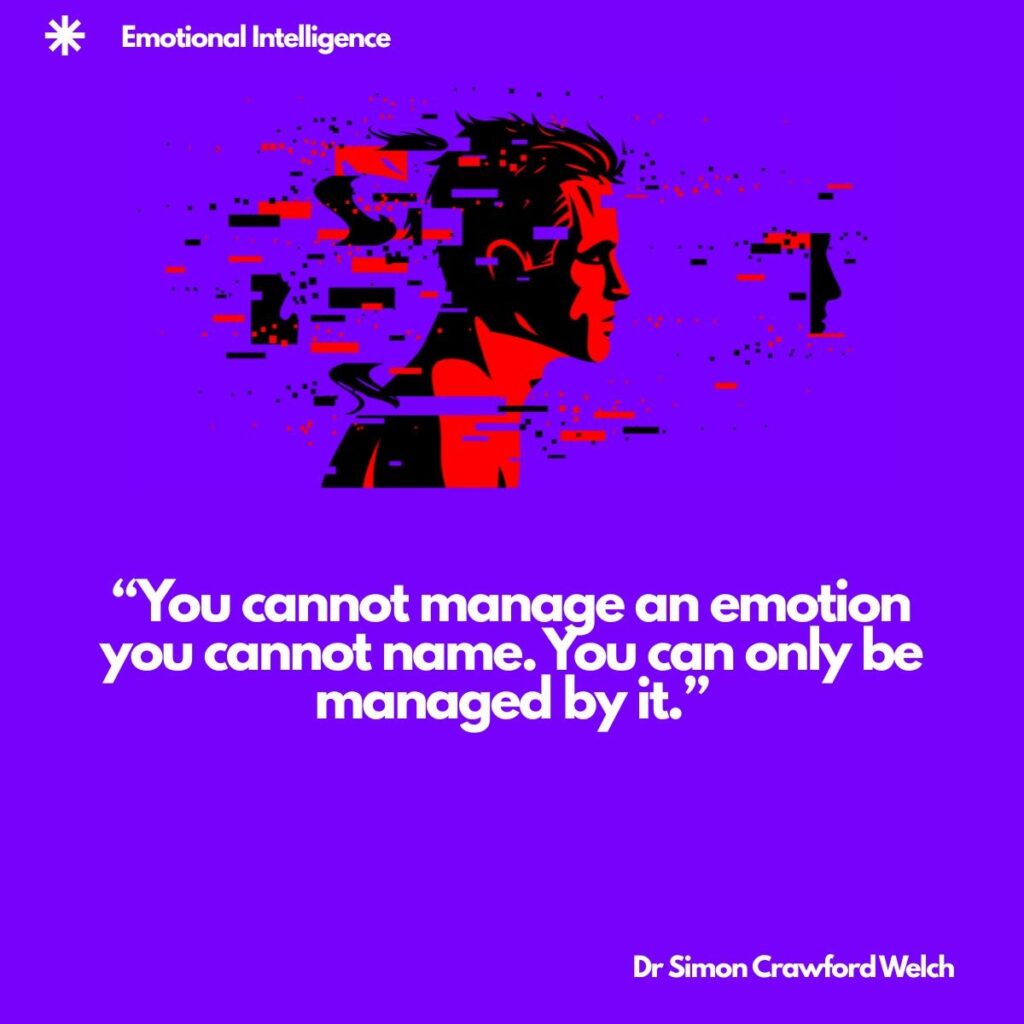
You Cannot Manage an Emotion You Cannot Name
This is a sneak peek of this week’s Deep Dives article. Published today!
Emotional maturity is not about feeling less. It is about understanding what you are feeling before it starts speaking for you. This Deep Dive explores why vague emotions create vague behavior, why anger often hides hurt, fear, shame, or disappointment, and why leaders, partners, parents, and professionals cannot regulate what they refuse to name. The real work is not to suppress emotion, but to tell the truth about it with enough precision that you can choose your next move instead of letting the emotion choose it for you.
DEEP DIVES ARTICLE — PERSONAL DEVELOPMENT

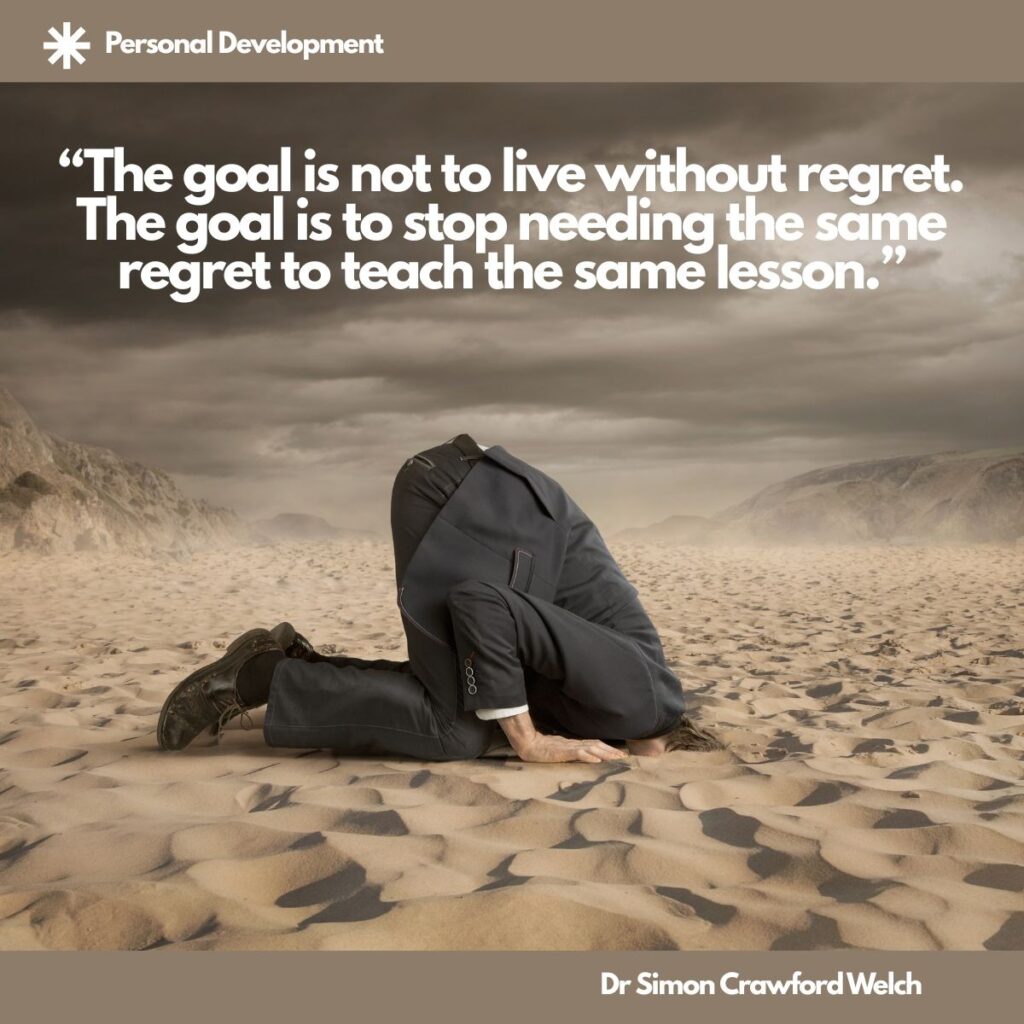
Regret Is Not the Enemy. Repetition Is.
This is a sneak peek of this week’s Deep Dives article. Published today!
Regret has a purpose when we are brave enough to listen to it. It can reveal the gap between who we were in a moment and who we are capable of becoming. The real danger is not regret, but repeating the same pattern with better explanations, familiar excuses, and more polished apologies. This Deep Dive looks at why regret can become instruction rather than identity, and why growth begins when the lesson finally changes the pattern.
DEEP DIVES ARTICLE — LEADERSHIP

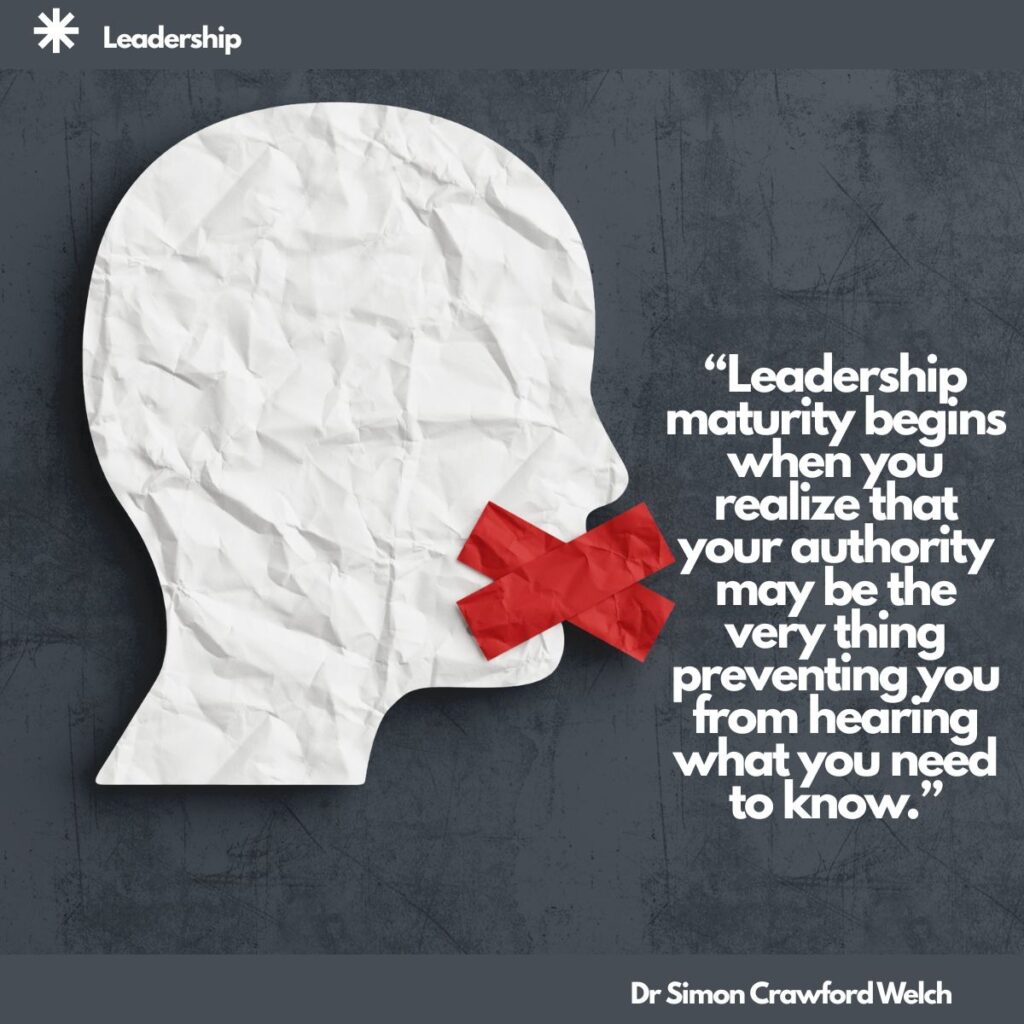
Leadership Gets Strangely Quiet at the Top
This is a sneak peek of this week’s Deep Dives article. Published today!
The higher leaders rise, the more carefully truth tends to enter the room. People still talk, meetings still happen, dashboards still arrive, and updates still sound polished, but the honesty often becomes thinner. This Deep Dive explores why power changes what people are willing to say, how leaders unknowingly create emotional weather around them, and why the strongest leaders are those disciplined enough to stay reachable, ask better questions, and notice when silence is no longer agreement, but self protection.
Deep Dives Book Summary
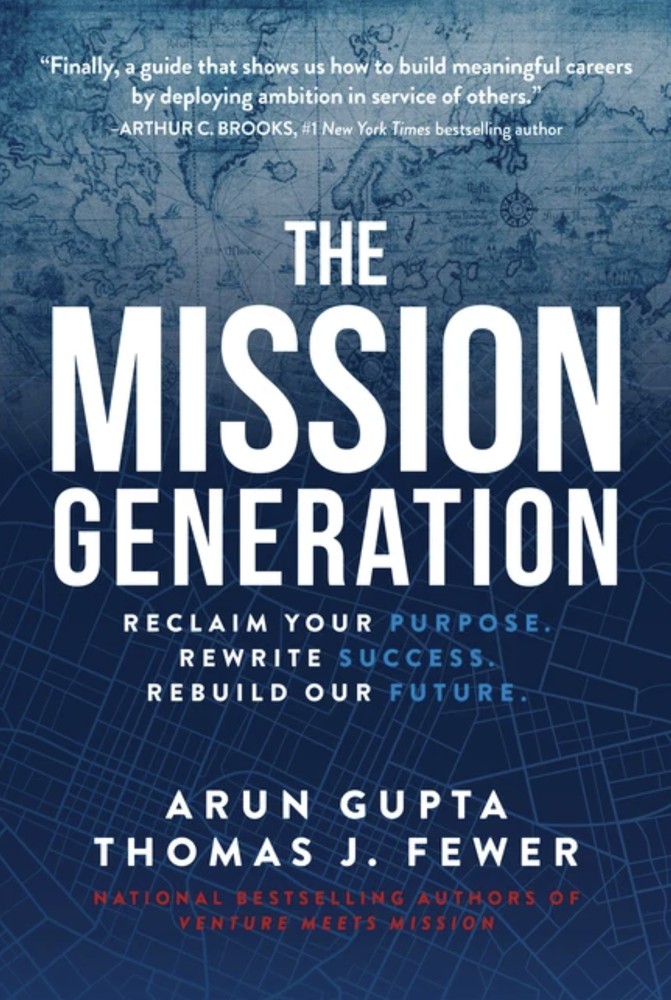
The Mission Generation: Reclaim Your Purpose, Rewrite Success, Rebuild Our Future
By Arun Gupta and Thomas J. Fewer
This is a sneak peek of this week’s Deep Dives book summary. Published today!
What if the real career question is no longer, “How do I get ahead?” but “What problem am I here to help solve?” In The Mission Generation, Arun Gupta and Thomas J. Fewer challenge the old ladder-based view of success and offer a more modern, more useful compass for a world shaped by disruption, uncertainty, AI, institutional strain, and changing definitions of work. This Deep Dive explores why purpose is not a luxury, why mission can become a practical navigation system, and how careers can be redesigned around trust, health, learning, experience, financial resilience, and meaningful contribution rather than status alone.
Quick Reads
QUICK READ — EMOTIONAL INTELLIGENCE
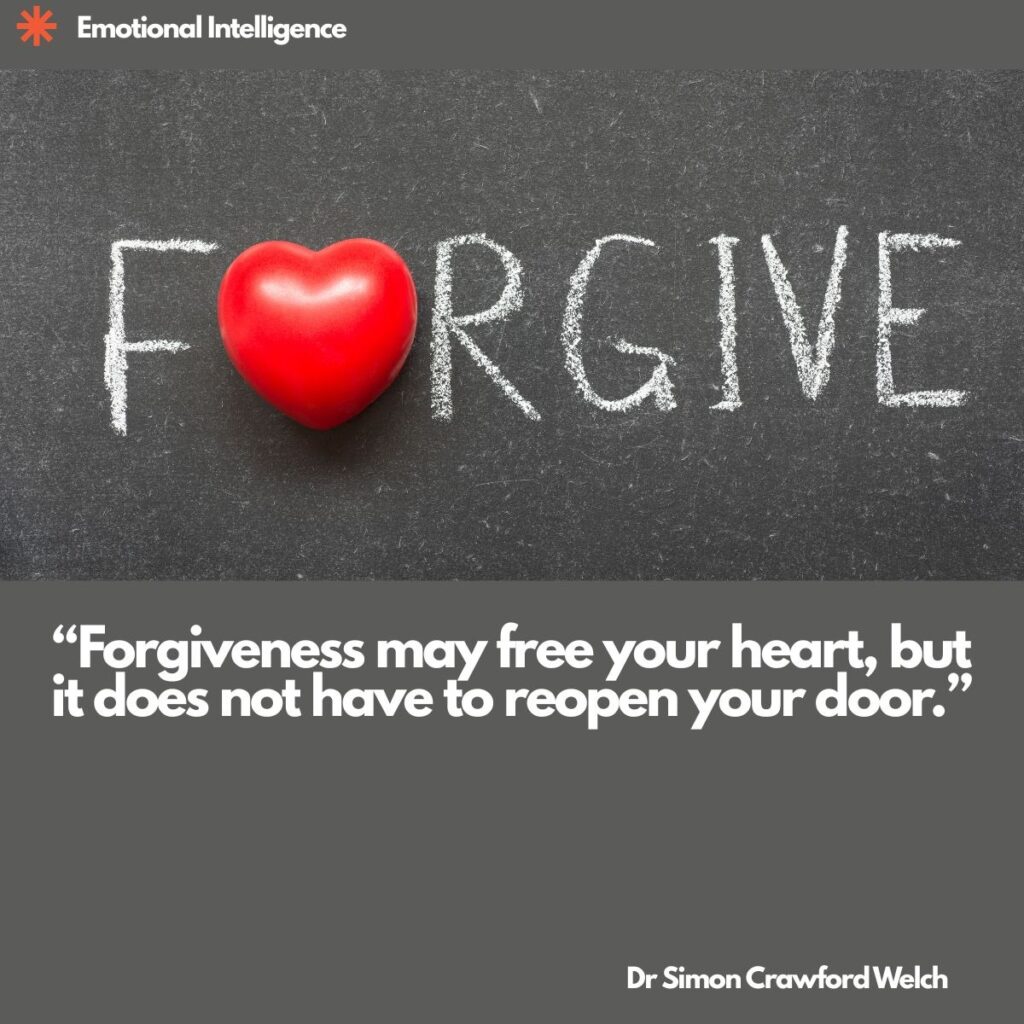
You Can Forgive Someone Without Letting Them Back In
Forgiveness is one of the most misunderstood ideas in adult life. We treat it as though it comes with a set of social obligations: forgive them, meet them halfway, restore the relationship, stop bringing it up, be the bigger person, move on. The language sounds noble, even spiritual. But beneath it is often a dangerous confusion between releasing resentment and removing discernment.
You can forgive someone without letting them back in.
That sentence unsettles people because it challenges the sentimental version of forgiveness many of us inherited. But some relationships do not deserve restoration simply because the person who caused harm wants relief from the consequences of their behavior.
Forgiveness may free your heart. It does not have to reopen your door.
Forgiveness Is Not the Same as Access
Forgiveness is an internal act. Access is a relational decision. The two may overlap, but they are not the same.
You may forgive someone because you no longer want your life organized around anger. That kind of forgiveness can be powerful. It returns energy to the person who was hurt.
But access requires a different standard. Access asks whether the person is safe, honest, accountable, consistent, and capable of relating differently than before. Forgiveness looks backward at what happened. Access looks forward at what is likely to happen next.
The Pressure to Make Everyone Comfortable
Many people prefer reconciliation because it tidies the story. It allows families, workplaces, friendships, and communities to return to a more comfortable narrative.
But the desire for comfort often belongs more to observers than to the person who was harmed.
People who were not injured may want the injured person to move faster because the unresolved boundary inconveniences them.
But peace built on denial is not peace. It is the old pattern with better manners.
Accountability Is the Bridge Back
Letting someone back in should not depend on their apology alone. Apologies can be sincere. They can also be strategic. Some people apologize because they understand the harm. Others apologize because they miss the access.
The difference reveals itself over time.
Real accountability does not rush the injured person toward trust. It says, in effect, “I understand why trust changed, and I am willing to live differently long enough for my behavior to become believable.”
If someone harmed you and then becomes irritated by the consequences of that harm, they may not be seeking repair. They may be seeking relief.
The bridge back is not guilt. It is changed behavior.
Boundaries Are Not Bitterness
One of the cruelest misunderstandings about boundaries is the idea that they prove someone is still bitter. In truth, boundaries often prove the opposite.
Bitterness says, “I want you to suffer forever.” A boundary says, “I am no longer willing to suffer in the same way.”
Those are not the same.
A person can wish someone well from a distance. Love does not require proximity. Compassion does not require availability. Forgiveness does not require forgetting what someone has shown you.
In mature relationships, trust is not a right granted permanently at the beginning. It is a condition sustained by behavior. When behavior repeatedly damages trust, distance may become the most honest response.
The Freedom of Releasing the Debt
Forgiveness, at its deepest, is not pretending the injury was small. It is choosing not to keep presenting the emotional invoice to someone who may never be willing or able to pay it. It means you stop making your inner freedom dependent on another person’s awakening.
Some people cannot face the truth of what they did without collapsing into shame or defensiveness.
Forgiveness is the decision not to let their limitations become your prison.
Choosing Who Gets the New Version of You
Healing changes your standards. Once you have done the painful work of becoming whole again, you become more careful about who gets access to that wholeness. That is not arrogance. It is stewardship.
Some people will mistake your peace for an invitation to return. But peace is not permission. It simply means you are no longer standing guard at the wound every day.
You can release someone emotionally and still refuse to rebuild the old bridge. You can forgive the past and still make wiser decisions about the future.
Forgiveness is not a contract that gives someone renewed access to your trust. It is a release that gives you renewed access to yourself.
QUICK READ — PERSONAL DEVELOPMENT
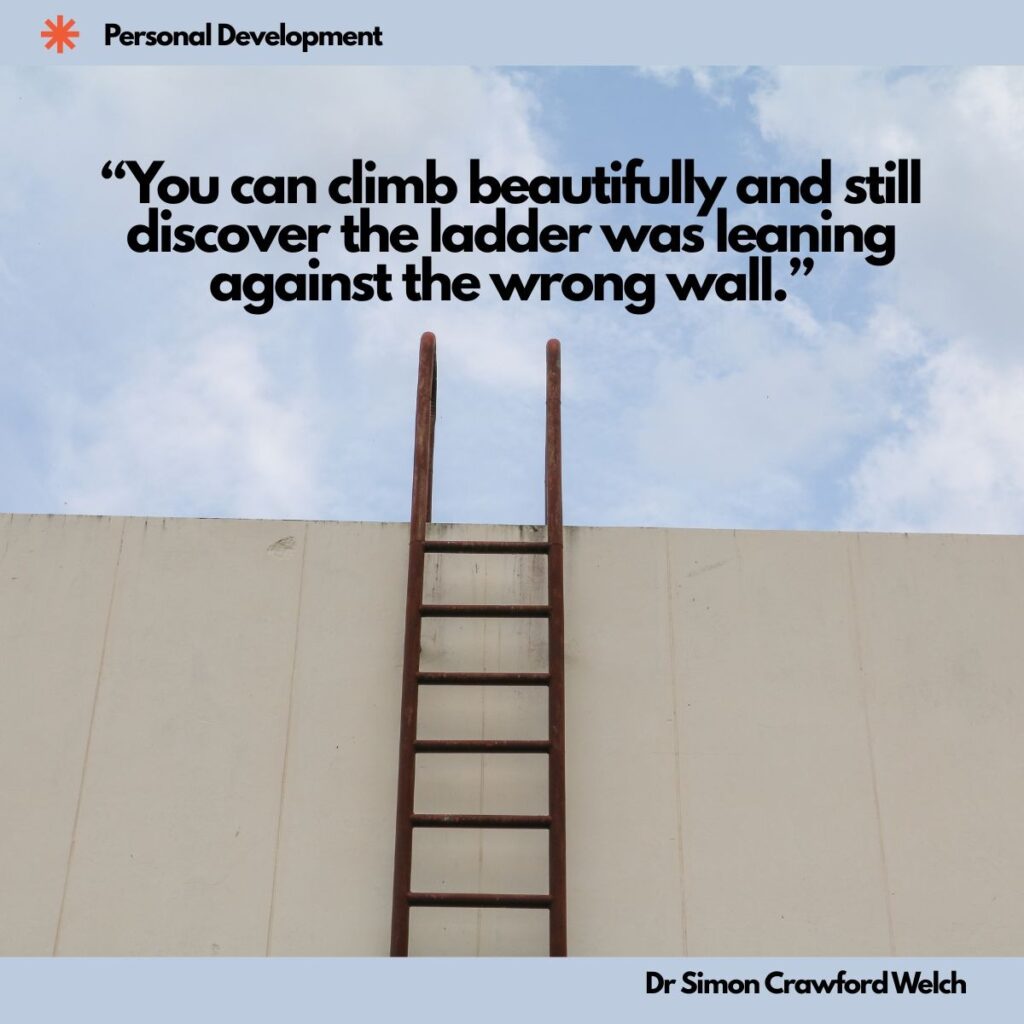
A Successful Life Can Still Be the Wrong Life
There is a particular kind of success that looks undeniable from the outside. The career is impressive. The house is beautiful. The calendar is full. The reputation is strong. The résumé tells a coherent story of ambition, discipline, and achievement.
But the outside view can be dangerously incomplete.
A life can be successful by every conventional measure and still feel strangely misaligned to the person inside it. You can win the title and lose your peace. You can spend years climbing a ladder only to realize, with a quiet dread that is hard to admit publicly, that the ladder was leaning against the wrong wall.
That is one of adulthood’s more uncomfortable truths. Success does not automatically prove that the life is right. Sometimes it only proves that you were disciplined enough to become excellent at something that no longer belongs to you.
The Seduction of the Approved Life
Most of us do not choose our definitions of success as freely as we imagine. Long before we have enough wisdom to know ourselves, the world begins handing us scorecards. We learn what receives approval, and then we begin shaping ourselves around it.
The problem is that approval can become a substitute for inner authority. We become so practiced at asking, “What will this look like?” that we forget to ask, “What will this do to me?”
When Achievement Becomes a Distraction
Achievement can be one of the most elegant ways to avoid ourselves. It keeps us busy, praised, and justified. It allows us to stay in motion long enough that we do not have to sit still with the questions we are afraid to answer.
Do I actually want this life, or am I simply good at maintaining it? What part of me has had to go quiet for this version of success to survive?
Those questions are dangerous because they threaten the architecture of a life that may be working on paper. Achievement can keep the existential reckoning just far enough away to remain tolerable.
But eventually, the soul sends invoices the résumé cannot pay.
The signs are often subtle at first. You find yourself envying people with less status but more ease, less money but more freedom, less applause but more aliveness.
That envy may be telling you something important.
The Difference Between Success and Fit
A successful life and a fitting life are not the same thing. Success often measures outcomes. Fit measures alignment. Success asks whether you reached the goal. Fit asks whether the goal still belongs to you.
This distinction matters because people change. The identity that once felt powerful may become a costume you no longer know how to remove.
There is no shame in outgrowing a dream. The shame is pretending you have not because the world still claps when you perform it.
The Fear of Disappointing the Audience
One reason people stay in the wrong successful life is that success attracts witnesses. Once others admire your path, it becomes harder to change direction.
But living for the audience is expensive. The applause fades quickly, and you are still left inside the life.
At some point, maturity requires the willingness to disappoint people who were only attached to the version of you they could understand. It means recognizing that a life built primarily to preserve other people’s perception is not truly yours.
The Courage to Reassess
Reassessing a successful life is not ingratitude. It is stewardship.
The question is not whether the life has value. It may have enormous value. The question is whether it still has truth.
This is not failure. It is discernment.
Failure is staying loyal to a life that no longer fits because you are too afraid to revise the story.
The Life That Can Hold You
A successful life may impress people. The right life must be able to hold you.
The deepest question is not, “Am I successful?” The deeper question is, “Can I still recognize myself inside this success?”
If the answer is no, then something has to be reconsidered.
A successful life can still be the wrong life. But that realization does not have to arrive as tragedy. It can arrive as invitation. It can be the moment you stop performing the life that impresses others and begin building the one that can finally tell the truth about who you are now.
QUICK READ — LEADERSHIP
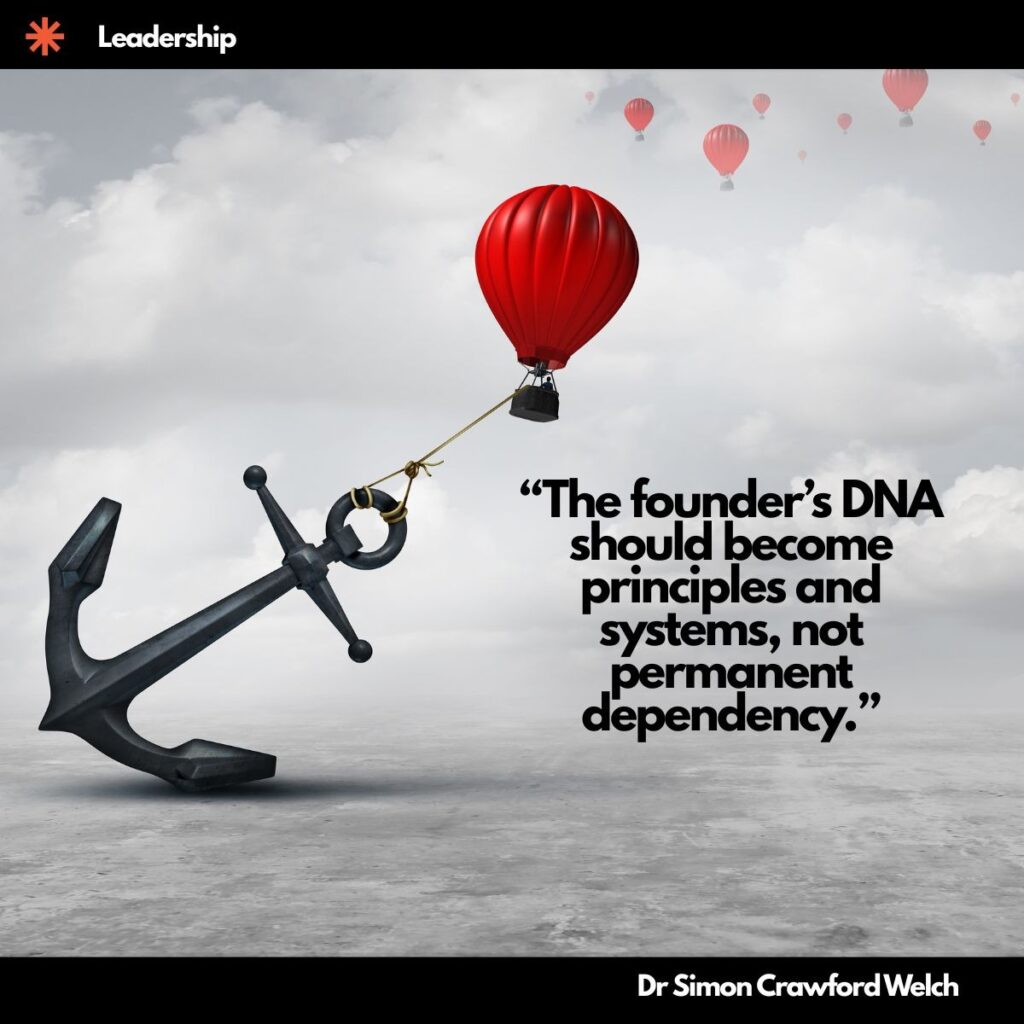
The Danger of Becoming Too Important to Your Own Company
There is a stage in the life of a company when the founder, chief executive, or central leader is not merely important to the business. They become the business. Every major decision runs through them. The team may admire them, depend on them, fear disappointing them, and quietly organize its behavior around their approval.
But what saves a company in one season can weaken it in the next.
The danger begins when the leader remains central long after the company needs to become capable. People wait instead of deciding. They ask instead of owning. They perform certainty instead of thinking independently.
Indispensability Can Feel Like Validation
Being needed is intoxicating. For a leader who has sacrificed heavily, carried pressure privately, and fought through uncertainty, indispensability can feel like proof of value.
The problem is that indispensability can become addictive. It can feed the ego while sounding like responsibility. The leader tells themselves, “They need me.” They may even be right. But the more important question is whether they have built the company in a way that makes needing them less necessary over time.
In the early stage, the leader is the engine. In the mature stage, the leader must become the architect. Engines create motion through personal force. Architects create structures that allow others to build, decide, and carry weight without requiring constant intervention.
When the Leader Becomes the Bottleneck
A company built around one person eventually develops a hidden tax. Decisions slow down because everyone waits for the leader’s view. Middle managers become messengers rather than owners.
People stop taking true ownership because ownership without real authority is mostly exposure.
The leader then becomes frustrated that the team is not stepping up. But the team may be responding rationally to the system the leader has created.
This is one of the great leadership paradoxes. The more a leader rescues the company from weak ownership, the more weak ownership persists.
Culture Becomes Personality
When a leader becomes too important, culture often becomes personality. People learn what matters by studying the person at the center.
If the leader is calm, the company feels calm. If the leader is anxious, the company becomes anxious. If the leader pushes too hard, the company calls it high standards.
That kind of culture is fragile because it depends too heavily on the leader’s emotional state and daily involvement. A healthier culture should outlast personality.
This does not mean stripping the company of its founder’s DNA. The best companies often retain the imprint of their original builders. But imprint is different from dependency. A founder’s values should become principles, processes, standards, rituals, and leadership behaviors that others can understand and carry. Otherwise, the culture is not scalable. It is merely charismatic.
The Succession Problem Begins Earlier Than People Think
Many leaders think succession is a future issue. But succession begins long before the formal handoff.
Can the team make hard calls without the leader? Can the company tell the truth when the central leader is part of the problem?
If the answer is no, then succession risk already exists.
Dependence does not feel dangerous while the dependent person is available. It becomes dangerous when availability changes, through exhaustion, distraction, illness, growth, acquisition, conflict, or simple human limitation.
No serious company should be one person deep.
Letting Go Is Not Losing Control
For many leaders, the fear beneath all of this is simple: if I let go, the company will get worse.
Empowerment without standards becomes drift. A leader should not confuse maturity with abdication.
But letting go does not mean disappearing. It means replacing personal control with institutional discipline. It means moving from being the final answer to being the builder of better questions.
That is a deeper form of control, and a healthier one. It is not control through presence. It is control through design.
The Mature Leader’s Real Legacy
Being indispensable may feel good, but it is not the highest form of leadership. The highest form is building something that can remain excellent without requiring your constant rescue.
The danger of becoming too important to your own company is that the company may never become as strong as the leader dreams it can be.
A great company should carry the best of its leader, not remain trapped inside the leader’s reach.
The real test is not whether the company needs you today. The real test is whether your leadership is making that need more intelligent, less constant, and less dangerous over time.
Quotes of the Week
QUOTE — EMOTIONAL INTELLIGENCE
QUOTE — PERSONAL DEVELOPMENT
QUOTE — LEADERSHIP
Reframe
Success Is a Terrible Place to Discover You Chose the Wrong Game
There are few feelings more disorienting than getting what you thought you wanted and realizing it does not feel the way you expected. The promotion arrives, the company grows, the money improves, the recognition comes, the title changes, the room gets more important, and the outside world confirms that you have won something worth winning. People congratulate you. They admire the discipline, the ambition, the climb. They see the result and assume the result must have delivered the meaning.
But success has a way of exposing the truth that ambition can conceal.
You can spend years playing a game with extraordinary discipline, only to discover that the reward does not fit the life you actually want. You can become excellent at something that impresses people and still feel privately empty inside the achievement. You can master the rules, beat the competitors, accumulate the symbols, and still wake up with the uncomfortable suspicion that you have been winning a game you never consciously chose.
That is the danger. Failure usually forces reflection. Success can delay it.
The Game We Inherit
Most people do not choose their game at the beginning. They inherit one. Family gives them a game. School gives them a game. Industry gives them a game. Social class, culture, insecurity, comparison, ego, fear, and early praise all quietly contribute. Long before we understand ourselves, we are rewarded for certain kinds of performance.
Be impressive. Be useful. Be admired. Be difficult to ignore. Make money. Rise faster. Become respected. Build something visible. Prove them wrong. Make them proud. Never need anyone. Never fall behind.
Some of those motives can be healthy. They can produce discipline, resilience, independence, and excellence. But they can also become traps when we never pause to ask whether the scoreboard we are chasing reflects a life we actually want.
A person may think they are pursuing success, when in reality they are pursuing relief from an old fear. Relief from feeling small. Relief from being underestimated. Relief from disappointing a parent. Relief from financial anxiety. Relief from invisibility. Relief from the old wound that said, “You are not enough unless you become extraordinary.”
That kind of ambition can carry a person a long way. It can also carry them past themselves.
Winning Can Become Its Own Addiction
Success is dangerous because it is self-validating. Once the world rewards you, it becomes harder to question the game. The applause creates evidence. The income creates comfort. The title creates identity. The reputation creates pressure. The people around you may benefit from your continued participation, so they are not always eager for you to stop and reconsider.
The game begins to own you because winning keeps proving that you are good at it.
This is how achievement can become addictive. Not because success is bad, but because it provides temporary relief from deeper questions. Each win quiets the doubt for a moment. Each external marker says, “Keep going, this must be working.” Each new level creates another problem to solve, another opponent to beat, another metric to move, another room to enter.
The momentum becomes difficult to interrupt. A successful life develops infrastructure. Employees, obligations, lifestyle, reputation, debt, expectations, identity. The longer you play, the more expensive it feels to change games.
So people keep going. Not always because they love the game, but because stopping would require an honesty more frightening than exhaustion.
The Wrong Game Often Looks Right
The cruel part is that the wrong game may not look wrong from the outside. It may look noble, disciplined, lucrative, impressive, even admirable. It may involve real talent and real contribution. You may be good at it. You may even enjoy parts of it.
That is what makes the recognition so difficult.
If the game were obviously destructive, the choice would be clearer. But many wrong games come wrapped in social approval. The work matters enough. The people respect you. The rewards are tangible. The story makes sense. You can explain every decision logically, even while your body and spirit are quietly telling you something is off.
The signs are rarely dramatic at first. You feel restless after wins. You become irritated by the very responsibilities you once wanted. You envy people who seem less accomplished but more free. You find yourself needing bigger achievements to produce the same emotional return. You feel trapped by a life other people admire. You begin to suspect that your ambition has outlived your desire.
That is not ingratitude. It is information.
The Difference Between Playing Well and Playing Wisely
There is a difference between playing a game well and playing a game wisely. Playing well means mastering the rules, winning rewards, optimizing performance, and outperforming others. Playing wisely means asking whether the game is worthy of your life.
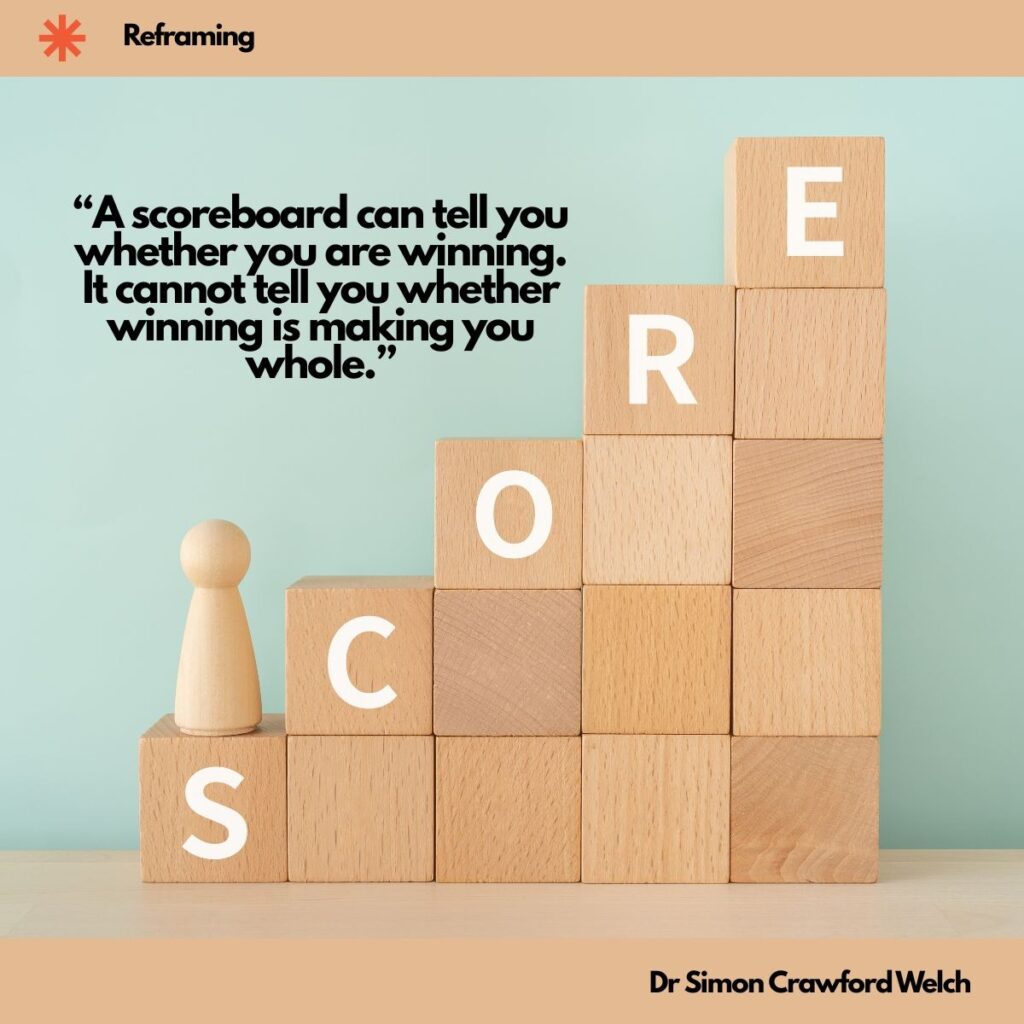
That second question is much harder because it cannot be answered by the scoreboard. A scoreboard can tell you whether you are winning. It cannot tell you whether winning is making you whole, useful, joyful, honest, peaceful, or alive.
Many high achievers are brilliant at execution and underdeveloped in discernment. They know how to chase a goal, but not always how to examine one. They can endure pressure, but not always interpret emptiness. They can build momentum, but not always recognize misalignment.
The modern world rewards people who move fast, produce results, and stay in motion. It is less interested in asking whether the motion is taking them somewhere they actually want to go.
The Moment of Recognition
The moment you realize you may have chosen the wrong game is rarely convenient. It may come after a promotion, not before it. After the sale of a company. After the children leave home. After the health scare. After the divorce. After the award. After the calendar finally slows down enough for the truth to be audible.
That is why success is such a terrible place to discover it. By then, the world may believe the story more than you do. You have become known for the game. Others may depend on your continued participation. Your identity may be built around the competence you developed inside it.
Changing direction can feel like betrayal. Betrayal of the people who believed in you, the younger version of yourself who worked so hard, the sacrifices made along the way, the status you earned, the comfort you created, and the public narrative that made your life look so coherent.
But staying can be a betrayal too.
There is a betrayal in continuing to give your best energy to something you no longer believe in. There is a betrayal in letting the applause of others drown out the quiet evidence of your own life. There is a betrayal in confusing obligation with purpose simply because the game has become difficult to leave.
Choosing Again Without Burning Everything Down
Recognizing the wrong game does not always mean blowing up your life. Sometimes it means a radical change. Often, it means a more honest redesign. You may not need to abandon the work entirely. You may need to change your relationship to it. You may need to alter the pace, the role, the definition of success, the people around you, the standards you reward, or the reasons you keep saying yes.
The mature response is not impulsive escape. It is careful truth.
What part of this game still matters? What part is ego? What part is fear? What part is service? What part is habit? What would I keep doing if no one praised me? What would I stop doing if I trusted that my worth was not at risk?
Those questions do not always produce easy answers, but they begin to return ownership. They remind us that a life is not only something we achieve. It is something we inhabit.
The Better Game
The better game is not necessarily easier. It may not pay as much, impress as many people, or give the same intoxicating rush of public validation. It may require humility, reinvention, and the willingness to disappoint those who only understood the old version of you.
But the better game fits.
It allows achievement without self abandonment. It asks for discipline, but not the permanent neglect of what you value most. It lets your ambition serve your life rather than consume it. It does not require you to keep winning in order to feel real.
Success is not the enemy. Unexamined success is. The goal is not to become less ambitious, less driven, or less serious. The goal is to become more honest about what your ambition is serving.
Because the worst outcome is not losing. The worst outcome is winning beautifully at a game that quietly costs you the life you were meant to live.