
Personal Development Series
You didn’t wake up one morning and decide to become someone you don’t recognize. It happened slowly.
The job you took because it was practical. The opinions you softened to keep the peace. The dreams you shelved to meet expectations. The values you once swore by but now quietly negotiate.
And then one day, you pause and ask: How did I get here?
This is identity drift: the quiet erosion of your authentic self, not through one dramatic decision, but through a thousand small concessions. Left unchecked, it can build a life that looks fine on the outside—but feels dissonant on the inside.
The good news? If you can drift, you can also recalibrate. And doing so may be the most important personal development work you ever do.
What Is Identity Drift?
Identity drift is the gradual misalignment between who you are and who you’re being. It doesn’t happen because you lack integrity. It happens because life is full of competing forces:
- The pressure to succeed
- The desire to belong
- The need for stability
- The fear of disappointing others
To survive, we adapt. To be liked, we filter. To stay employed, we conform. And over time, those subtle shifts accumulate until your reflection no longer feels like home.
Drift is quiet. But its symptoms aren’t:
- Burnout that won’t go away
- A low hum of restlessness or emptiness
- Success that feels unfulfilling
- The feeling of “performing” your life rather than living it
How Drift Happens: Death by a Thousand Edits
Most people don’t abandon their identity in one dramatic move. Instead, it happens in micro-moments:
- You take a job that doesn’t align, telling yourself it’s just for a year.
- You stop creating because it doesn’t feel “productive.”
- You avoid conflict and let others define what’s acceptable.
- You minimize your needs to avoid being seen as “difficult.”
These aren’t failures. They’re coping strategies. But repeated long enough, they can turn into unconscious defaults.
And suddenly, you’re living a version of life that was never yours to begin with.
The Role of External Forces
Identity drift is rarely just about personal choices. It’s also shaped by culture, environment, and systems that reward conformity and penalize divergence:
- Workplace culture: Emphasizes performance over personhood.
- Social media: Promotes curated identities that subtly pressure you to edit yours.
- Family or social expectations: Impose definitions of success, worth, or morality.
- Capitalism: Encourages self-worth through productivity, achievement, and accumulation.
These forces don’t just shape what you do. They shape who you believe you should be.
And when that image becomes louder than your inner voice, drift accelerates.
Signs You’re Experiencing Identity Drift
- You feel emotionally flat despite external success.
- You describe your life using phrases like “should be grateful” but rarely feel grounded in joy.
- You struggle to answer questions like: What do I want? What do I care about? Who am I outside of my roles?
- You notice growing resentment, numbness, or existential restlessness.
If any of this feels familiar, you’re not broken. You’re simply misaligned.
Recalibrating Before the Crisis
The danger of identity drift isn’t just discomfort. It’s that it often culminates in a personal reckoning:
- A health breakdown
- A divorce
- A career crisis
- A sudden inability to pretend anymore
But we don’t have to wait for collapse to course-correct. We can begin the work of recalibration now.
Here’s how:
No. 1 — Name the Dissonance
Start by noticing where you feel off. Don’t try to fix it. Just name it.
Ask:
- Where in my life do I feel like I’m performing?
- What parts of myself have I edited out to fit in?
- What used to matter to me that I no longer make time for?
Awareness is the first act of reclamation.
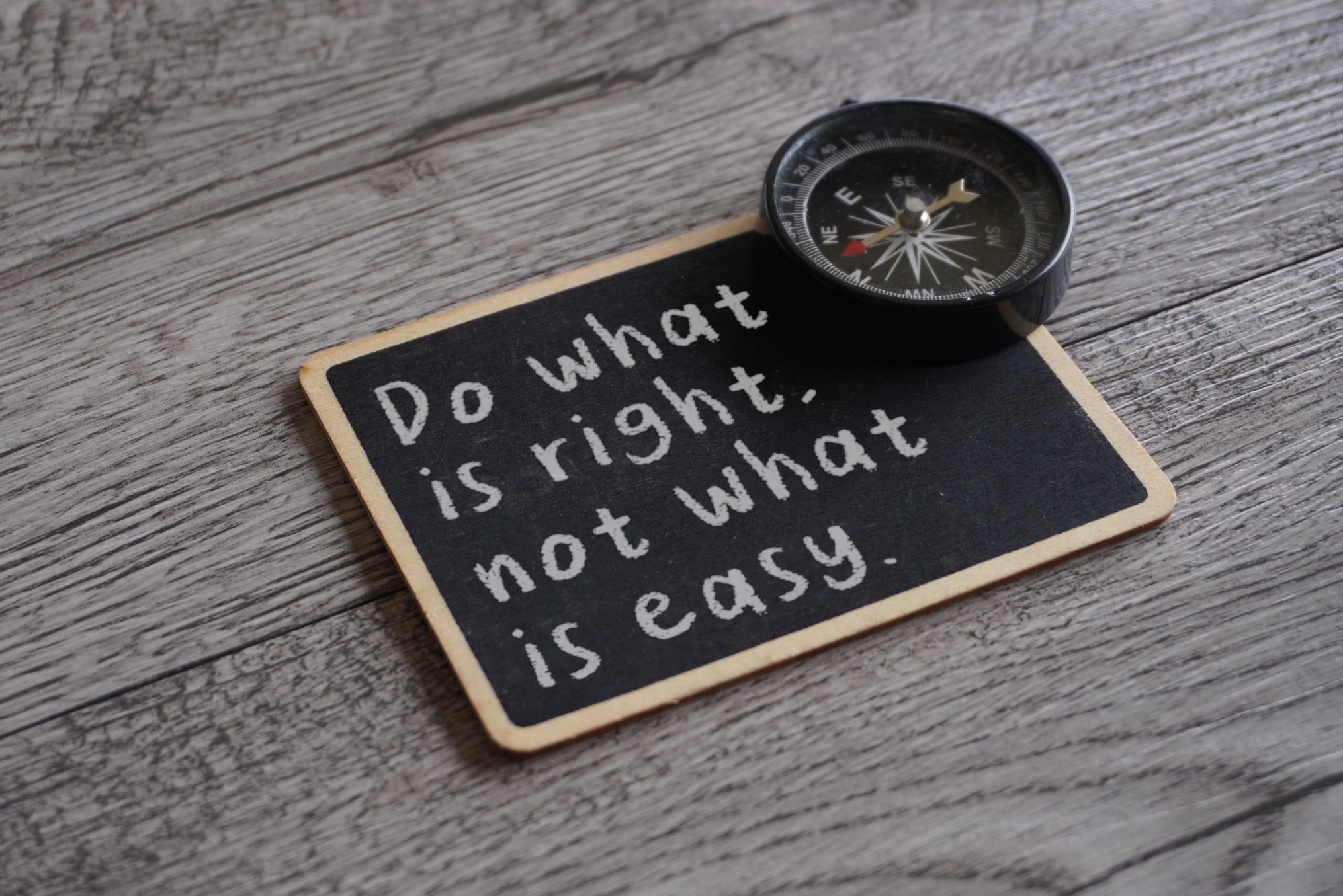
No. 2 — Reconnect with Your Inner Compass
Who were you before the world told you who to be?
Reconnect with the unfiltered version of you by revisiting:
- Childhood passions
- Old journals or creative work
- People or experiences that made you feel most alive
Your identity isn’t static. But it does have a throughline. Find it.
No. 3 — Define Your Actual Values
Many of us adopt values by osmosis—from parents, institutions, or culture. But when was the last time you chose them consciously?
Make a list of values you think you hold. Then ask: Are these borrowed, expected, or authentic?
Keep the ones that ring true. Let the rest go.
No. 4 — Audit Your Commitments
Where does your time go? Your energy? Your money?
Create a pie chart of your current life. Then create a second one of what your ideal life would look like based on your authentic values.
Where is the gap? That’s where the recalibration begins.
No. 5 — Have an Identity Declaration Moment
This doesn’t have to be public. But it should be powerful.
Declare: Who are you becoming? Not aspirationally, but actually.
Write it. Say it aloud. Repeat it until your system starts to believe it.
No. 6 — Make Micro Realignments
You don’t have to blow up your life to get back to yourself.
- Say no to one thing this week that feels misaligned.
- Reclaim one habit that connects you to your core.
- Initiate one honest conversation you’ve been avoiding.
Alignment happens in small, sustained choices.
No. 7 — Surround Yourself with Mirrors, Not Masks
Seek out people who reflect back your truth, not your performance.
- Friends who ask how you really are
- Mentors who challenge your drift
- Communities where authenticity is currency
Environment shapes identity. Choose it intentionally.
Living From Alignment
When you start living from alignment:
- Work feels meaningful, not just manageable
- Relationships become deeper, not just performative
- You stop outsourcing your worth to metrics, titles, or approval
- You feel with yourself again
Identity isn’t a fixed destination. It’s a moving target. But when you stop drifting and start choosing, life stops feeling like an accident.
It starts feeling like a homecoming.
Who Are You Without the Edit?
There will always be pressure to adapt, to achieve, to fit the mold. But beneath all of that, there is a self that remembers. Who you were. What matters. What it feels like to be whole. That version of you is still in there. Not lost. Just waiting. You don’t need a new identity. You just need to return to the one that was yours all along.