
Listen to this Deep Dive, 12 min, read by Simon
Personal Development Series
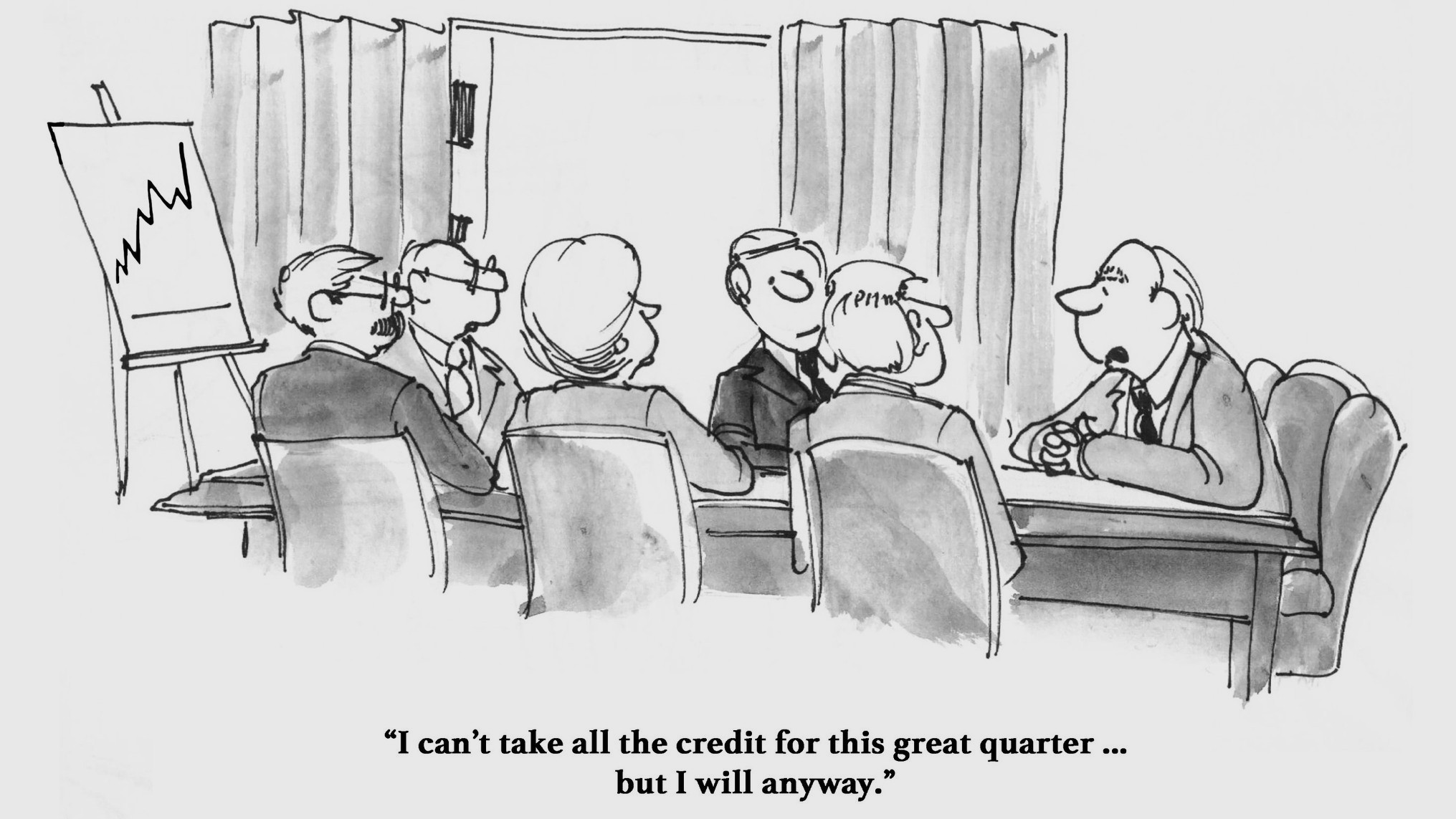
Power does not usually corrupt people in one dramatic moment. It works more quietly than that. It changes the environment around a person, then lets the person mistake that changed environment for truth. People laugh sooner, agree faster, challenge more carefully, soften bad news, wait for signals, manage reactions, and become fluent in the leader’s preferences before the leader has any idea it is happening.
That is why power requires more honesty, not less.
The more power you gain, the less reliable your natural feedback loop becomes. People may still speak to you, but they may not tell you the whole truth. They may still admire you, but admiration is not the same as accuracy. They may still follow your direction, but compliance is not always conviction. They may still say they are aligned, but alignment can become a polite word for silence when nobody wants to disturb the person at the center.
A leader who does not understand this becomes increasingly vulnerable to self-deception. Not because they are stupid. Not because they are malicious. But because power makes it easier to live inside a flattering version of reality.
Power Changes What People Tell You
When you have very little power, feedback tends to be more direct. People interrupt you. They correct you. They disagree without much ceremony. Your mistakes are visible because you are closer to the consequences. You cannot hide very easily from the effect you are having.
As power increases, the room changes. People become more strategic with the truth. They think about timing, tone, politics, risk, and whether the issue is worth the possible cost. They may still be honest, but they become selectively honest. They tell you what they believe can be heard. They package discomfort in language designed to survive your reaction.
The leader may not notice the difference because the room still feels active. There are still meetings, updates, dashboards, presentations, conversations, and opinions. But the quality of truth has changed. It has been edited by proximity to authority.
That is not always cowardice. Often, it is self-preservation. If your response can affect someone’s future, they will naturally become more careful around you. Power asks people to calculate. A wise leader accepts that reality instead of pretending they are immune to it.
Honesty Starts With Admitting Distortion
The first honesty required of powerful people is the honesty to admit that power distorts. It distorts the room, the feedback, the narrative, the ego, and the leader’s sense of proportion. It can make ordinary preferences feel like principles. It can make impatience feel like high standards. It can make control feel like stewardship. It can make agreement feel like proof.
The danger is not simply that others deceive the leader. The danger is that the leader begins deceiving themselves.
They tell themselves people would speak up if something were wrong. They tell themselves the team is aligned because no one objected. They tell themselves their instincts are working because the last decision succeeded. They tell themselves dissent is welcome because they said it was welcome. They tell themselves the culture is healthy because people are pleasant in meetings.
But culture is not measured by how people behave when the leader is comfortable. It is measured by what people feel safe enough to say when the leader may not like it. McKinsey defines psychological safety as the absence of interpersonal fear, the condition that lets people speak up and raise concerns without fear of negative consequences, in its explainer What Is Psychological Safety?
That distinction is everything.
Your Intentions Are Not Enough
Many leaders overtrust their intentions. They know they care. They know they are trying to build something meaningful, protect the company, serve the customer, grow the team, and do the right thing. Because their intentions feel sincere internally, they expect their impact to be judged generously externally.
But leadership is not experienced through intention. It is experienced through behavior.
People experience your tone, your consistency, your timing, your decisions, your reactions, your follow-through, and your willingness to be corrected. They experience whether bad news is punished, whether disagreement changes your mood, whether you listen before defending, whether accountability applies upward as well as downward, and whether your words survive contact with your behavior.
The more power you have, the less your intentions matter if your impact is damaging. Good intentions may explain the gap, but they do not close it.
A powerful leader must be honest enough to ask, “How did that land?” not merely, “What did I mean?” That question requires humility because it allows other people’s experience to challenge the private story you prefer about yourself. The Association for Psychological Science’s Power Can Chill the Mind’s Capacity for Empathy, Researchers Find describes brain research in which people primed to feel powerful showed dampened activity in a region linked to empathy and resonating with others.
Success Makes Honesty Harder
Power often arrives with success, and success is a very persuasive liar. It tells people the story is working. It wraps habits in evidence. It turns past judgment into present entitlement. It makes leaders believe that because they were right before, they are probably right now.
That may be true. It may also be exactly how blind spots form.
Failure has a way of demanding humility. Success allows arrogance to wear better clothes. The successful leader can justify almost anything by pointing to results. The pace, the tone, the intensity, the control, the impatience, the cultural tradeoffs, the tolerated dysfunction, all of it can be defended because the business is growing, the brand is strong, or the market is still rewarding the model. Harvard Business Review’s Why Leaders Don’t Learn from Success by Francesca Gino and Gary Pisano explains how success leads leaders to credit their own talent over luck, grow overconfident, and stop asking why things went well.
But results do not prove that everything underneath them is healthy. Sometimes numbers improve while trust erodes. Revenue grows while people burn out. Reputation strengthens while the operating system weakens. The leader becomes more celebrated while the organization becomes more dependent.
Honesty requires asking not only, “Are we winning?” but “What is winning currently hiding?”
Power Requires Cleaner Motives
As power grows, motives matter more because their consequences travel farther. A small insecurity in a junior employee may create a difficult conversation. A small insecurity in a powerful leader can shape budgets, hiring, strategy, culture, and hundreds of people’s daily experience.
This is why leaders must become more honest about what is driving them. Is this decision about the company, or about protecting my identity? Is this urgency real, or is it anxiety in executive language? Am I defending the standard, or defending my need to be right? Am I empowering people, or keeping myself necessary? Am I asking for excellence, or asking others to absorb the cost of my unresolved fear?
These are uncomfortable questions, which is precisely why they matter.
Power gives ego more sophisticated hiding places. It hides inside vision. It hides inside pace. It hides inside excellence. It hides inside founder DNA, customer obsession, brand protection, and strategic clarity. All of those things may be legitimate. But they can also become respectable costumes for control, insecurity, vanity, and fear.
The more power you gain, the more ruthlessly you must examine the difference.
Honesty Protects the Organization From You
Every leader likes to believe they are good for the organization. Many are. But even good leaders can become dangerous when they stop being honestly examined. Their strengths become overused. Their preferences become rules. Their blind spots become cultural norms. Their emotional reactions become weather. Their impatience becomes everyone else’s urgency.
A mature leader understands a hard truth: the organization sometimes needs protection from the leader’s unexamined self.
That does not mean leadership should become tentative or apologetic. It means leadership should become accountable. The stronger your influence, the more disciplined you must be about how it is used. You need people who can challenge you without performing loyalty first. You need mechanisms that surface reality before it becomes crisis. You need the humility to repair when your reaction made the truth harder to tell.
Honesty is not self-criticism for its own sake. It is a safeguard. It keeps power from becoming a private mythology with organizational consequences.
The Loneliness of Honest Power
There is a loneliness that comes with this kind of honesty. It is easier to enjoy authority than to interrogate it. Easier to accept praise than to ask what it may be hiding. Easier to believe the room than to wonder whether the room has learned to manage you.
Honest power requires a leader to live with less flattery than power naturally provides. It requires choosing truth over comfort, reality over admiration, and responsibility over the emotional convenience of being constantly affirmed.
But the alternative is worse. The leader who refuses this honesty may become surrounded by people and still increasingly alone. Not because no one is present, but because no one is fully real with them anymore. They have influence, but less truth. Authority, but less intimacy. Control, but less understanding.
That is a terrible trade.
Becoming More Honest as You Rise
The best leaders do not become less human as they gain power. They become more disciplined about their humanity. They know their triggers. They know their favorite excuses. They know how their anxiety disguises itself. They know which criticisms they are tempted to dismiss. They know which people tell them what they want to hear and which people tell them what they need to hear.
They are not perfect. That is not the standard. The standard is reachability.
Can people tell you the truth without paying too high a price? Can you admit when your impact did not match your intent? Can you change your mind without making others regret challenging you? Can you name where success may be blinding you? Can you distinguish loyalty from agreement? Can you let the organization become bigger than your need to be central?
The more power you gain, the more honest you need to become because the consequences of self-deception no longer belong only to you. They belong to everyone who has to live inside the reality your power creates.
Power is not the enemy. Unexamined power is.
The real test of leadership is not whether people listen when you speak. Power can make that happen. The real test is whether truth can still reach you after everyone has learned how much power you have.