
Listen to this week’s Insights, 30 min, read by Simon
Deep Dives Articles
DEEP DIVES ARTICLE — EMOTIONAL INTELLIGENCE

Why Some People Confuse Intensity With Authority
This is a sneak peek of this week’s Deep Dives article. Published today!
Some people walk into a room with volume, urgency, certainty, and force, then mistake the silence that follows for respect. But intensity is not the same as authority. One overwhelms the room; the other earns the room’s trust. This Deep Dive explores why emotionally forceful people often get confused with strong leaders, how teams learn to manage intensity instead of challenging it, and why real authority does not make people smaller. It makes the room more honest.
DEEP DIVES ARTICLE — PERSONAL DEVELOPMENT

The Moment Success Starts Making You Harder to Be Around
This is a sneak peek of this week’s Deep Dives article. Published today!
Success is supposed to make you freer, wiser, and more generous. But sometimes it does something far more dangerous. It removes the constraints that once forced humility, patience, and self awareness. The tone changes. The listening fades. The standards become contempt. The people around you start feeling less like companions and more like interruptions. This Deep Dive examines the quiet moment when achievement begins feeding the ego more than the soul, and why the real test of success is whether people can still tell you the truth.
DEEP DIVES ARTICLE — LEADERSHIP

When a Leader Gets Defensive, the Whole Room Learns Something
This is a sneak peek of this week’s Deep Dives article. Published today!
Defensiveness feels personal, but in leadership it becomes cultural. A sharp reaction, a quick explanation, a dismissive look, or an impatient correction can teach a team that truth is expensive. Over time, people stop bringing reality and start bringing a safer version of it. This Deep Dive unpacks why powerful people must become less fragile around feedback, how defensiveness distorts the information reaching leaders, and why the ability to hear uncomfortable truth may be one of the clearest signs of real authority.
Deep Dives Book Summary
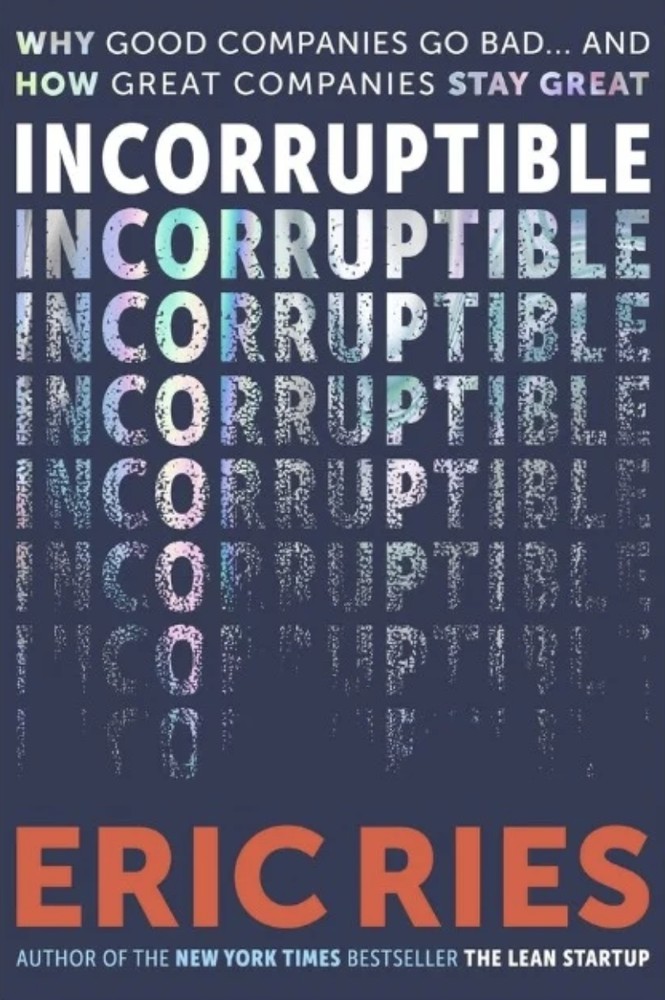
This is a sneak peek of this week’s Deep Dives book summary. Published today!
Good companies rarely go bad overnight. They drift. The mission becomes branding. The values become language. The customer promise gets quietly traded for margin, speed, shareholder pressure, or executive convenience. In Incorruptible, Eric Ries argues that the real danger is not simply bad people making bad choices, but good companies built with structures that eventually reward the wrong behavior. This Deep Dive explores why mission statements are not enough, why success can make companies more vulnerable, and how great companies stay great by designing governance, incentives, ownership, and operating principles that make betrayal harder.
Quick Reads
QUICK READ — EMOTIONAL INTELLIGENCE
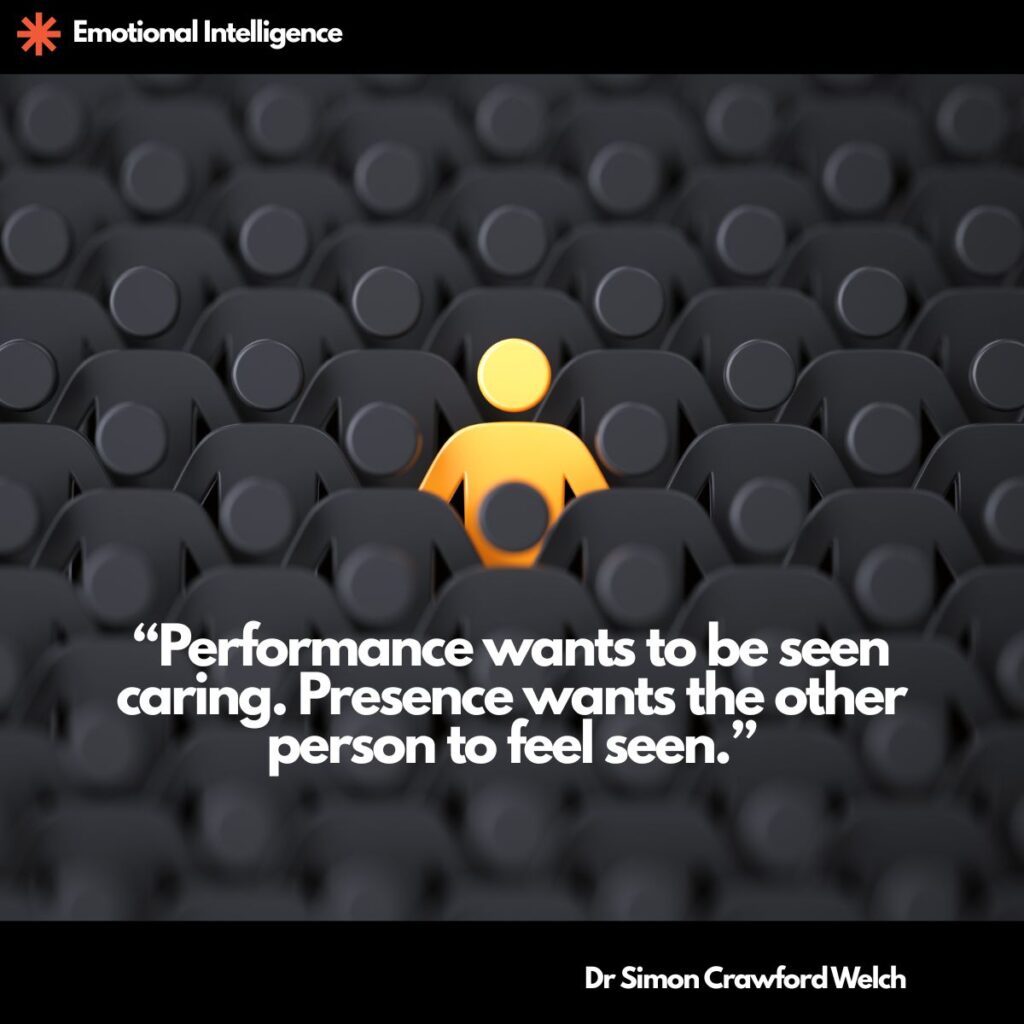
Why People Can Feel the Difference Between Presence and Performance
There is a particular kind of attention that leaves you feeling strangely lonelier than if it had never been offered. Someone is looking at you, nodding at the right moments, using the right language, perhaps even saying something kind, but you can feel they are not really there. Yet something in you knows that the conversation is being managed rather than shared.
We have all felt the difference. The leader who asks for feedback but is already preparing the answer. The friend who says, “Tell me everything,” while glancing at a phone. But emotionally, it does not land the same way.
That is because presence and performance live in different moral universes. Performance is concerned with how the moment appears. Presence is concerned with what the moment requires.
The Age of Performed Attention
Modern life has made performance almost unavoidable. We perform competence at work, happiness online, confidence in public, and emotional intelligence in relationships.
The problem begins when performance becomes a substitute for sincerity.
When the outer language of care becomes easy to reproduce, people become more dependent on subtle signals to determine whether it is real. They notice whether someone is willing to be interrupted by reality.
Presence Costs Something
Presence is not the same as availability. A person can be available and still not be present.
Presence costs more than access. It requires attention, humility, patience, and the willingness to be affected.
That is why presence is so difficult to fake for long. Performance can copy the gestures, but it usually avoids the cost. It wants the credit of care without the inconvenience of being changed by what it hears.
In leadership, this distinction is critical. Employees do not feel truly heard because a leader runs a listening session. They feel heard when something about the leader’s understanding, decision making, or behavior changes because of what was said.
Presence leaves evidence.
Why We Sense the Gap
Human beings are remarkably skilled at detecting incongruence. We feel when someone is asking a question they do not want answered. We feel when warmth has an agenda.
The deeper reason we sense the gap is that performance is usually self referential. It asks, “How am I coming across?” Presence asks a different question: “What is happening here?”
People may tolerate performance when the stakes are low. But when they are vulnerable, afraid, disappointed, grieving, uncertain, or telling the truth at personal cost, they become far less patient with imitation. In those moments, polished concern can feel almost insulting. It offers the shape of care without the substance.
The Leadership Problem
Leaders are especially vulnerable to confusing performance with presence because leadership is so visible. It is no surprise that some leaders learn the performance before they develop the depth.
But teams eventually know the difference.
A leader who performs presence listens only until the room feels reassured. A leader who practices presence listens until the truth has actually surfaced. One protects the leader’s image as caring. The other protects the organization’s relationship with reality.
This is not softness. Presence is often demanding. It may require hearing that a strategy is not working, or that the leader’s own behavior is part of the problem. Performance cannot tolerate that for long because performance depends on control.
The Digital Imitation of Intimacy
Technology has made contact easier and presence harder. We can like, react, forward, comment, and acknowledge without truly absorbing anything.
The danger is that we begin mistaking responsiveness for care. A fast reply is not the same as a thoughtful one. Presence requires more than transmission. It requires reception.
Becoming Harder to Fake
The answer is not to abandon performance entirely. We all perform roles. The goal is congruence. The goal is for our signals of care to become more closely aligned with our actual willingness to care.
That begins with a more honest question. Not, “Did I look attentive?” but, “Was I available to be affected?”
Presence is not dramatic. It is quiet, disciplined, and increasingly rare. It shows up in remembered details, changed behavior, patient listening, honest repair, and the refusal to reduce another person to an interruption.
People can feel the difference because presence has weight. Performance may impress for a moment, but presence leaves people feeling less alone. And in a culture overflowing with signals, scripts, and simulations, that may be one of the few things still impossible to counterfeit for very long.
QUICK READ — PERSONAL DEVELOPMENT
Agency Is the Moment You Realize You Still Have a Move
There are moments in life when the walls seem to close in. The options narrow. The mistake has already been made. The diagnosis, decision, betrayal, setback, or failure has already arrived, and the mind begins to tell a very persuasive story: there is nothing left to do.
That story may feel like realism. But there is a quiet line between accepting reality and surrendering authorship. One sees the situation clearly. The other hands over the pen.
Agency begins at the moment you realize that even if you cannot choose everything, you can still choose something. You may not be able to undo what happened. But you still have a move.
That move may be small. But it matters because it interrupts helplessness.
The Seduction of Helplessness
Helplessness can become strangely comforting because it relieves us of the burden of choice. If nothing can be done, then nothing is required of us.
Any serious discussion of agency must begin by admitting that not everyone has the same number of moves.
But unequal agency is not the same as no agency. Sometimes the most important move is not grand transformation. It is refusing to let the unfairness become the final explanation for everything.
The Difference Between Control and Agency
One reason agency is misunderstood is that people confuse it with control. Control wants to determine the outcome. Agency asks what action remains available.
If we define agency as control, we will feel powerless most of the time.
Agency is different. It does not require total command over circumstances. It requires ownership of response. You can begin again without announcing it dramatically to the world.
Agency is not the fantasy that you can make life obey you. It is the refusal to become passive simply because life has not obeyed you.
The Leadership Version of Agency
Organizations lose agency when they confuse difficulty with impossibility. A business misses its targets and decides the market is the problem.
Sometimes those explanations contain truth. But explanation can become anesthesia.
The best leaders know that the most useful question is rarely, “Whose fault is this?” The better question is, “What move remains?” It does not deny the obstacle. It refuses to worship it.
The Emotional Discipline of the Next Move
The next move is often difficult because it is less satisfying than the fantasy move. We want someone to apologize, approve, rescue, recognize, or finally change.
Agency asks us to stop making our next action dependent on someone else’s awakening. But fairness is not always the condition under which life resumes. Sometimes life resumes because we choose to move while still carrying the unfairness.
The point is not to feel powerful every moment. The point is to act from the portion of power that remains.
That portion may be small at first. Make the appointment. Send the message. Admit the truth. Ask for help. Choose the next honest thing.
The Quiet End of the Victim Story
There is a legitimate place for naming harm. People who have been mistreated, underestimated, betrayed, or damaged should not be rushed past the truth of what happened.
But there is also a point at which the victim story begins to charge rent.
It may have explained the wound. But if it becomes the permanent center of identity, it starts taking more than it gives. It keeps the past in authority.
Agency does not say, “It did not matter.” It says, “It will not be the only thing that matters.”
The Move That Changes the Story
The most important move is rarely the most dramatic one. It is often the move that changes your relationship with yourself. The moment you stop waiting for permission. The moment you decide that even if the situation is not fair, you will not abandon yourself inside it.
That is agency.
It is not loud. But it changes the internal weather. It reminds you that life is not only something to survive, explain, or resent. It is something to participate in.
The question is not whether you have every move you want. The question is whether you are willing to see the move you still have, and whether you are willing to take it before passivity becomes your identity.
Agency begins with a small, stubborn act of honesty: this may not be the life I would have chosen, but I am still responsible for the next choice I make inside it.
QUICK READ — LEADERSHIP
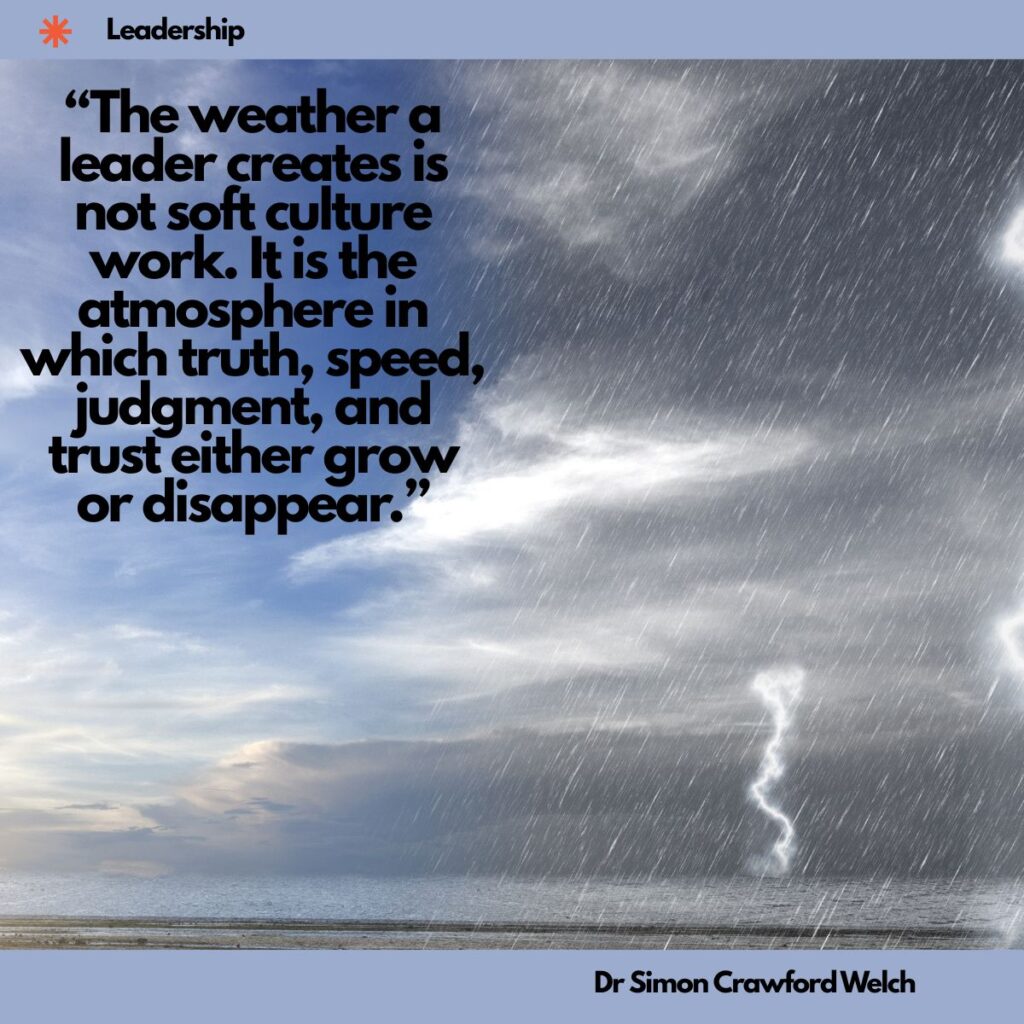
Why Great Leaders Own the Weather, Not Just the Wins
Every leader wants to own the wins. When the organization succeeds, leaders are usually comfortable drawing a line between their vision and the result.
But leadership is not only revealed in the victory speech.
The deeper test is whether leaders are willing to own the weather they create along the way. Not just what was achieved, but what people had to absorb, hide, tolerate, or become in order to achieve it.
This is where many leaders become selective historians. They claim responsibility for the growth, but distance themselves from the exhaustion.
Great leaders do not make that bargain. They understand that leadership is not merely about producing results. It is about producing results in a way that builds the system, rather than quietly draining it.
The Weather Is Always Speaking
Every leader creates weather. Some create calm urgency, where people understand what matters and move with purpose. Others create frantic urgency, where everything feels important, nothing feels stable, and people spend as much energy interpreting the leader as they do solving the problem.
This weather shapes how quickly bad news travels, how honestly people speak, and how willing they are to bring forward uncomfortable truths before those truths become expensive.
The weather is not soft. It is operational.
Wins Can Hide the Cost
One of the reasons leaders avoid owning the weather is that success can temporarily conceal damage. Results become the defense.
A team may succeed despite the weather, not because of it. Capable people may keep delivering while quietly deciding that the organization is not sustainable for them.
By the time the cost becomes visible, the leader may be surprised. The team will not be.
Leadership Means Owning Impact
Many leaders want to be judged by intention. Intentions matter, but impact is where leadership becomes real.
Owning impact does not mean accepting every complaint as valid. It means they must remain honest about the difference between what they meant to create and what people actually experienced.
The best leaders are not fragile around that gap. They are curious about it. They ask, “What does it feel like to work inside the pace I am setting?” They ask, “What do people stop telling me when I react this way?”
Those questions are uncomfortable because they remove the leader’s favorite hiding place, the purity of their own motive.
The Team Learns the Real Rules
People learn from what happens after mistakes, missed targets, conflict, bad news, and disagreement.
If the leader blames, people learn to hide. If the leader asks for candor and then punishes it emotionally, people learn that honesty is a trap.
But the reverse is also true. If the leader stays calm during bad news, people learn to escalate early.
This is the weather. It is built moment by moment, often in situations the leader may barely remember and the team will not forget.
Great Leaders Do Not Outsource the Climate
A weak leader treats culture as a human resources project. A stronger leader understands that the climate of the organization is inseparable from leadership behavior. Leaders with power have disproportionate influence over the emotional conditions in which work happens.
The climate is not separate from the work. It is part of the work.
The Strongest Leaders Carry Both Truths
Great leaders hold two truths that weaker leaders separate. They own the wins, and they own the conditions that produced them.
Cultural debt is like financial debt. It can help an organization move faster for a season, but it eventually has to be paid.
The Weather After the Win
The real question is not only whether people can deliver under your leadership. It is whether they are stronger, clearer, braver, and more capable because of it.
The Measure of Leadership
The easiest version of leadership is to stand in the light of success and call it proof. The harder version is to look at the shadow that success may cast and ask what it reveals.
To own the weather is not to become soft. It is to understand that leadership is measured not only by what people achieve in your presence, but by what your presence makes possible in them.
The best leaders do not simply ask, “Did we win?” They ask, “What did it feel like to win with me, and what did that experience teach the organization to become?”
That is a much harder question. It is also the one that tells the truth.
Quotes of the Week
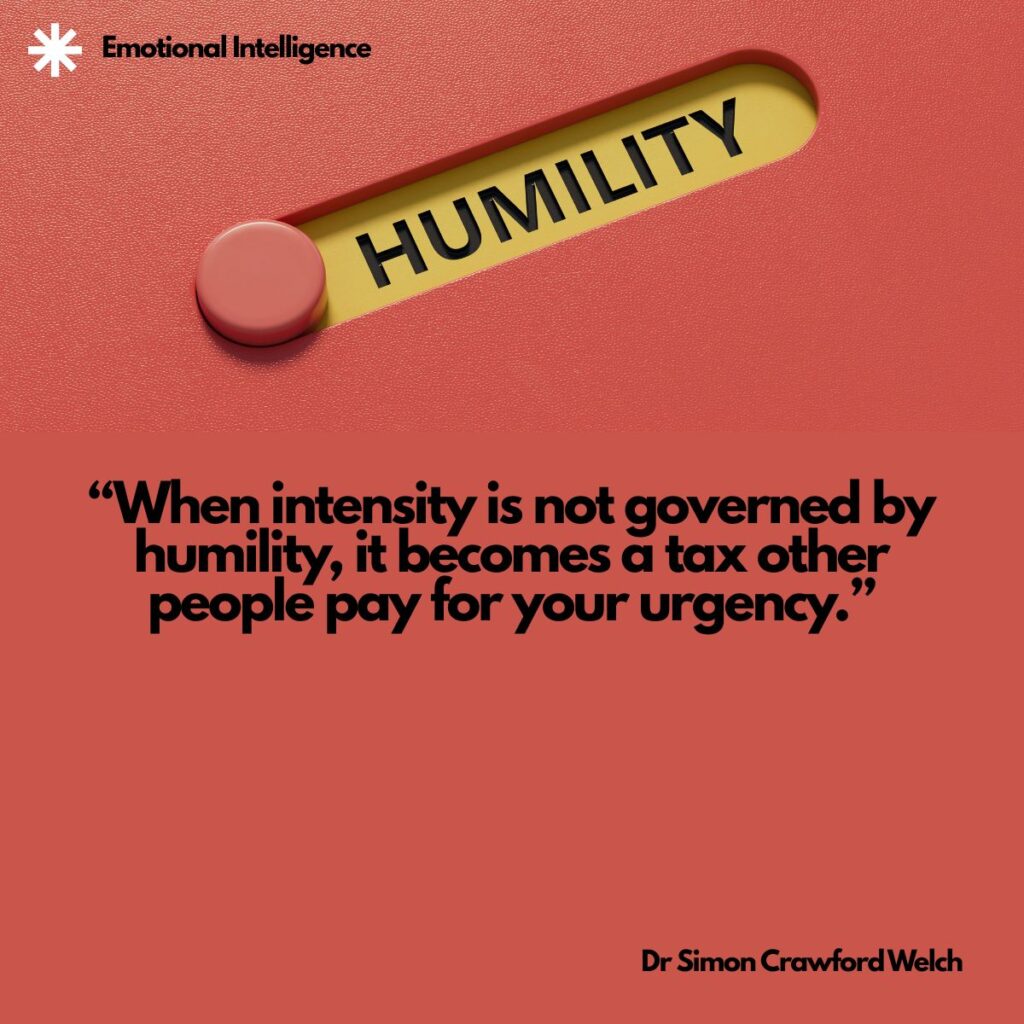
QUOTE — EMOTIONAL INTELLIGENCE
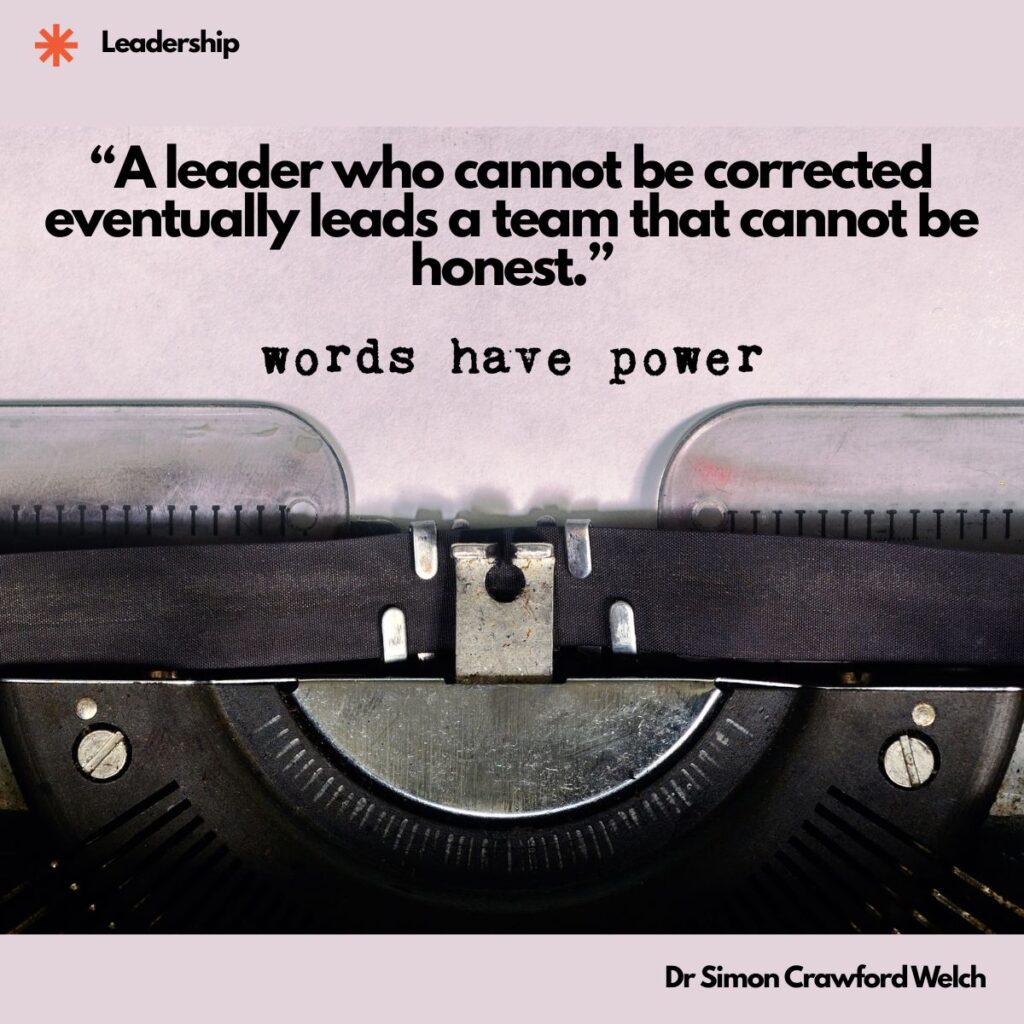
QUOTE — PERSONAL DEVELOPMENT
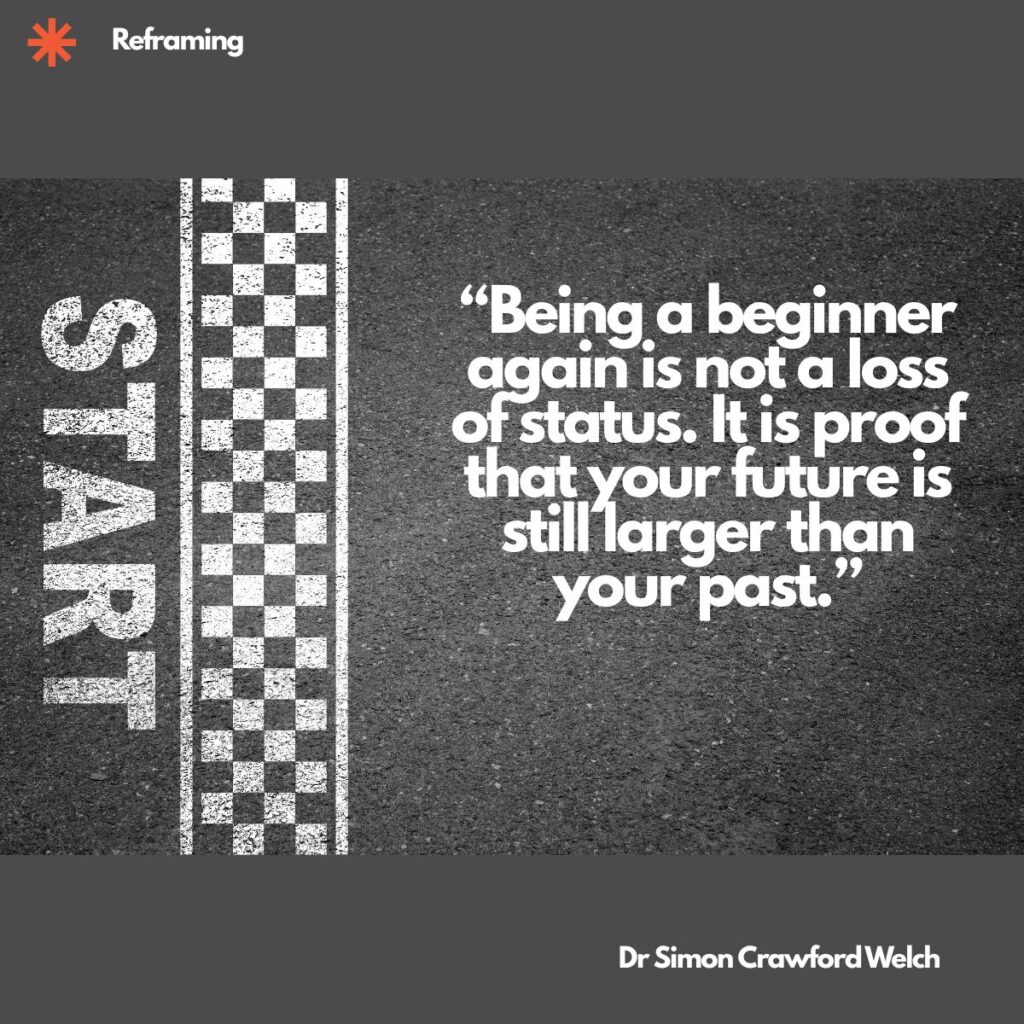
QUOTE — LEADERSHIP
Reframe

The Emotional Courage of Being a Beginner Again
There is a particular kind of humiliation that comes with being competent in one part of life and suddenly clumsy in another. You know what it feels like to be respected. You know how to operate in rooms where your judgment carries weight. You know how to speak the language of your industry, your role, your craft, your identity. Then something changes. You enter a new field, a new relationship, a new technology, a new season of life, a new body, a new business, or a new emotional landscape, and suddenly you are awkward again.
You ask basic questions. You make visible mistakes. You need help with things that other people seem to do effortlessly. The confidence you built in one domain does not transfer cleanly to the next. You may still be intelligent, experienced, and capable, but in this new arena you are no longer fluent.
That is when the ego begins negotiating.
It says you are too old for this. Too accomplished. Too far along. Too exposed. It suggests that starting over is beneath you, or that if you cannot be good quickly, perhaps you should not try at all. Many people listen to that voice and call it realism. In truth, it is often fear trying to preserve dignity by avoiding the discomfort of growth.
The emotional courage of being a beginner again is the willingness to be visibly unfinished.
Competence Can Become a Cage
Competence is valuable. It earns trust, creates opportunity, and gives us the satisfaction of knowing we can contribute. After years of effort, it is deeply human to enjoy being good at something. Mastery brings a certain ease. You understand the patterns. You can see around corners. You know which problems matter and which are noise.
But competence can also become a cage when we become addicted to being seen as competent.
This is one of the quieter dangers of success. The more established we become, the more we may avoid situations that threaten our polished identity. We stay near what we know because it protects our image. We repeat familiar strengths because they give us reliable approval. We choose rooms where we can perform intelligence rather than enter rooms where we might have to develop it all over again.
Over time, the life can become impressive but narrow.
A person who refuses to be a beginner slowly becomes a curator of old competence. They may still look successful, but they are no longer expanding. They are defending. They are protecting the reputation of who they have been at the expense of who they might still become.
The Ego Hates the Learning Curve
The learning curve is emotionally inconvenient because it tells the truth immediately. It reveals that intention is not ability. Interest is not skill. Potential is not performance. You may want to be good, but wanting does not spare you from the awkward early repetitions that skill requires.
This is why many people prefer talking about change to entering change. Talking preserves status. Learning risks it.
A leader may speak confidently about innovation while avoiding the technology that makes them feel outdated. A professional may praise adaptability while resisting the new tools, markets, and behaviors that would require them to admit ignorance. A person may say they want emotional growth while avoiding the vulnerable work of learning how to communicate without defensiveness, control, or retreat.
The beginner stage strips away our favorite illusions. It asks us to stop identifying as someone who knows and start behaving as someone who is willing to learn. That shift sounds simple until it touches pride.
Age Is Not the Real Obstacle
It is common to blame age for our reluctance to begin again. We tell ourselves the moment has passed, the younger people have the advantage, the window has closed, the world has moved too fast. Sometimes age does bring real constraints. Bodies change. Energy changes. Responsibilities accumulate. The cost of failure can feel higher when more people depend on you.
But age is often not the deepest obstacle. Identity is.
The harder truth is that many adults do not fear being too old to learn. They fear being too important to look foolish. They fear the loss of status that comes from needing instruction. They fear becoming the slow one in the room. They fear the emotional exposure of asking questions that reveal how much they do not yet understand.
Children learn quickly partly because they have less reputation to protect. Adults often learn slowly because we have spent decades building one.
The challenge is not to pretend age does not matter. The challenge is to refuse to let a desire for dignity become a refusal to grow.
The Beginner Has Access to Wonder
There is, however, a gift hidden inside beginning again. Beginners notice what experts stop seeing. They ask naive questions that sometimes expose stale assumptions. They move through the world with a freshness that expertise can unintentionally dull. They are not yet captured by the internal politics of a field, the inherited rules of a craft, or the professional habits that tell everyone what is supposed to be possible.
This does not mean ignorance is superior to expertise. Expertise matters. But beginnerhood has its own intelligence. It allows curiosity to return before certainty has hardened. It creates the possibility of discovery precisely because the beginner has not yet learned which questions are considered improper.
The best learners eventually develop a rare combination: the humility of a beginner and the discipline of a professional. They are not embarrassed by questions, but they are serious about practice. They do not worship their ignorance, but they also do not hide it. They understand that wonder without work becomes fantasy, and expertise without wonder becomes rigidity.
Leadership Requires Relearning
In leadership, the ability to become a beginner again may be one of the most important survival skills. Markets change. Technologies change. Generations change. Customer expectations change. The assumptions that once made a leader successful can become the very assumptions that make them slow.
The dangerous leader is not the one who lacks knowledge. It is the one who cannot admit when old knowledge is no longer enough.
A leader who can begin again sets a different tone. They make it permissible to learn. They ask better questions because they are not protecting the fiction of omniscience. They allow younger or less senior people to teach them without experiencing it as a loss of authority. They understand that leadership is not proven by already knowing everything. It is proven by building an organization that can keep learning faster than the world changes.
This is not softness. It is strategic humility.
The leader who refuses to be a beginner becomes dependent on yesterday’s fluency. The leader who accepts beginnerhood remains available to tomorrow’s reality.
The Dignity of Awkward Progress
There is dignity in being bad at something for the right reasons. There is dignity in the first attempt, the corrected mistake, the clumsy question, the repetition, the restart. It is not glamorous, and it rarely photographs well. But it is one of the most honest forms of ambition.
We often admire courage when it looks dramatic. The public stand. The bold decision. The visible risk. But there is another kind of courage that is quieter and more difficult to celebrate. It is the courage to be seen learning. The courage to let others witness your unfinishedness. The courage to accept instruction without turning it into shame. The courage to stop pretending that your established identity should exempt you from the ordinary price of growth.
This kind of courage changes a person. It loosens the grip of pride. It makes curiosity possible again. It returns us to the living edge of ourselves, the place where we are not merely repeating competence, but expanding capacity.
The Life Still Available
At some point, all serious growth asks us to begin again. A new career asks it. A second marriage asks it. Recovery asks it. Parenting asks it. Aging asks it. Technology asks it. Grief asks it. Leadership asks it. Love asks it most of all.
The question is not whether life will make us beginners again. It will. The question is whether we will meet that moment with resentment, embarrassment, and retreat, or with enough humility to learn what the new chapter requires.
Being a beginner again does not mean abandoning everything you have earned. It means refusing to let what you have earned become a barrier to what you still need to learn. It means understanding that the next version of your life may not be accessible through the confidence that carried the last one.
Sometimes the bravest thing a person can say is not, “I know.” It is, “Teach me.”
That sentence does not diminish experience. It keeps experience alive.