
Leadership Series
Every leader eventually faces a decision that looks operational on the surface but is cultural at its core. Do we address the problem now, while it is still uncomfortable but manageable, or do we avoid the discomfort and allow the problem to mature into something more expensive? This is the quiet fork in the road that shapes companies more than most strategy decks, values statements, or offsite retreats ever will. Culture is not built only by what leaders celebrate. It is built by what they are willing to confront.
The problem is that leadership pain rarely arrives labeled as destiny. It arrives disguised as an awkward conversation, a delayed accountability issue, a talented but toxic performer, a process everyone complains about but nobody owns, a founder bottleneck, a misaligned executive, a customer promise the operations team cannot keep, or a financial truth no one wants to say out loud. In the moment, postponement feels reasonable. Leaders tell themselves they are preserving morale, buying time, avoiding drama, protecting relationships, or waiting for more information. Sometimes that is true. Often, it is avoidance dressed in responsible language.
Pain does not disappear because leaders decline to choose it. It compounds. The uncomfortable conversation becomes a trust issue. The trust issue becomes a retention issue. The retention issue becomes a performance issue. The performance issue becomes a cultural norm. By the time the organization finally reacts, the original problem has grown roots, recruited defenders, and taught everyone watching what leadership is actually willing to tolerate.
The Seduction of Delayed Discomfort
Most leaders are not afraid of hard decisions in the abstract. They are afraid of the immediate human cost attached to them. They know that addressing a problem may disappoint someone, trigger defensiveness, expose inconsistency, create short term disruption, or force the organization to confront a gap between its stated values and its actual behavior. So they wait. Waiting feels neutral, but it is not neutral. Waiting is a decision that gives the current pattern more time to become normal.
This is especially true in companies that pride themselves on being kind, family oriented, people centered, or mission driven. These cultures often confuse compassion with delay. Leaders do not want to hurt people, so they tolerate behavior that quietly hurts everyone else. They do not want to appear harsh, so they allow ambiguity to do the damage instead. They do not want to have the direct conversation, so the team has a hundred indirect conversations in Slack, side channels, parking lots, and private text threads.
Avoided pain does not become kindness. It becomes leakage. It leaks into meetings through silence. It leaks into performance through hesitation. It leaks into relationships through resentment. It leaks into the customer experience through inconsistency. People may not always know the original issue, but they can feel the organizational fog that forms when leadership refuses to name reality.
Culture Watches What Leaders Avoid
Culture has a long memory. It remembers which behaviors were excused because someone was valuable. It remembers which promises were quietly abandoned when they became inconvenient. It remembers which leaders were protected, which employees were sacrificed, which problems were minimized, and which truths were punished. A company can announce one set of values while teaching another through avoidance.
This is why unresolved pain becomes cultural instruction. When leaders avoid confronting a high performer who creates fear, the company learns that results matter more than respect. When leaders avoid making a necessary organizational change, the company learns that comfort matters more than clarity. When leaders avoid admitting a strategic mistake, the company learns that image matters more than truth. These lessons do not need to be written down. They are absorbed.
Employees are sophisticated observers of leadership behavior. They may not say everything they see, but they see more than leaders imagine. They notice whether accountability travels upward as easily as it travels downward. They notice whether difficult decisions are made before crisis forces them. They notice whether values remain intact when money, speed, ego, or status are on the line. The culture becomes the accumulated evidence of those observations.
The Difference Between Pain and Harm
One reason leaders avoid necessary pain is that they confuse pain with harm. This is a costly mistake. Not all pain is destructive. Some pain is clarifying, cleansing, and developmental. A candid conversation may hurt someone’s ego, but it can save their career. A restructure may create temporary disruption, but it can prevent the slow exhaustion of a team trapped in confusion. A firm boundary may disappoint a customer, vendor, or employee, but it can protect the integrity of the business.
Harm is different. Harm is what happens when leaders allow dysfunction to continue because they do not want to endure discomfort. Harm is making employees guess where they stand. Harm is letting weak managers damage strong teams. Harm is promoting values that leadership does not enforce. Harm is asking people to stay committed to a system that keeps proving it will not protect them from preventable chaos.
Mature leadership requires the ability to choose constructive pain in order to prevent destructive harm. That distinction is not always easy in the moment because people often react to pain as if it is harm. They may resist accountability, resent clarity, or interpret boundaries as rejection. Leaders must have enough emotional discipline to hold steady through that reaction. The presence of discomfort does not automatically mean the decision is wrong.
The Price of Being Liked
Leadership becomes dangerous when being liked becomes more important than being trusted. Many leaders say they want respect, but they behave as if approval is the safer currency. They soften the truth until it becomes useless. They postpone decisions until events make the decision for them. They allow people to believe things that are not true because correction would create an uncomfortable moment. This is not kindness. It is image management.
The desire to be liked is understandable. Leaders are human. They want harmony, appreciation, and loyalty. But the role requires a different standard. A leader must be willing to be temporarily misunderstood in service of the larger truth. They must be willing to disappoint individuals in order to protect the health of the whole. They must be willing to carry the emotional weight of decisions that are necessary but unpopular.
Trust is built when people believe leaders will do what is right even when it costs them approval. This does not mean leaders should become cold, authoritarian, or indifferent to human impact. It means they must stop outsourcing their responsibility to the hope that problems will resolve themselves. People do not need leaders who enjoy hard calls. They need leaders who do not avoid them simply because the room may become uncomfortable.
Short Term Pain as Cultural Investment
The most effective leaders understand that short term pain can be a cultural investment. A direct conversation today may prevent months of confusion. A decisive standard today may prevent years of inconsistency. A transparent explanation today may prevent the cynicism that grows when people are forced to invent their own story. The act of facing pain early tells the organization that reality is safe enough to discuss.
This is one of the strongest signals a leader can send. When leaders address issues before they become emergencies, they create a culture of responsible honesty. Problems become discussable. Feedback becomes less threatening. Accountability becomes less dramatic. Teams learn that tension does not have to mean danger. They learn that clarity can be uncomfortable without being cruel.
Over time, this changes the emotional architecture of the organization. People stop treating every hard conversation as a threat to belonging. They begin to understand that excellence requires correction, that trust requires candor, and that respect sometimes sounds like truth delivered before resentment has a chance to rot the room. The culture becomes less fragile because it has practiced metabolizing pain instead of denying it.
When Delay Becomes Debt
There is a moment when delay stops being patience and becomes debt. The longer leaders postpone necessary action, the more expensive the eventual correction becomes. By then, the issue is no longer only the original problem. It is also the credibility lost by not addressing it sooner. People begin to ask why leadership tolerated the issue for so long, why their concerns were ignored, and why urgency only appeared after damage became visible.
This is the hidden cost of waiting. Leaders often imagine they are preserving optionality, but they may actually be spending trust. Every avoided decision sends a message. Every tolerated contradiction creates a withdrawal from the cultural bank account. Every delayed truth teaches people to discount future leadership language. When the organization finally acts, it must solve both the problem and the accumulated disbelief surrounding it.
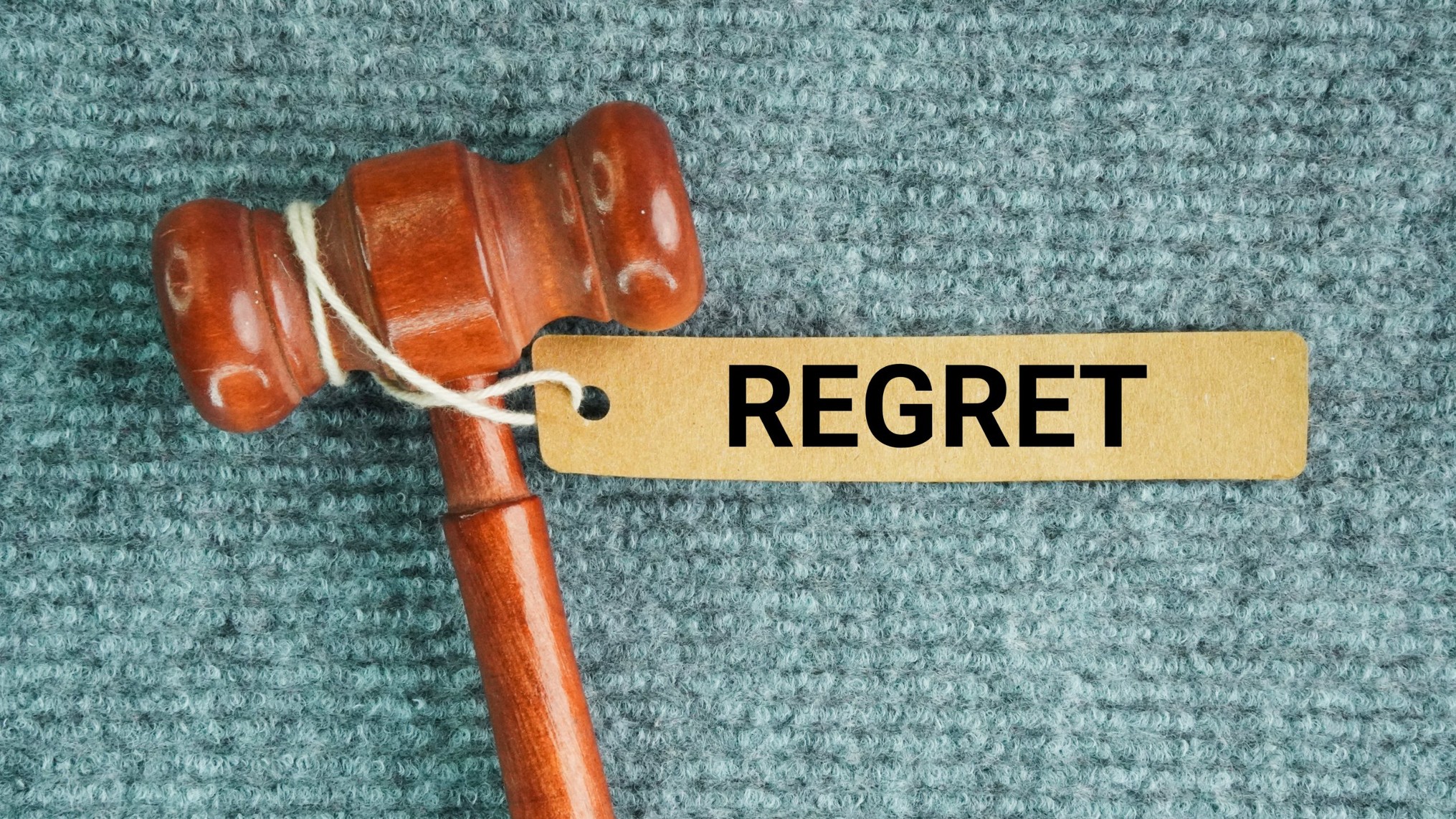
This is why delayed pain feels heavier than chosen pain. Chosen pain can be framed by purpose. Delayed pain is surrounded by regret. Chosen pain says, “We are confronting this because the standard matters.” Delayed pain says, “We waited too long, and now the damage has made the choice for us.” One builds credibility. The other consumes it.
The Courage to Choose the Harder Now
The leadership decision that shapes culture is rarely between pain and no pain. It is between pain now and pain later. Pain now is usually smaller, cleaner, and more honest. Pain later is larger, messier, and more expensive. Pain now requires courage. Pain later often requires crisis management.
Choosing pain now does not mean rushing into every conflict or dramatizing every problem. It means developing the judgment to know when avoidance has started pretending to be patience. It means recognizing the difference between giving something time to mature and giving dysfunction permission to spread. It means asking, “What will this cost us if we do not deal with it now?”
That question should sit at the center of leadership. Not because leaders should become anxious, reactive, or punitive, but because culture is shaped by the problems leaders are willing to face while they are still small enough to be handled with integrity. The best leaders are not those who avoid pain. They are those who spend it wisely.
Conclusion: Culture Is Built at the Point of Discomfort
In the end, culture is not defined by what a company claims to value when things are easy. It is defined by what leaders protect when protection costs them something. It is defined in the meeting where someone finally tells the truth. It is defined in the decision to hold a valuable person accountable. It is defined in the willingness to clarify what has been vague, repair what has been ignored, and stop calling avoidance compassion.
Pain now or pain later is not merely a leadership choice. It is a cultural philosophy. Organizations that choose pain now become stronger because they learn to metabolize reality. Organizations that choose pain later become fragile because they train themselves to survive on denial until denial becomes too expensive.
Every leader should ask the same uncomfortable question with regularity. Where are we borrowing comfort from the future? The answer will reveal more about the culture than any employee survey or values statement. Because the culture is already being shaped, not by what leaders intend, but by what they confront, what they postpone, and what they allow to become normal.